Why the Marshall JCM800 Is Still the King of Rock Tone
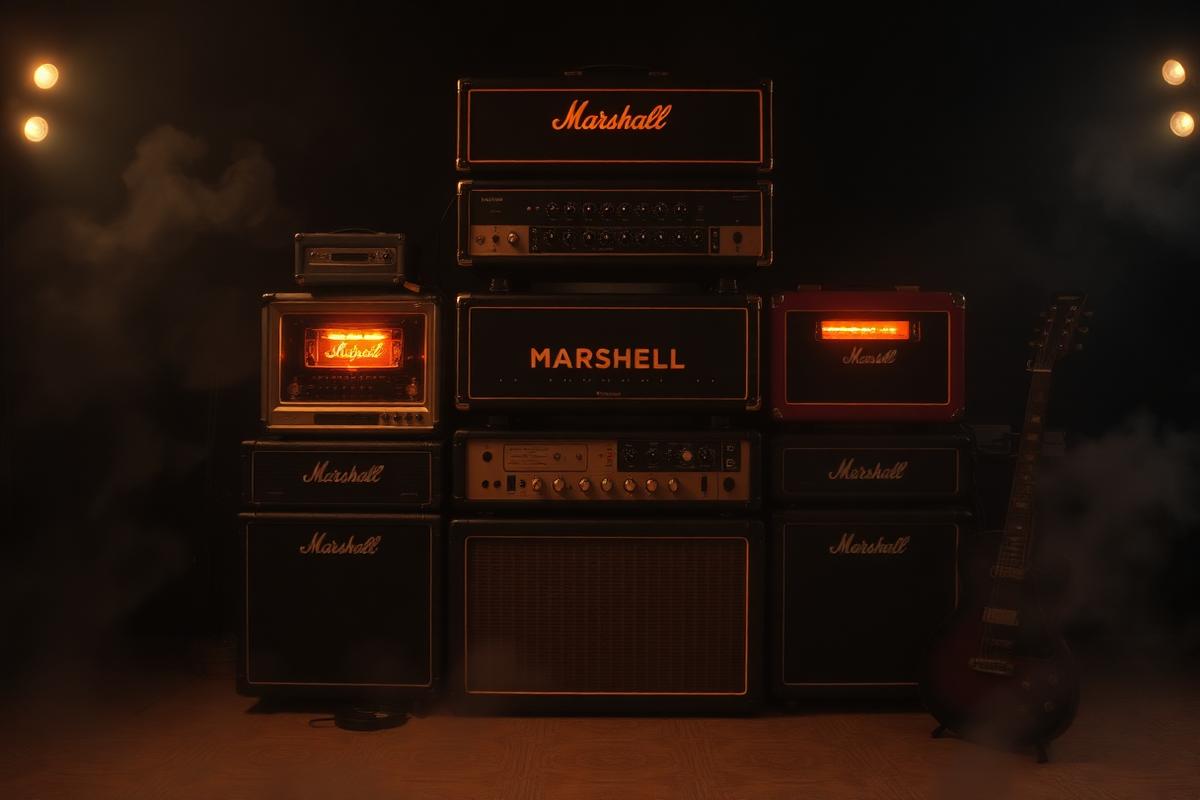
Four decades on, the 100-watt JCM800 2203 still defines hard rock bark. We A/B a clean 1984 head against the current 2203X to hear why nothing punches a mix like an 800.
The JCM800 2203 is the amplifier equivalent of a raised eyebrow and a clenched fist. One channel, three ECC83s up front, four EL34s out back, a master volume that actually means business, and that Marshall 33k/470p tone stack that puts guitars right in the fight. No channel switching, no diode clipping, no nonsense—just the cascaded preamp that codified hard rock gain. Plug in, set the preamp around 6, master at 3, presence 4, bass 3, mids 6, treble 5, and you’re instantly in the lane where pick attack rules the room.
Our 1984 2203 is a UK EL34 unit with the horizontal input PCB and a Dagnall output transformer, freshly serviced with F&T filter cans and biased to 36 mA per tube at roughly 450 V on the plates. The modern foil is the current 2203X reissue, likewise EL34-powered, with the factory series effects loop that can be hard-bypassed. Both are PCB builds—just like the originals were—so forget the handwired mythology; what matters here is iron, filtering, and that bright cap across the preamp volume pot. On our meters the ‘84 idles noisier but breathes a hair more, while the reissue is tighter, a touch louder, and marginally more polite up top.
Gain structure is where the legend lives. The 2203’s cascaded stages are voiced to be urgent rather than syrupy, with the second stage biased cold enough to spit when you dig in. There’s no diode grit here—the crunch is tube, transformer, and negative feedback working together. The bright cap on the preamp pot, around 470 pF on these two, makes low preamp settings snappy; roll past 5 and the balance swings from sharp to chewy as the power section starts leaning in. It’s why an SD-1 or Tube Screamer in front, Level up, Drive near zero, lands you in album territory without losing the amp’s spine.
Through a late-’80s Marshall 1960A with G12T‑75s, the 1984 head hits with that familiar chainsaw edge but carries a woody mid grind that feels three-dimensional in the room. The reissue, same cab, clamps the low end a bit harder and keeps palm mutes tidier, trading a sliver of hair for mix-ready precision. Swap to a quad of Greenbacks and the old amp blooms into a ragged roar while the 2203X still sounds a shade more controlled. With Vintage 30s the reissue’s forward mids make single-note lines leap, and the ‘84’s upper-mid rasp turns from snarl to scream in a very good way.
Want This Tone?
Tell ToneMD what guitar and gear you own and we’ll show you how to get as close as possible using the equipment you already have — full signal chain, real numbered settings, no guesswork.
Included with The Guitar Plugged Premium
Pick response is immediate on both, but not identical. The ‘84 sags a touch on big chords—more give on the first transient, more chew under the fingers—likely the combination of transformer voicing and slightly looser power supply feel post-recap. The 2203X hits like a staplegun: faster, a decibel or two punchier, with a little more glass on the very top that can be reined in with presence around 3. Either way, ride your guitar volume from 10 to 6 and you get cleans with attitude rather than hi‑fi sparkle, which is exactly the point of a JCM800.
X Concepts Strings • Made in USA
Never Run Out of Strings Again.
Join the X Concepts String Club and get fresh USA-made strings delivered every month—plus Premium membership options for the full Guitar Plugged experience.
Pedal etiquette remains textbook. A Boss SD‑1 or TS‑type pushes the front end to classic 800 tightness, shaving sub-bass and sharpening upper mids without smothering dynamics. Fuzzes that hate buffers will behave if you jump to the Low input, but the High input is where the magic lives for humbuckers and hot single-coils. The loop on the 2203X is handy for time-based effects and can be bypassed to keep it purist; the ‘84 has no loop, which is historically correct and part of its charm. Either will take a reactive load like a Two Notes Captor X gracefully if you’re trying to tame 100 watts in a small room.
The mid punch that engineers and guitarists keep chasing is baked into the Marshall tone stack and the output transformer’s temperament. The 33k slope resistor and ~470 pF treble cap shift the action so that the Mid control actually rules the whole stack—set it too low and the amp goes hollow, push it past noon and the guitar parks itself in front of the kit without getting harsh. Presence rides the negative feedback loop, so small moves are big news; 3–4 is usually the sweet spot for bite without hiss. This is mix science, not nostalgia, and it’s why a JCM800 still makes modern plug‑ins sound like approximations.
If you’re hunting heroes, you’ve heard this circuit earn its keep. Think Kerry King’s sledgehammer rhythm focus, Zakk Wylde’s pick attack like a buzzsaw, Billy Duffy’s cathedral clang, or Gary Moore’s angry violin—different hands, same backbone. Those tones don’t happen because the amp is saturated to sludge; they happen because the 2203 shouts in the mids and keeps the low end lean enough to leave space for bass guitar and kick. That’s staying power you can measure on a spectrum analyzer and feel in a rehearsal space.
Where the ‘84 edges the reissue is character—the little harmonic gremlins that ride the top of chords and the sense that the amp is breathing with you. Some of that is aging transformers and carbon film resistor drift, some is just the luck of parts tolerances. The reissue fires back with consistency and practicality: it’s quieter, its loop is actually useful, and it’s far less likely to nuke a rehearsal when a 40‑year‑old filter can finally gives up. On a blindfold test in a dense mix, the difference narrows to taste rather than truth.
Practicalities? A healthy vintage 2203 will set you back around the same as the reissue these days, sometimes more if it’s an early vertical‑input example or still running original Drake iron. Budget for fresh power tubes and a proper bias, and don’t be precious about a cap job—that’s maintenance, not sacrilege. The 2203X lists around the low‑$3k mark, is ready to tour out of the box, and carries a warranty. Pair either with the right cab and a cheap yellow overdrive and you’re holding the keys to hard rock.
The verdict hasn’t changed since 1981. The Marshall JCM800 2203 endures because it’s brutally simple, perversely honest, and engineered to make a guitar sit where guitars win. The 1984 has the vibe, the reissue has the muscle, and both have the midrange authority that still defines a band’s left channel. In a world of feature creep, this single‑channel sledge is still the king because it answers the only question that matters when the red light turns on: does it sound like a record? Yes. Immediately.
- Marshall Studio Classic SC20H$1,699·Check on Amazon →
- Marshall 1960A 4x12 Cabinet$1,099·Check on Amazon →
- Boss SD-1 Super OverDrive$62.99·Check on Amazon →
- Two Notes Torpedo Captor X$549·Check on Amazon →
Some links are affiliate links — we may earn a small commission at no cost to you.
Experience-driven coverage, not algorithm bait.
- 20+ years of guitar playing experience
- Real-world retail experience at Guitar Center
- Thousands of hours testing guitars, amps, and pedals
- A community of 50,000+ guitar enthusiasts across platforms
- Partnerships with Fender, DistroKid, TrueFire, Card Chords, and Enya
- Editorial standards published openly — see how we test gear
The Modern Guitar Magazine. Delivered to your inbox.
No spam. No gimmicks. Just great guitar content — stories, tones, iconic solos, and honest gear takes. Every week.
Ask GP
3 free questions a dayStill curious? Ask GP about this story.
Your personal classic-rock and guitar guide — ask anything about Why the Marshall JCM800 Is.
Discussion (0)
Sign in to join the discussion.
Sign in to commentLoading comments…
Discover another guitar story
Swipe through our latest features, breaking news and iconic solos — one story at a time.
Open Swipe →More in Signature Gear
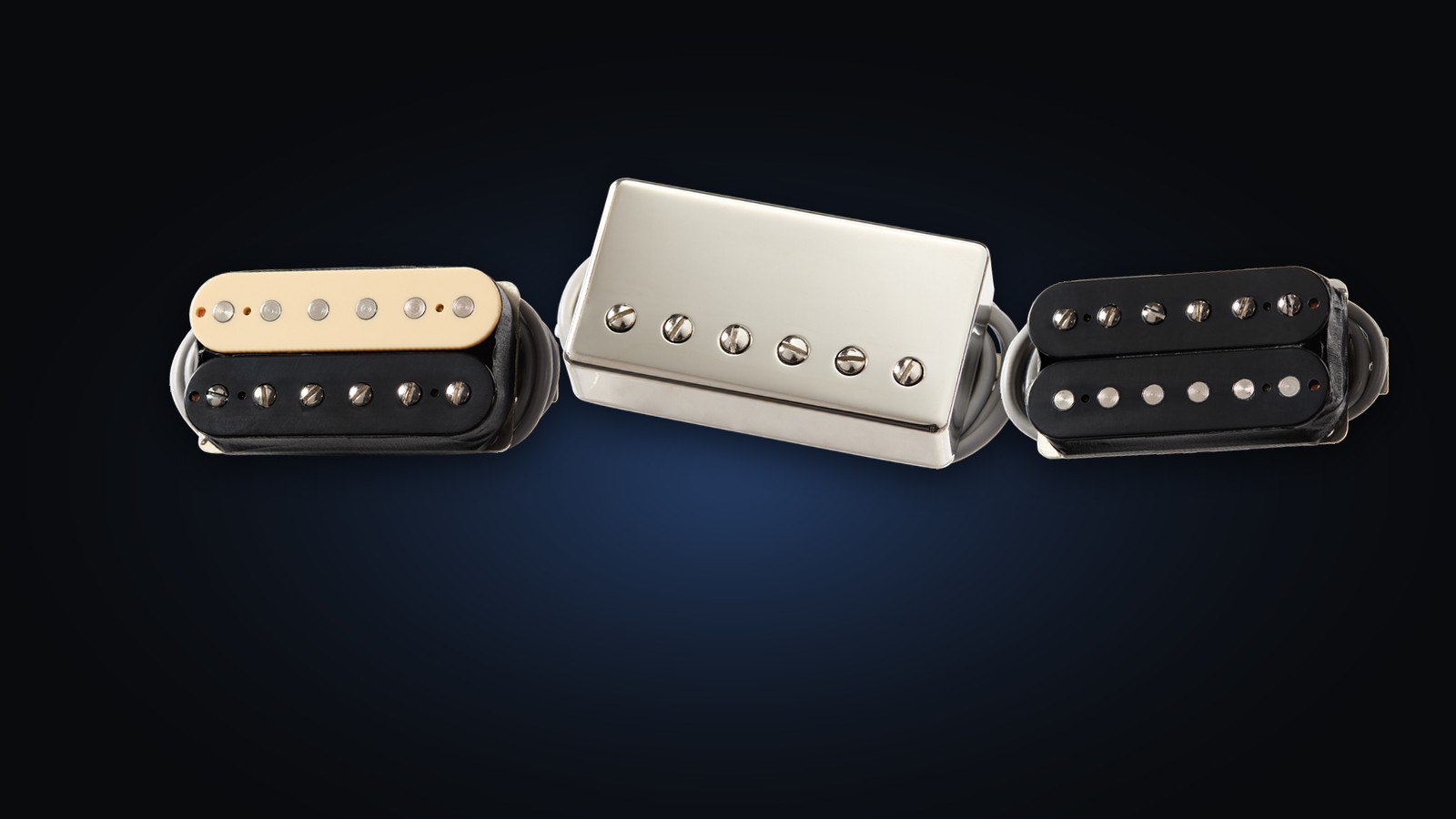
Gibson Breaks a 70-Year Habit: The ELEV8 Is Its First Alnico 8 Humbucker
For seventy years Gibson humbuckers have run on Alnico 2, 3, 4 and 5. The new ELEV8 series finally reaches for Alnico 8 — and it is aimed squarely at high-gain players.
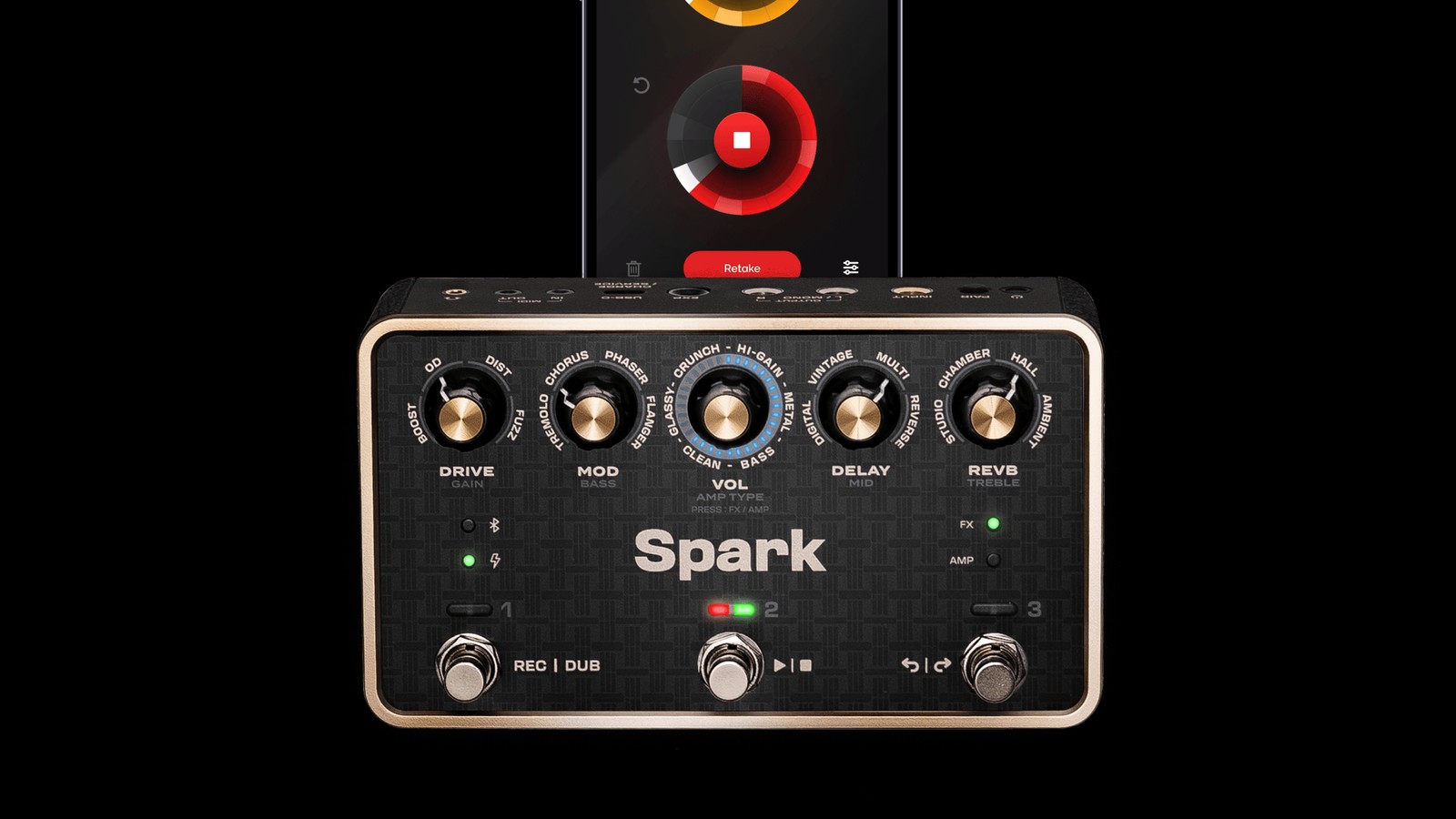
Positive Grid Spark PEDAL Puts a Full Guitar Rig at Your Feet for $199
Positive Grid has taken the Spark idea off the desk and put it on the floor: 33 amps, 43 effects, a 60-second looper, direct outs, USB-C recording and a seven-hour battery in a pedal that costs $199.
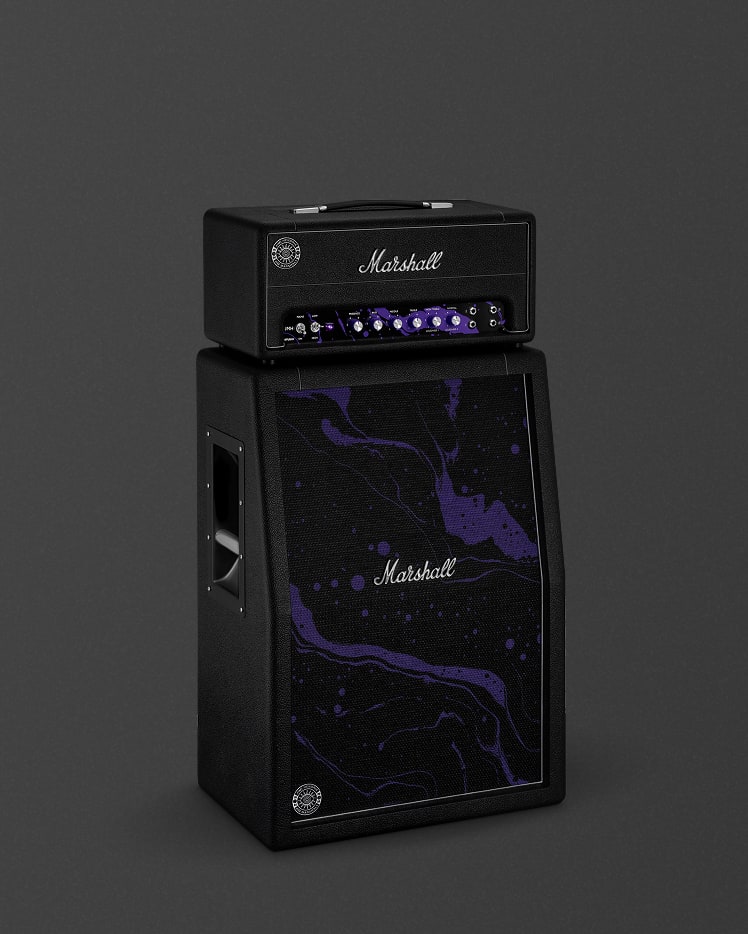
Marshall Brings Hendrix's Plexi Era Down to Earth With New 20-Watt JMH Studio Edition
Marshall's latest Hendrix anniversary release turns a 1969-inspired Super Lead into a UK-built, hand-wired 20-watt half-stack — complete with the cosmic purple visual treatment.