The 10 Best Overdrive Pedals That Actually Sound Like Money
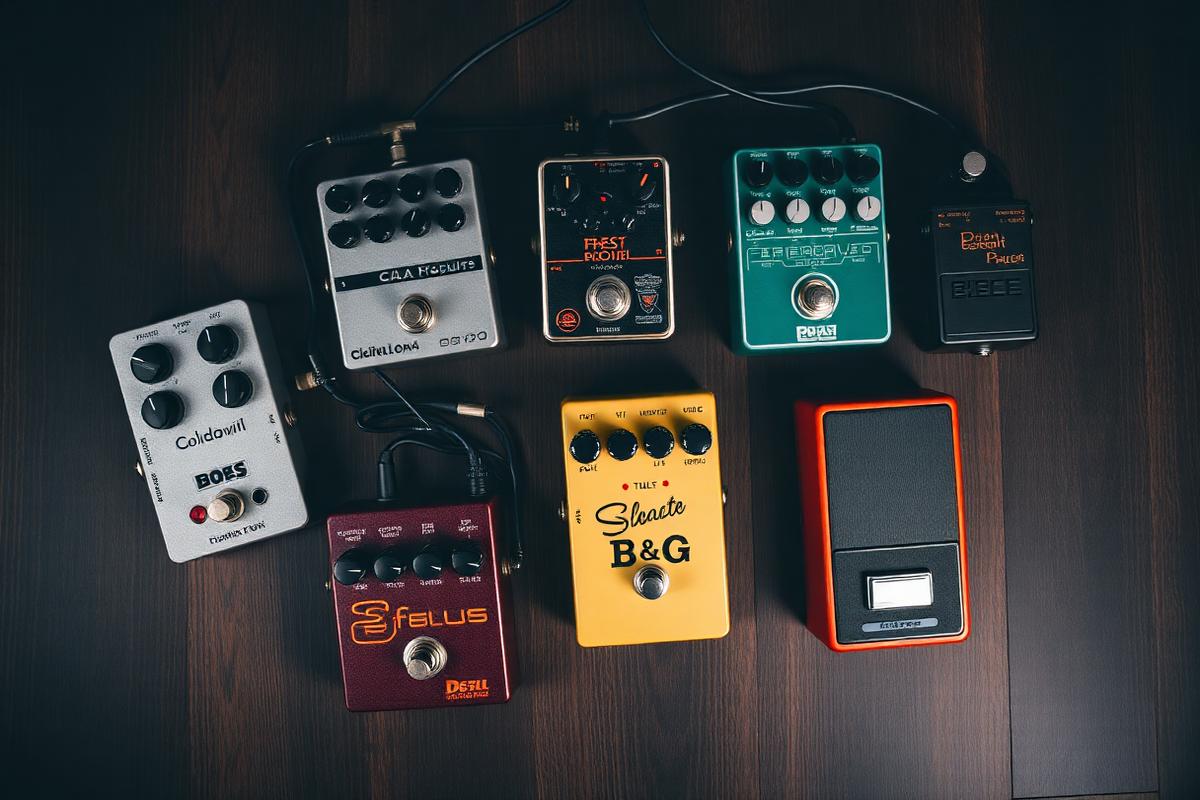
From transparent touch tools to iconic mid-humps and Klon chime, these 10 overdrives under $300 in 2026 punch above their weight with pro tones, tough builds, and real-world value.
Overdrive is the great equalizer of pedalboards: the one box that can turn a decent rig into a record-ready voice. In 2026 you don’t need boutique prices to get boutique results, and the sweet spot for that is firmly under $300. We chased four families—transparent drives, Tube Screamer flavors, Klon-style, and the modern boutique all-rounders—and found standouts that actually sound like money. The common thread: musical clipping, usable EQ, and builds you can kick on a dark stage without a second thought.
If you live on the edge-of-breakup and pick dynamics matter, the JHS Morning Glory V4 ($199) is the straightest line from fingers to speakers. It’s genuinely transparent in the sense that your amp stays your amp, just a touch hairier and wider; the Bright Cut and Gain toggle make it easy to tailor sparkle and saturation for single-coils or humbuckers. It stacks like a champ in front of nearly anything, adding articulation rather than mush. Quiet switching, a small footprint, and tank-tough hardware make it a no-brainer baseline drive for clean and crunchy amps alike.
Greer’s Lightspeed ($199) is another gold-standard “leave-on” drive, but it brings a subtly sweeter midrange and polished top that flatters blackface-style amps. With just Loudness, Drive, and Frequency, it’s impossible to dial a bad sound, and the low noise floor encourages running it as a foundation. There’s an elasticity under the fingers that feels amp-like—hit it hard and it barks; roll back and it shimmers. If your board needs one always-on tone shaper that never gets in the way, this is it.
MXR’s Timmy ($149) earns a permanent slot for anyone who treats EQ as part of the performance. True to Paul Cochrane’s circuit philosophy, the Bass and Treble controls are cut-only and placed after the gain stage, so you trim flub or fizz without choking the feel. The three-way clipping toggle gives you polite grit, open crunch, or a firmer bite, which makes it ideal for stacking into other drives or a cooking amp. It’s compact, affordable, and brutally honest—in a good way.
Want This Tone?
Tell ToneMD what guitar and gear you own and we’ll show you how to get as close as possible using the equipment you already have — full signal chain, real numbered settings, no guesswork.
Included with The Guitar Plugged Premium
On the Boss side, the BD-2W Waza Craft Blues Driver ($159) proves why this blue box is on so many fly dates. Standard mode is that familiar glassy grind; Custom mode adds a touch more low end, headroom, and harmonic bloom that makes it feel bigger under the fingers. Waza’s buffered bypass and stage-proof enclosure mean you can hammer it night after night without babysitting patch cables. Run it at the front of a board as a light drive, or goose it with a boost for seriously chewy lead tones.
The Tube Screamer is a language every guitarist should speak, and the Ibanez TS808 reissue ($179) is still the textbook. Expect the classic mid-hump, gentle bass trim, and soft clipping that tightens a Fender on stage and makes a Marshall sit in a mix. It excels at pushing amps that already have a voice, and it remains a surgical tool for taming flubby neck humbuckers. If you want that sound without guesswork, the 808 gives it to you with zero drama and maximum reliability.
X Concepts Strings • Made in USA
Never Run Out of Strings Again.
Join the X Concepts String Club and get fresh USA-made strings delivered every month—plus Premium membership options for the full Guitar Plugged experience.
If you want Screamer DNA with a broader vocabulary, the JHS Bonsai ($249) is stupidly useful. Nine distinct eras and variants—from 808 and 9 to exotic mods—live on a single rotary, so you can pick the exact compression, bass response, and mid contour your rig needs. The differences aren’t marketing fluff; swap modes and you’ll immediately hear how a neck PAF tightens or a Tele’s bridge gets fatter. It’s the most practical way to audition a decade of Screamers without owning a dozen green boxes.
Klon-style drives are about more than hype—they’re about mix authority at sensible volume—and the Wampler Tumnus Deluxe ($239) nails the brief. It goes from glassy, buffered clean boost to rich, mid-complex overdrive, and its active Bass/Mids/Treble EQ makes it far more adaptable than a two-knob clone. Use it early as an enhancer or after another pedal as a tone lens; either way, the feel is immediate and expensive. Build is solid, noise is low, and it earns its keep whether you’re on in-ears or a loud backline.
For a punchier, slightly leaner Klon flavor, the Mythos Mjolnir ($199) brings a focused mid presence that slices without the nasal honk. Level on tap is enormous, and the Tone control’s range is broad enough to brighten dark amps without getting spiky. Run it as a clean boost into a cranked combo and you’ll understand why engineers love this circuit—it keeps transients intact and leaves room for vocals. It’s simple, rugged, and worth every dollar if you crave three-dimensional chime.
Harder clipping has a seat at the table, and the Fulltone OCD V2 ($169) is the rock side of this list. The HP/LP toggle genuinely alters the voice: LP for open, edge-of-breakup textures and HP for tight, aggressive crunch that stays articulate on the wound strings. Run it at 18V for extra headroom and firmer lows, and take advantage of V2’s refined bypass options for quieter boards. It’s a lifer pedal if you do alt-rock, modern country, or anything that needs snarl without fizz.
Finally, the Nobels ODR-1 BC ($119) is the Nashville secret sauce that became a studio staple for a reason. It’s more full-range than a Screamer, with a low end that feels like a big amp rather than a blanket, and the Bass Cut switch lets you tighten things for drop tunings or humbuckers. The single Spectrum control is brilliantly voiced—clockwise adds gain and upper mids together—so you can land a mix-ready rhythm tone in seconds. It’s built to be kicked, cheap enough to buy twice, and shockingly classy through a clean amp.
Value across these ten is obscene. Every pedal here runs on standard 9V power, plays well with others, and handles live volume without turning your pick attack into mush. Transparent types like the Morning Glory, Lightspeed, and Timmy are best as always-on foundations or first in a stack; Screamer and Klon flavors excel at focusing an amp and lifting solos. Mix and match two and you’ve got a professional gain structure for less than the price of a single boutique unicorn, with tones that won’t embarrass you under a microscope.
- JHS Morning Glory V4$199·Check on Amazon →
- Wampler Tumnus Deluxe$239·Check on Amazon →
- Fulltone OCD V2$169·Check on Amazon →
Some links are affiliate links — we may earn a small commission at no cost to you.
Experience-driven coverage, not algorithm bait.
- 20+ years of guitar playing experience
- Real-world retail experience at Guitar Center
- Thousands of hours testing guitars, amps, and pedals
- A community of 50,000+ guitar enthusiasts across platforms
- Partnerships with Fender, DistroKid, TrueFire, Card Chords, and Enya
- Editorial standards published openly — see how we test gear
The Modern Guitar Magazine. Delivered to your inbox.
No spam. No gimmicks. Just great guitar content — stories, tones, iconic solos, and honest gear takes. Every week.
Ask GP
3 free questions a dayStill curious? Ask GP about this story.
Your personal classic-rock and guitar guide — ask anything about The 10 Best Overdrive Pedals.
Discussion (0)
Sign in to join the discussion.
Sign in to commentLoading comments…
Discover another guitar story
Swipe through our latest features, breaking news and iconic solos — one story at a time.
Open Swipe →More in Best Of Lists

Top 15 Guitar Intros You Know in One Second
Some songs need a chorus to announce themselves. These barely need the guitarist to get started — 15 intros ranked on recognition, personality, and pure gut reaction.

20 Songs That Made an Entire Generation Want to Play Guitar
Every guitarist has one: the song that made a guitar feel less like an object and more like a doorway. These 20 didn't just become classics — they created players.
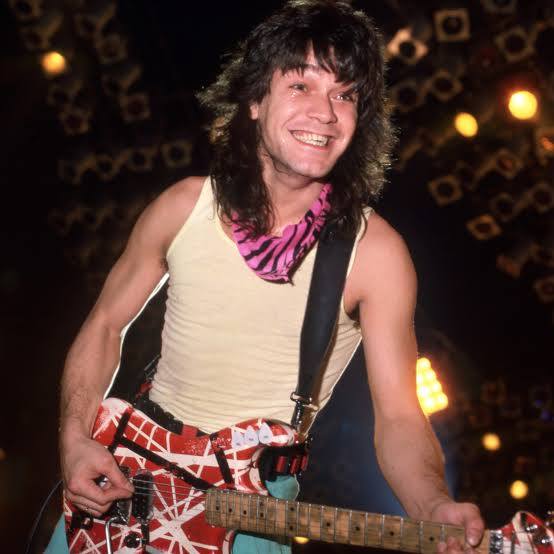
Top 20 Guitarists Defined by One Solo
One unforgettable guitar moment can turn a great player into a permanent part of rock history. These are the 20 guitarists most defined by a single solo.