
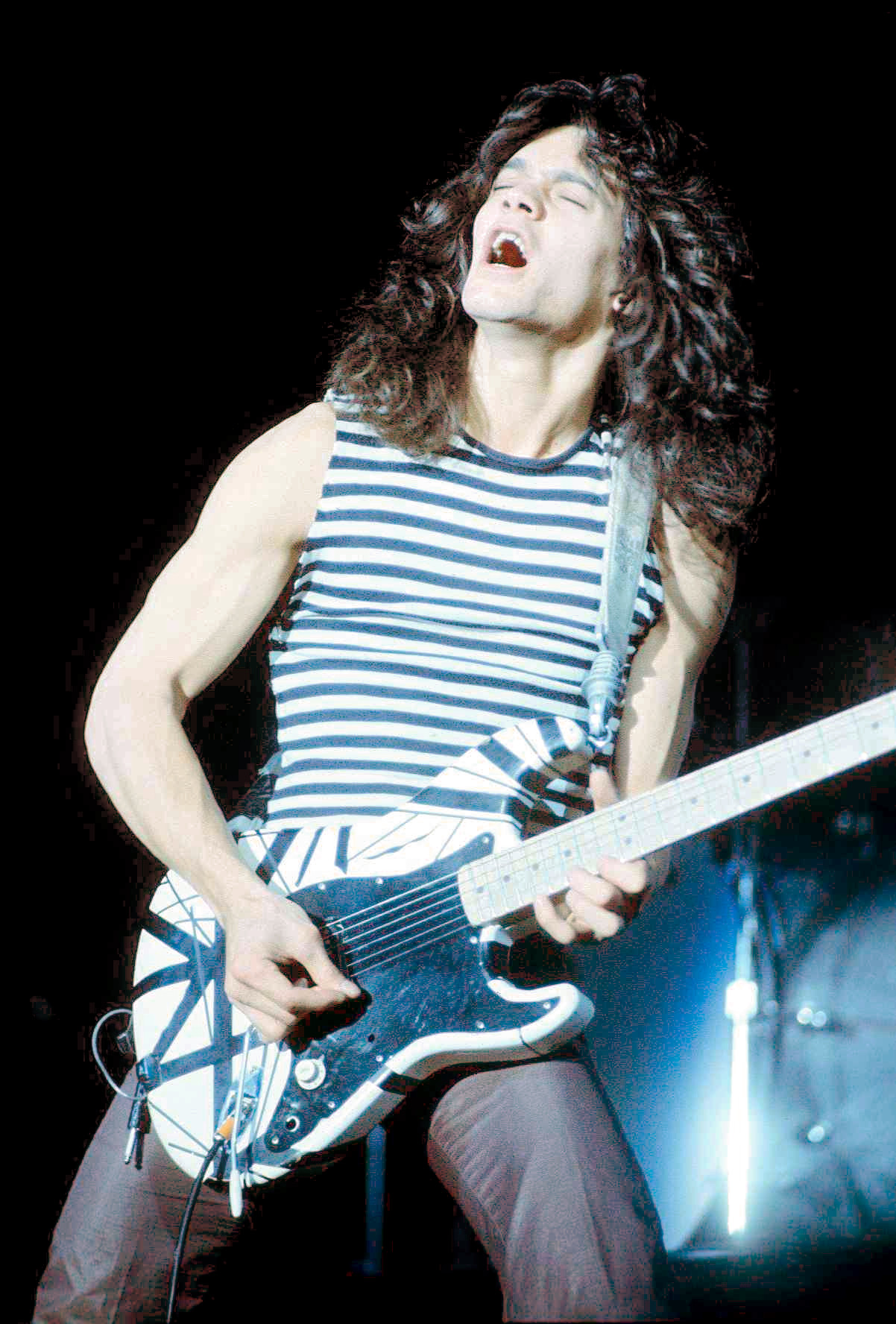
Eddie Van Halen, the Brown Sound, and the Day Guitar Changed Forever
Before Eddie Van Halen, electric guitar had rules. After him, it had a new vocabulary—a warm, snarling tone that breathed like a living thing, and a two-handed technique that turned the fretboard into a piano. This is the story of the Brown Sound and the moment guitar split into a before and after.
▶ LISTEN WHILE READING
Every once in a while, an artist comes along and quietly resets the rules of an entire instrument. Eddie Van Halen didn’t do it quietly.
When Van Halen’s self-titled debut hit shelves in 1978, guitar players everywhere had the same reaction: rewind, listen again, and try to figure out what they had just heard. By the time “Eruption” ended, the instrument they thought they knew was gone.
What replaced it was something warmer, wilder, and impossibly more expressive. They called it the Brown Sound—and it changed guitar forever.
A Tone That Sounded Alive
Before Eddie, hard rock guitar tone was either bright and biting or thick and muddy. Eddie chased something different. He wanted a sound that breathed—one that felt big and warm and slightly out of control, like it might break the amp at any moment.
He found it by mangling vintage Marshall heads, experimenting with variacs to lower the voltage, swapping speakers, and obsessing over how a note actually felt under his fingers. The result wasn’t just a tone. It was a personality.
The Brown Sound felt like it might break the amp at any moment—and that fragility is what made every note matter.
The Frankenstrat: A Guitar Built Out of Frustration
Want Eddie Van Halen's Brown Sound?
Tell ToneMD what guitar and gear you own and we’ll show you how to get as close as possible using the equipment you already have — full signal chain, real numbered settings, no guesswork.
Included with The Guitar Plugged Premium
Eddie didn’t just hate the sound of stock guitars—he hated their feel. So he built his own. A junkyard mash-up of a Stratocaster body, a Gibson humbucker, and a single volume knob, slapped together with bicycle reflectors and stripes of tape.
It looked like a kid’s art project. It played like a missile. The Frankenstrat became the prototype for the modern superstrat—a guitar designed for speed, sustain, and abuse—and it kicked off an entire industry.
Eruption: Two Minutes That Rewrote Everything
There’s recorded music before “Eruption” and recorded music after it. The track is barely over a minute and a half long, but it hit guitar culture like a meteor.

X Concepts Strings • Made in USA
Never Run Out of Strings Again.
Join the X Concepts String Club and get fresh USA-made strings delivered every month—plus Premium membership options for the full Guitar Plugged experience.
Two-handed tapping wasn’t Eddie’s invention—but the way he used it was. He turned a parlor trick into a complete musical language, blending classical phrasing, blues feel, and a circus-act sense of showmanship into something nobody had heard before.
Overnight, every guitar player in the world had homework.
“The guitar didn’t evolve around Eddie—it evolved because of him.”
Why the Brown Sound Still Matters
Forty-plus years later, players are still chasing it. Boutique amp builders have made entire careers trying to bottle the Brown Sound. Pedal companies have launched product lines around it. Modeling units treat it like a holy grail preset.
And yet, no one has fully captured it. Because the Brown Sound was never just gear. It was Eddie’s touch—his attack, his vibrato, his impossible right hand. The amp was just the room he played in.
A Generational Reset Button
It’s hard to overstate how much Eddie shifted the center of gravity in rock guitar. Suddenly, players weren’t trying to sound like Hendrix or Page anymore—they were trying to sound like Eddie. Shred was born. Hair metal exploded. Even players who pushed back against the trend were defining themselves in opposition to it.
The guitar didn’t evolve around Eddie—it evolved because of him.
What He Really Gave Us
Strip away the tapping, the dive bombs, and the smile, and what’s left is the thing that mattered most: joy. Eddie played like a guy who couldn’t believe he was getting away with it. Every solo sounds like a kid showing off the coolest thing he just figured out.
That feeling—pure, unfiltered, electric joy—is what made him untouchable. It’s also what made the Brown Sound feel like more than a tone. It felt like a personality you could hear.
Final Thought
Plenty of guitar players have been faster since 1978. Plenty have been more technical. None have moved the instrument the way Eddie did.
He didn’t just play guitar. He gave it a new voice. And every player who has plugged in since—whether they know it or not—is playing in the world Eddie built.
- EVH Striped Series Frankenstein Electric Guitar Red White Black$1,499·Check on Amazon →
- MXR EVH Phase 90 Pedal$149·Check on Amazon →
- EVH Wolfgang Special Electric Guitar$1,599·Check on Amazon →
Some links are affiliate links — we may earn a small commission at no cost to you.
Experience-driven coverage, not algorithm bait.
- 20+ years of guitar playing experience
- Real-world retail experience at Guitar Center
- Thousands of hours testing guitars, amps, and pedals
- A community of 50,000+ guitar enthusiasts across platforms
- Partnerships with Fender, DistroKid, TrueFire, Card Chords, and Enya
- Editorial standards published openly — see how we test gear
The Modern Guitar Magazine. Delivered to your inbox.
No spam. No gimmicks. Just great guitar content — stories, tones, iconic solos, and honest gear takes. Every week.
Ask GP
3 free questions a dayStill curious? Ask GP about this story.
Your personal classic-rock and guitar guide — ask anything about Eddie Van Halen, the Brown.
Discussion (0)
Sign in to join the discussion.
Sign in to commentLoading comments…
Discover another guitar story
Swipe through our latest features, breaking news and iconic solos — one story at a time.
Open Swipe →More in Guitar Talk

Happy Birthday, Joe Perry: The Riff Machine Who Gave Aerosmith Its Swagger
Joe Perry turns 76 today. From the swampy grind of “Sweet Emotion” to the reunion that saved a band, this is the career of the guitarist who taught American hard rock how to strut.

History of the Riff: How Joe Satriani Made “Flying in a Blue Dream” Feel Weightless
An acoustic guitar in an unusual tuning, a stray broadcast and a melody that seems to hang in the air: inside the construction of Satriani’s 1989 masterpiece.
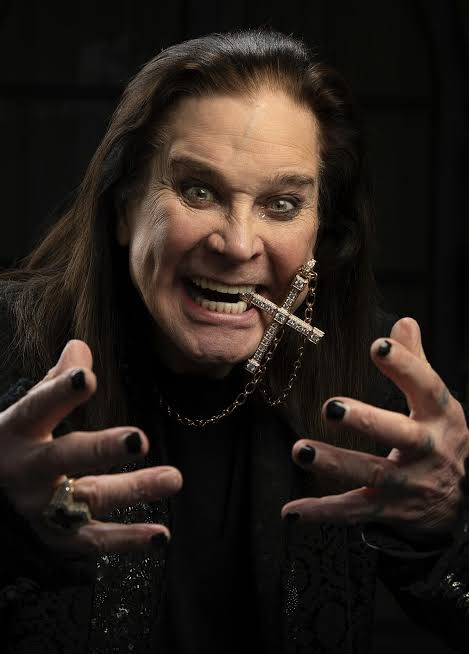
Tony Iommi Opens Up About His Final Conversation With Ozzy Osbourne: “I Still Can't Get It in My Head”
The Black Sabbath guitarist says Ozzy was exhausted after the band's emotional farewell — but determined to give fans one final show.