

The Perfect Rock Formula: Why Malcolm and Angus Young Are Pure Genius
Some of the most powerful music in rock history wasn’t built on speed or complexity—it was built on discipline, chemistry, and knowing exactly what not to play. That’s the genius of Malcolm and Angus Young.
▶ LISTEN WHILE READING
When people debate the greatest guitar players of all time, the conversation usually gets stuck on speed, technique, or complexity.
But some of the most powerful music in rock history wasn’t built on any of that. It was built on discipline, chemistry, and knowing exactly what not to play.
That’s what makes Malcolm Young and Angus Young so special. Together in AC/DC, they didn’t just make songs—they built one of the most efficient rock machines ever created.
Two Brothers, One Unstoppable System
Most bands treat guitars like layers—rhythm underneath, lead on top. AC/DC didn’t work that way.
Malcolm Young wasn’t “backup rhythm.” He was the engine. Angus Young wasn’t just “lead guitar.” He was the spark.
Every AC/DC song works because these two roles never fight each other. They lock in. No clutter. No ego. No wasted space. Just forward motion.
Malcolm Young: The Architect of Groove
Malcolm Young’s genius was never about flashy playing. It was about control.
His rhythm guitar style was tight and percussive, perfectly locked into the drums, and stripped down to only what the song needed. What sounds simple is actually precision at a very high level.
He didn’t decorate the music—he defined it. Most bands rely on rhythm guitar. AC/DC is built on it.
Angus Young: Controlled Chaos in Motion
Get Angus & Malcolm Young’s “Back in Black” Tone
Tell ToneMD what guitar and gear you own and we’ll show you how to get as close as possible using the equipment you already have — full signal chain, real numbered settings, no guesswork.
Included with The Guitar Plugged Premium
If Malcolm was structure, Angus was pure electricity. His playing feels wild, unpredictable, and explosive—but it never loses direction.
Angus turns every solo into a performance. It’s not just notes—it’s movement, attitude, and emotion happening in real time. He makes simplicity feel massive.
And his energy isn’t random—it’s controlled chaos shaped by timing and instinct. That’s why it works.
Why the Dual Guitar System Is Genius
AC/DC succeeds where many bands fail because the guitar roles are crystal clear. Malcolm holds rhythm, groove, and foundation. Angus delivers lead, emotion, and release.
X Concepts Strings • Made in USA
Never Run Out of Strings Again.
Join the X Concepts String Club and get fresh USA-made strings delivered every month—plus Premium membership options for the full Guitar Plugged experience.
They don’t compete. They complete each other. This creates a sound that feels bigger than it actually is—like a wall of sound that never breaks or shifts. It just keeps pushing forward.
The Real Genius Is Discipline
“Malcolm provided the foundation that never breaks. Angus delivered the energy that never stops.”
What makes the Young brothers so underrated is how little they change what works. While other bands evolve constantly, AC/DC refined one formula and executed it perfectly for decades.
That kind of consistency takes more discipline than reinvention. There’s no filler. No overthinking. No unnecessary complexity. Just pure rock energy delivered exactly the same way every time.
Why They’re Still Misunderstood
In modern guitar culture, “genius” usually gets assigned to shredders, technical innovators, and experimental players.
But Malcolm and Angus prove a different kind of genius exists. One that’s built on restraint, clarity, repetition done perfectly, and absolute musical identity.
They didn’t need to do more. They just did what mattered—better than almost anyone else ever has.
The Gear Is Part of the Formula
The Young brothers’ sound is one of the least complicated in rock, and that is deliberate. Malcolm played a heavily modified 1963 Gretsch Jet Firebird nicknamed “The Beast” — stripped to a single bridge pickup, no neck pickup, no tone control, straight into the amp. Angus has played Gibson SGs almost exclusively since the seventies. Between them: no pedals to speak of, no delay, no chorus, no rack.
The amps are equally plain. Cranked Marshall heads, set clean enough that the distortion comes from the power section and the pick attack rather than a preamp. That is why AC/DC records sound loud even at low volume: there is very little compression flattening the transients, so every strum keeps its front edge.
Guitarists who try to copy the tone usually make the same mistake — too much gain. Roll it back until chords sound almost clean, then hit the strings harder. The grit should come from your right hand.
The Right Hand Is the Whole Trick
Malcolm’s parts look absurdly simple written out: open A, D, G chords, a few suspensions, nothing above the fifth fret. Try playing along to 'Back in Black' and the illusion collapses immediately. His strumming is a rhythmic pattern with deliberate silences, and those silences have to be genuinely silent — muted with the palm and the fretting hand at exactly the right moment.
That control is what creates the space Angus and the rhythm section fill. Most players fill the gaps unconsciously; Malcolm spent forty years refusing to. Practise the intro to 'Highway to Hell' with a metronome and count the rests rather than the strums. It reveals how much of the groove lives in what isn’t played.
Angus works the same way in the leads. His solos are largely blues pentatonic vocabulary, but they are phrased in short, punched bursts that answer the vocal rather than running over the top of the arrangement. The vibrato is fast and aggressive, the bends are slightly overcooked on purpose, and the whole thing stays inside the song’s rhythmic pocket.
Final Thought
Malcolm and Angus Young didn’t just write guitar parts. They built a system.
Malcolm provided the foundation that never breaks. Angus delivered the energy that never stops. Together, they created one of the most powerful and efficient sounds in rock history.
And that’s why they aren’t just great guitarists. They’re a perfect rock formula.
- Gibson SG Standard Electric Guitar Heritage Cherry$1,799·Check on Amazon →
- Marshall JCM800 2203X Reissue Head$3,199·Check on Amazon →
- Epiphone SG Standard '61 Electric Guitar$549·Check on Amazon →
Some links are affiliate links — we may earn a small commission at no cost to you.
Experience-driven coverage, not algorithm bait.
- 20+ years of guitar playing experience
- Real-world retail experience at Guitar Center
- Thousands of hours testing guitars, amps, and pedals
- A community of 50,000+ guitar enthusiasts across platforms
- Partnerships with Fender, DistroKid, TrueFire, Card Chords, and Enya
- Editorial standards published openly — see how we test gear
The Modern Guitar Magazine. Delivered to your inbox.
No spam. No gimmicks. Just great guitar content — stories, tones, iconic solos, and honest gear takes. Every week.
Ask GP
3 free questions a dayStill curious? Ask GP about this story.
Your personal classic-rock and guitar guide — ask anything about The Perfect Rock Formula.
Discussion (0)
Sign in to join the discussion.
Sign in to commentLoading comments…
Discover another guitar story
Swipe through our latest features, breaking news and iconic solos — one story at a time.
Open Swipe →More in Guitar Talk

Happy Birthday, Joe Perry: The Riff Machine Who Gave Aerosmith Its Swagger
Joe Perry turns 76 today. From the swampy grind of “Sweet Emotion” to the reunion that saved a band, this is the career of the guitarist who taught American hard rock how to strut.
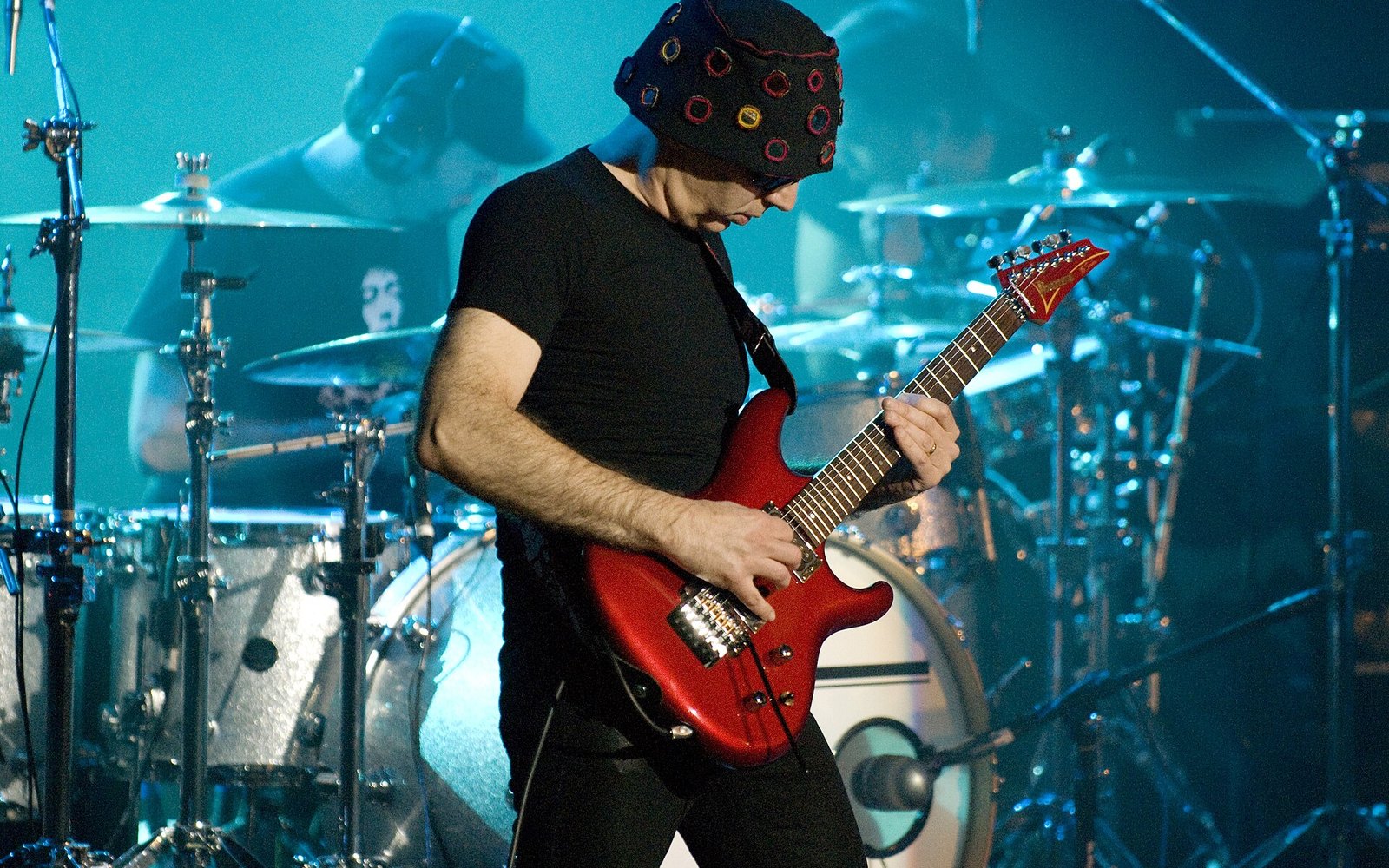
History of the Riff: How Joe Satriani Made “Flying in a Blue Dream” Feel Weightless
An acoustic guitar in an unusual tuning, a stray broadcast and a melody that seems to hang in the air: inside the construction of Satriani’s 1989 masterpiece.
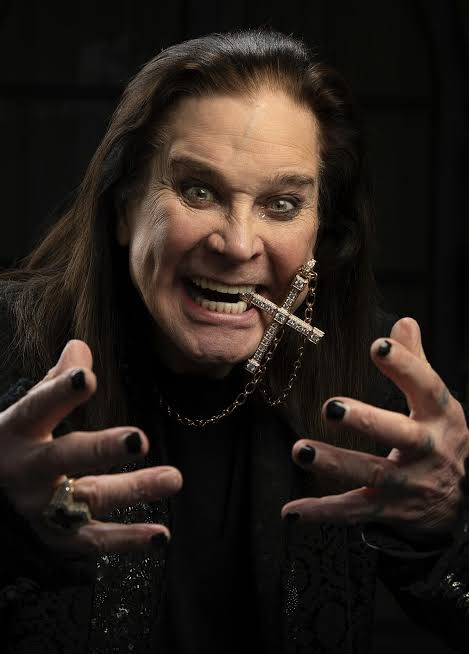
Tony Iommi Opens Up About His Final Conversation With Ozzy Osbourne: “I Still Can't Get It in My Head”
The Black Sabbath guitarist says Ozzy was exhausted after the band's emotional farewell — but determined to give fans one final show.