

Why John Mayer Is Actually a Better Guitarist Than You Think
There's a strange thing that happens when a guitarist becomes too popular: people start assuming they must be overrated. Few players trigger that reaction more than John Mayer—and almost none of it holds up once you actually listen.
▶ LISTEN WHILE READING
There’s a strange thing that happens when a guitarist becomes too popular: people start assuming they must be overrated. And few players trigger that reaction more than John Mayer.
He’s known for pop hits, radio success, and smooth vocals—so a lot of guitar players casually dismiss him as “not serious.” But if you look past the surface, that take doesn’t really hold up.
The “Pop Star” Bias Problem
A big reason Mayer gets underestimated is simple: people associate him with songs like “Your Body Is a Wonderland” and assume that defines his ability.
But that’s like judging a chef based on their most basic appetizer. Once you dig into his live performances and later work, the story changes completely.
Blues Language at a High Level
Mayer doesn’t just play blues licks—he speaks the language fluently. Watch any performance with the John Mayer Trio and you’ll see tight phrasing inspired by Stevie Ray Vaughan, dynamic control that most guitarists never develop, and strong improvisational structure that goes way beyond random pentatonic runs.
He isn’t memorizing solos. He’s building them in real time—and that’s a completely different skill than executing pre-written parts.
Tone, Feel, and Control Beat Speed
A lot of guitar discourse online still worships speed. But Mayer’s strength is something harder to measure: micro-dynamics in his picking, note spacing that creates real tension, and the restraint to know when not to play.
Get John Mayer’s “Gravity” Tone
Tell ToneMD what guitar and gear you own and we’ll show you how to get as close as possible using the equipment you already have — full signal chain, real numbered settings, no guesswork.
Included with The Guitar Plugged Premium
That’s a level of maturity most players never reach—even technically advanced ones. Speed is a skill. Taste is a discipline.
The Trio Was the Tell
The clearest evidence arrived early. In 2005 Mayer put together a power trio with Pino Palladino on bass and Steve Jordan on drums and released a live record, Try!, that had almost nothing to do with the acoustic-pop reputation he was carrying at the time. It's loose, loud, blues-rock playing with a rhythm section that gives him nowhere to hide, and it works because his time feel and his ability to comp behind his own vocal are genuinely strong.
Continuum followed a year later and quietly did the same thing in a slicker package. "Gravity" is a slow blues in disguise. "Slow Dancing in a Burning Room" is essentially a lesson in phrasing over a simple progression. The guitar playing on that record is restrained on purpose, which is exactly the quality guitarists tend to miss on first listen and appreciate a decade later.

X Concepts Strings • Made in USA
Never Run Out of Strings Again.
Join the X Concepts String Club and get fresh USA-made strings delivered every month—plus Premium membership options for the full Guitar Plugged experience.
The Tone Chase
Mayer has also been a genuine driver of gear culture, whether or not that endears him to skeptics. His long association with Dumble-style amplifiers — and the Two-Rock and Dumble-adjacent builds that followed — pushed a whole generation of players toward touch-sensitive, mid-rich clean tones instead of pedal-stacked distortion. His use of the Klon Centaur helped turn a boutique overdrive into a category of its own.
“He isn’t memorizing solos. He’s building them in real time.”
Then there's the PRS Silver Sky, launched in 2018 after he moved on from Fender. It's a Strat-derived design built around vintage-style single-coils and a stable two-point trem, and it caused an argument that's still running. Whatever side you're on, the guitar's popularity is a fair measure of how many players want that specific glassy, articulate voice — the one built on bridge-and-middle positions, light overdrive, and fingers instead of a pick.
Right Hand, No Pick
That last detail is worth its own paragraph. Mayer plays a lot of his signature material with fingers or hybrid picking, which is why the attack sounds softer and rounder than a typical blues-rock lead. It also gives him access to simultaneous bass notes and chord fragments while soloing, a Hendrix-derived habit you can hear whenever he's playing rhythm and lead in the same bar.
If you want to steal one thing from him, that's the one: learn to hold down a groove and answer it with fills using the same hand shape, rather than switching between "rhythm mode" and "solo mode."
The Dead & Company Effect
His role in Grateful Dead’s legacy band, Dead & Company, completely shifted how musicians view him. You don’t get invited into that world as a “pop guitarist.”
You get there because your improvisation holds up night after night, you can lead long-form jam structures, and you understand musical conversation—not just solos. Mayer didn’t just survive that gig. He thrived in it.
So Why Do People Still Underrate Him?
It comes down to perception. He doesn’t rely on flashy technique videos. His early career was pop-heavy. He doesn’t market himself as a “shredder.”
So people assume he’s less advanced, even though his skill set is just different—not smaller.
The Real Takeaway
John Mayer isn’t trying to be the fastest or flashiest guitarist. He’s trying to be one of the most musically complete. And if you judge him only by surface-level hits, you miss the actual guitarist behind them.
Final Question
Is technical speed really what defines a great guitarist… or is it feel, control, and musical storytelling? That answer says more about you than it does about Mayer.
- PRS Silver Sky John Mayer Signature Electric Guitar$2,499·Check on Amazon →
- PRS SE Silver Sky Electric Guitar$849·Check on Amazon →
- Klon KTR Centaur Overdrive Pedal$329·Check on Amazon →
Some links are affiliate links — we may earn a small commission at no cost to you.
Experience-driven coverage, not algorithm bait.
- 20+ years of guitar playing experience
- Real-world retail experience at Guitar Center
- Thousands of hours testing guitars, amps, and pedals
- A community of 50,000+ guitar enthusiasts across platforms
- Partnerships with Fender, DistroKid, TrueFire, Card Chords, and Enya
- Editorial standards published openly — see how we test gear
The Modern Guitar Magazine. Delivered to your inbox.
No spam. No gimmicks. Just great guitar content — stories, tones, iconic solos, and honest gear takes. Every week.
Ask GP
3 free questions a dayStill curious? Ask GP about this story.
Your personal classic-rock and guitar guide — ask anything about Why John Mayer Is Actually.
Discussion (0)
Sign in to join the discussion.
Sign in to commentLoading comments…
Discover another guitar story
Swipe through our latest features, breaking news and iconic solos — one story at a time.
Open Swipe →More in Guitar Talk
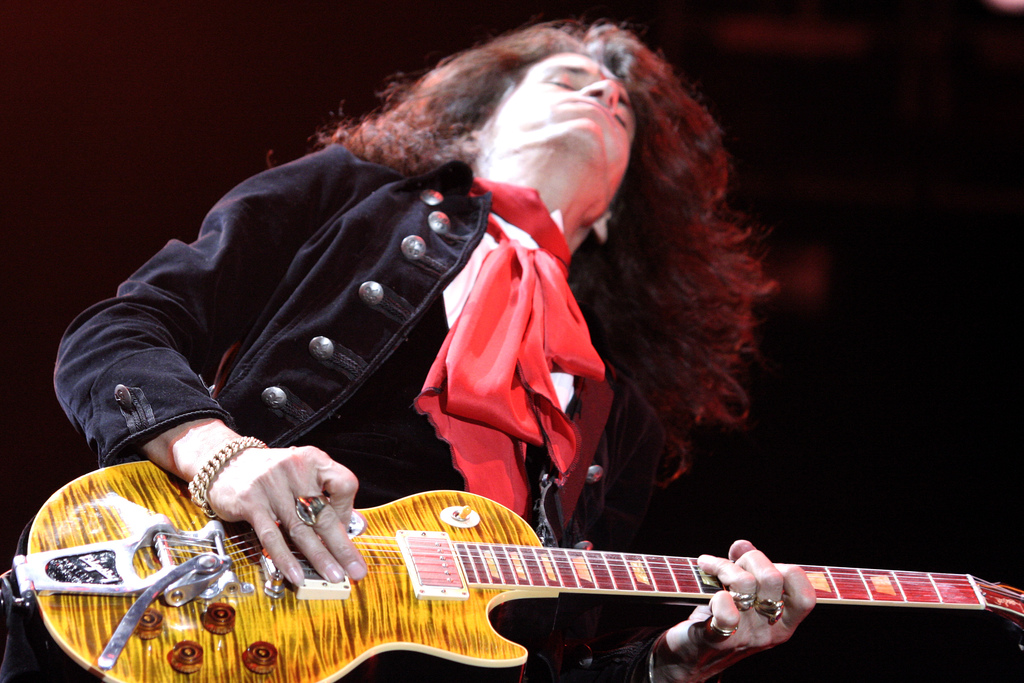
Happy Birthday, Joe Perry: The Riff Machine Who Gave Aerosmith Its Swagger
Joe Perry turns 76 today. From the swampy grind of “Sweet Emotion” to the reunion that saved a band, this is the career of the guitarist who taught American hard rock how to strut.
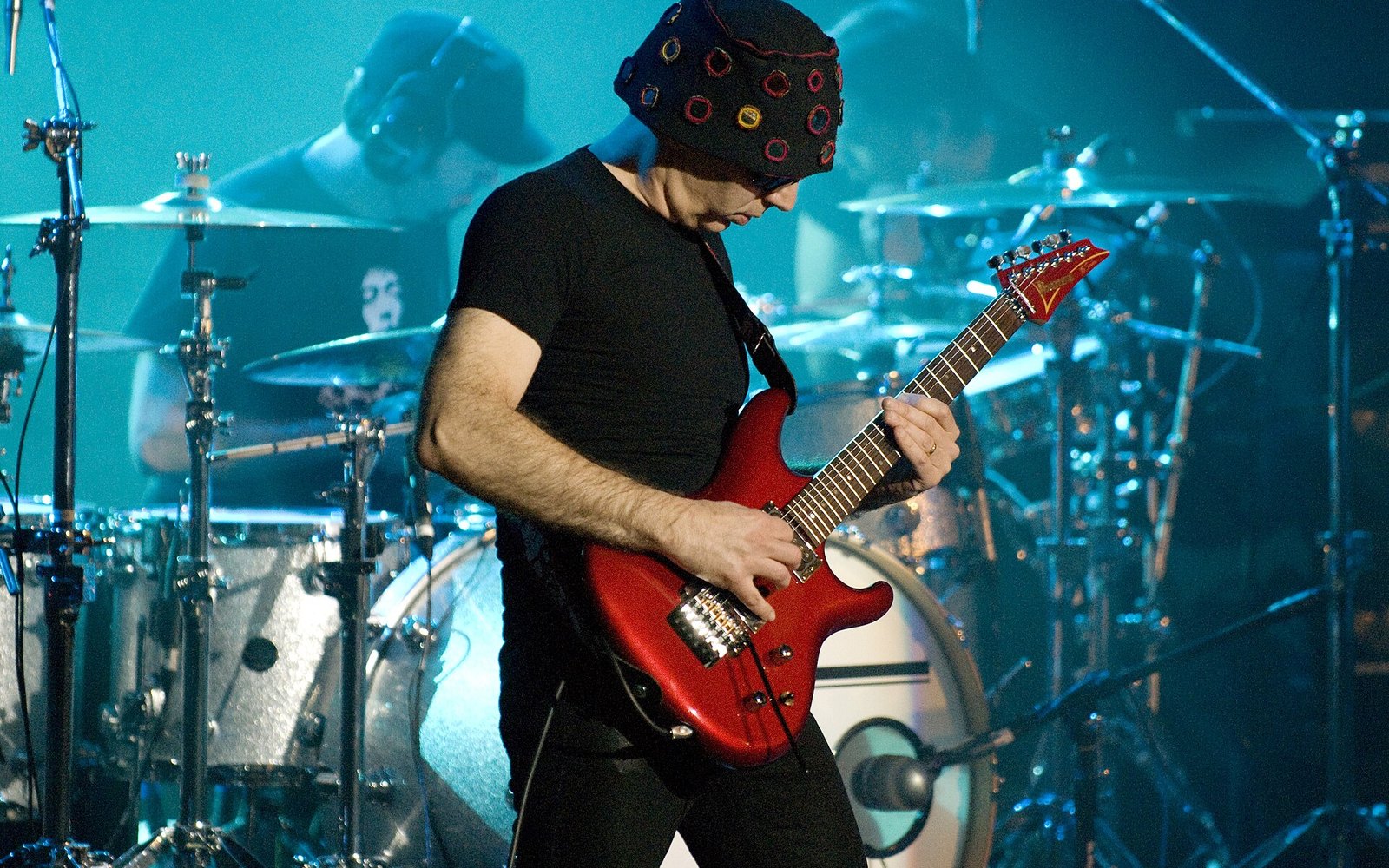
History of the Riff: How Joe Satriani Made “Flying in a Blue Dream” Feel Weightless
An acoustic guitar in an unusual tuning, a stray broadcast and a melody that seems to hang in the air: inside the construction of Satriani’s 1989 masterpiece.
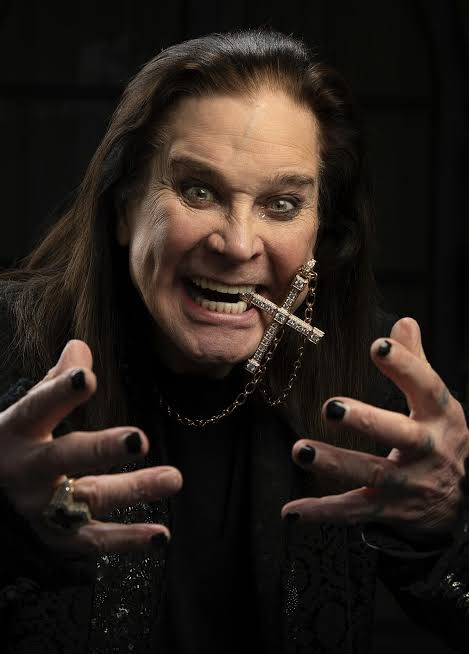
Tony Iommi Opens Up About His Final Conversation With Ozzy Osbourne: “I Still Can't Get It in My Head”
The Black Sabbath guitarist says Ozzy was exhausted after the band's emotional farewell — but determined to give fans one final show.