
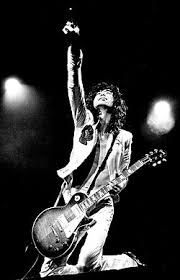
Jimmy Page's 'Since I've Been Loving You' Solo: The Greatest Blues Performance Ever Captured on Tape?
More than fifty years after Led Zeppelin III, Jimmy Page's slow-blues masterpiece still teaches guitarists what technical perfection never could — that phrasing, dynamics, and human imperfection are the real currency of great guitar playing.
Some guitar solos impress you. Some inspire you. A handful change the way you think about the instrument. Then there's Jimmy Page's solo on "Since I've Been Loving You."
More than fifty years after Led Zeppelin III arrived in 1970, Page's masterpiece remains one of the most emotionally devastating guitar performances ever committed to tape. It isn't the fastest solo ever recorded. It isn't technically perfect. In fact, by today's standards it contains bends that drift slightly sharp, notes that scrape against the strings, and moments where Page seems to be fighting the guitar itself.
That's exactly why it continues to stand above thousands of technically flawless performances — because every single note feels human. While countless guitarists spend years chasing precision, Jimmy Page captured something far more difficult: pure emotion.
The Song That Nearly Stopped Time
Released on Led Zeppelin III, "Since I've Been Loving You" represented something different. Most listeners expected another barrage of riffs after "Whole Lotta Love." Instead they received an aching, seven-minute slow blues that became the emotional centerpiece of the record.
Unlike many Zeppelin songs built around heavy riffs or acoustic experimentation, this track breathes. Every instrument has room. John Paul Jones' Hammond organ fills the background without crowding the mix. John Bonham somehow makes a slow groove feel enormous. Robert Plant delivers one of the greatest vocal performances of his career. Then Jimmy Page arrives — and everything changes.
Jimmy Page Wasn't Trying To Be Fast
One of the biggest misconceptions among younger players is assuming Page was chasing technical perfection. He wasn't. His heroes weren't shredders — they were storytellers.
Page absorbed the phrasing of blues legends like B.B. King, Otis Rush, Hubert Sumlin, Freddie King and Albert King long before rock guitar became a competition. His goal wasn't to impress. His goal was communication.
That's why every phrase in "Since I've Been Loving You" sounds like another sentence in a conversation. Instead of endless sixteenth notes, Page leaves silence. Instead of sweep picking, he lets bends hang in the air. Instead of filling every space, he lets the music breathe.
Real emotion isn't perfectly in tune. Real emotion wavers.
Every Bend Feels Like It's About To Break
Great blues guitar lives and dies by bending, and Jimmy Page understood this better than almost anyone. Throughout the solo, his bends rarely feel mechanical. They're alive. Sometimes they overshoot. Sometimes they stop just short. Sometimes they shake violently with wide vibrato.
Get Jimmy Page’s “Since I've Been Loving You” Tone
Tell ToneMD what guitar and gear you own and we’ll show you how to get as close as possible using the equipment you already have — full signal chain, real numbered settings, no guesswork.
Included with The Guitar Plugged Premium
Listen carefully and you'll hear Page almost pulling the strings apart. The tension becomes physical. You can almost feel his fingertips fighting the guitar — something modern editing software often removes. Page embraced it.
The Dynamics Are Astonishing
One of the least discussed aspects of the solo is its incredible dynamic range. Page doesn't attack every phrase equally. Some notes barely whisper. Others explode from the speakers. He constantly manipulates pick attack, volume, touch, string noise, and finger pressure.
That's what creates movement. The solo breathes like a human voice instead of sounding like someone running scales. Many technically gifted guitarists can play every note. Very few can recreate the dynamics.
The Famous Tone
Ask ten guitarists what equipment Page used and you'll receive twelve answers. That's because his sound was never about a single piece of gear. The core ingredients are simple:
• Guitar: Gibson Les Paul Standard
• Amp: Marshall Super Lead (Plexi)
• Drive: Moderate overdrive — never scooped, never over-saturated
• Strings: Regular Slinky-style .010–.046
• Technique: Heavy pick attack, wide vibrato, dynamic volume control
Unlike modern high-gain tones, Page leaves enormous amounts of clean signal intact. You hear every scrape, every slide, every finger movement, every imperfection. That's what makes the tone feel alive.
Why Modern Guitarists Still Study This Solo
“Jimmy Page made six strings sound heartbreakingly human — and that's why generations of guitarists still chase a feeling they first heard on Led Zeppelin III.”
Thousands of YouTube lessons exist breaking down every measure. Why? Because it teaches things scales never can — emotional phrasing, dynamic control, call-and-response ideas, blues vocabulary, timing, space, vibrato, touch sensitivity. These are skills that cannot be learned through speed exercises alone.
The Solo Builds Like A Story
One of Page's greatest strengths was pacing. He never starts with fireworks. Instead, he begins conversationally — simple phrases, short statements, questions. Then the intensity slowly increases. Each chorus raises the emotional stakes. Every bend becomes more desperate. Every run carries more urgency.
By the climax, Page sounds like someone trying to squeeze every remaining ounce of emotion from six strings. It's masterful storytelling.
The Recording Isn't Perfect — Thankfully
One reason the solo continues to resonate is because it wasn't edited into perfection. Today's recording technology often removes humanity. Page's performance leaves everything intact: string squeaks, aggressive pick noise, slight timing fluctuations, microtonal bends, finger slides. They're part of the performance — not mistakes.
Bonham's Secret Contribution
Jimmy Page's solo wouldn't feel the same without John Bonham. Bonham somehow makes a slow blues groove swing with unbelievable authority. Every fill pushes Page forward. Every snare hit increases tension. The rhythm section gives Page the confidence to stretch phrases beyond predictable timing. It's one of rock's greatest examples of musicians listening to one another.
Robert Plant Sets The Emotional Stage
Before Page even begins soloing, Robert Plant has already established complete emotional devastation. His vocal isn't polished — it's vulnerable. The guitar doesn't interrupt the story. It continues it. Page essentially finishes the sentences Plant began.
Why Faster Doesn't Mean Better
Modern guitar culture often celebrates speed. Page reminds us that speed is only one tool. Ask yourself: which note from "Since I've Been Loving You" do fans remember? Usually, it's a single bend. One note. Held forever. That's the power of phrasing.
Live Versions Became Legendary
Few Zeppelin songs evolved more dramatically on stage. Performances stretched beyond ten minutes — sometimes fifteen. Page improvised constantly. No two versions sounded identical. The solo became a conversation instead of a rehearsed performance. Improvisation should feel alive.
Lessons Every Guitarist Can Learn
Whether you've played for six months or sixty years, Page's solo teaches timeless principles: play fewer notes; let silence work; make every bend count; don't rush; control your dynamics; develop your vibrato; tell a story. Scales are vocabulary — music is conversation.
The Legacy
More than half a century later, guitarists continue debating the greatest solo ever recorded. Many point to "Comfortably Numb." Others choose "Stairway to Heaven." Some argue for "Eruption." But "Since I've Been Loving You" belongs in every serious discussion.
Because greatness isn't measured by speed, complexity, or technical difficulty. It's measured by emotional impact. Jimmy Page accomplished something extraordinarily rare — he made six strings sound heartbreakingly human. And that's why generations of guitarists still chase a feeling they first heard on Led Zeppelin III.
Some solos entertain. Some impress. Very few make you feel every single note. Jimmy Page's performance on "Since I've Been Loving You" remains one of those rare moments where the guitar stops being an instrument — and starts sounding like a voice.
Experience-driven coverage, not algorithm bait.
- 20+ years of guitar playing experience
- Real-world retail experience at Guitar Center
- Thousands of hours testing guitars, amps, and pedals
- A community of 50,000+ guitar enthusiasts across platforms
- Partnerships with Fender, DistroKid, TrueFire, Card Chords, and Enya
- Editorial standards published openly — see how we test gear
Join The Guitar Plugged Newsletter
Note-by-note solo breakdowns, tone deep dives, and honest gear takes — straight to your inbox every week.
Ask GP
3 free questionsQuestions about Jimmy Page's 'Since I've Been?
Get a straight answer from The Guitar Plugged's knowledge engine.
Discussion (0)
Sign in to join the discussion.
Sign in to commentLoading comments…
Discover another guitar story
Swipe through our latest features, breaking news and iconic solos — one story at a time.
Open Swipe →More in Iconic Solos
The Story Behind the "Hotel California" Guitar Solo: How Don Felder and Joe Walsh Created Rock's Greatest Guitar Duel
Nearly five decades on, the final minutes of the Eagles' "Hotel California" still stop guitarists in their tracks. Inside the composition, tone, and interplay of Don Felder and Joe Walsh's legendary dual-guitar finale.

10 Underrated Guitar Solos Every Player Should Learn
Ten overlooked guitar solos — from Larry Carlton to Derek Trucks — that will make you a better player through phrasing, feel, and note choice.
Iconic Solos: Marty Friedman's "Tornado of Souls" — The Crown Jewel of Thrash Guitar
More than 35 years later, Marty Friedman's solo on Megadeth's Tornado of Souls is still the gold standard for melodic shred — exotic phrasing, vocal-like bends, and an ending run that breaks brains.