Can the Badder Monkey Beat the Legendary Tube Screamer? I Put Them Head-to-Head
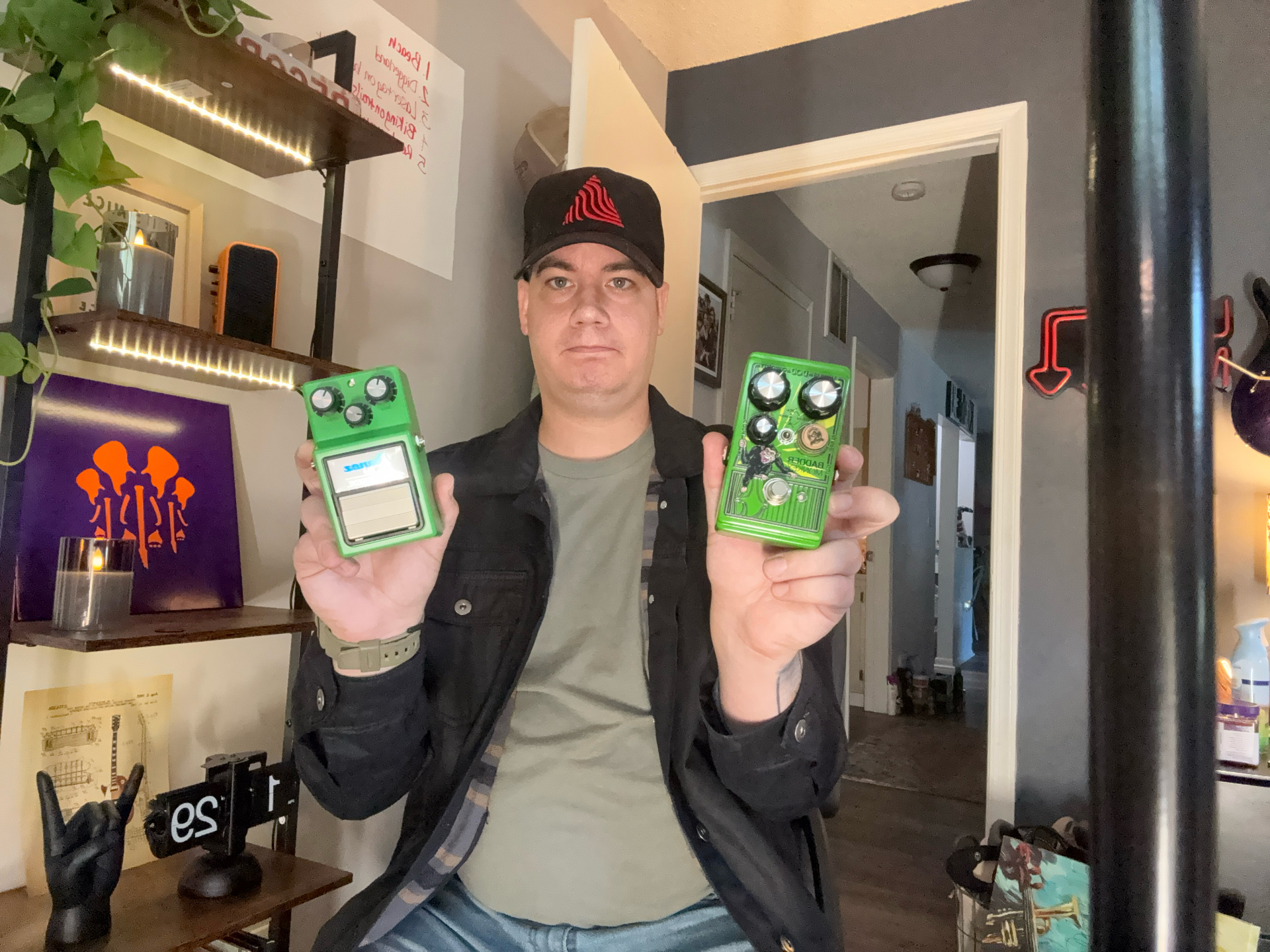
The DOD Badder Monkey takes on the Ibanez Tube Screamer in a head-to-head shootout. Same guitar, same amp, same playing — here's which overdrive actually deserves a spot on your board.
🎥 WATCH THE FULL COMPARISON
Wondering if the new DOD Badder Monkey can dethrone the legendary Tube Screamer? In this hands-on comparison, Patrick Joseph Lawlor tests both pedals using the same Gibson Les Paul Standard and Fractal FM3 to find out which overdrive deserves a spot on your pedalboard.
▶ Watch on YouTubeThe Tube Screamer isn't just another overdrive pedal — it's one of the most influential pieces of guitar gear ever created. From Stevie Ray Vaughan to John Mayer, countless players have relied on that unmistakable midrange push to tighten amps, boost solos, and shape iconic tones.
Then there's the Bad Monkey. Originally released by DigiTech in the early 2000s, it quietly built a cult following before exploding in popularity after players realized just how good it sounded for the money. Instead of simply reissuing that classic circuit, DOD decided to evolve it into something entirely new: the Badder Monkey.
So the obvious question became…
Can it actually beat the legendary Tube Screamer?
After spending time with both pedals, I found the answer isn't nearly as straightforward as you might think.
What to Remember
- ▸The Tube Screamer still delivers that instantly recognizable midrange push — decades later, it remains the reference point for overdrive.
- ▸The DOD Badder Monkey isn't a reissue — it's an evolution, with three overdrive voices, a Barrel blend control, and a full EQ section.
- ▸Both pedals were tested through a Gibson Les Paul Standard into a Fractal FM3 with matching amp settings and identical playing.
- ▸The Tube Screamer wins on 'plug in and it just works.' The Badder Monkey wins on flexibility and tweakability.
- ▸Neither pedal embarrassed itself — the right answer depends on whether you want 'that sound' or 'your sound.'
The Test
Rather than diving into every possible control combination, I wanted to answer the question most guitarists actually ask:
Which pedal makes your amp sound better?
For this comparison I used:
- Gibson Les Paul Standard
- Fractal FM3
- Matching amp settings
- Identical playing throughout the demo
- Both pedals primarily used as low-gain boosts
This keeps the comparison fair and lets you hear exactly what each pedal contributes.
The Tube Screamer: Still the Benchmark
There's a reason the Tube Screamer has survived for decades.
Want This Tone?
Tell ToneMD what guitar and gear you own and we’ll show you how to get as close as possible using the equipment you already have — full signal chain, real numbered settings, no guesswork.
Included with The Guitar Plugged Premium
The formula is simple:
- Tight low end
- Pronounced midrange
- Smooth clipping
- Excellent note separation
Push the front of a Marshall-style amp and it instantly delivers that focused, singing lead tone we've all heard on thousands of recordings.
It isn't flashy. It isn't packed with features. It simply works.
That's why it has become the reference point for almost every overdrive pedal that followed.
The Badder Monkey: More Than a Reissue
Here's where DOD surprised me.
Instead of recreating the original Bad Monkey, the company built something much more ambitious.
The Badder Monkey still contains the original Bad Monkey circuit, but adds two completely new overdrive voices and a unique Barrel Control that lets you blend them together. Combined with its expanded EQ section and multiple operating modes, it's capable of producing hundreds of different drive combinations.
“Neither pedal embarrassed itself. In fact, I walked away appreciating both even more.”
It also feels different in your hands. Compared to the heavy metal enclosure of the Tube Screamer, the Badder Monkey is noticeably lighter. It doesn't quite have that same "tank-like" feel, but the controls are smooth and the pedal offers far more tonal flexibility.
How They Sound
This is where personal preference takes over.
Tube Screamer
The Tube Screamer immediately delivers that familiar push. It compresses just enough, adds upper-mid focus, and cuts through a mix effortlessly. If you've spent years using one, you'll feel at home within seconds.
Badder Monkey
The Badder Monkey surprised me. Instead of trying to imitate the Tube Screamer exactly, it offers several different personalities.
Some settings get remarkably close to classic Tube Screamer territory. Others become thicker, more open, or noticeably more aggressive. The EQ controls also allow you to dial in low end much more precisely than a traditional Tube Screamer.
It's less of a clone and more of an evolution.
Which One Would I Buy?
If someone handed me only one pedal… I'd still have a hard time choosing.
The Tube Screamer earns its legendary reputation every single time you plug it in. But the Badder Monkey gives you far more room to experiment.
Players who love tweaking tones will probably gravitate toward the Badder Monkey. Players who simply want "that sound" immediately may still prefer the Tube Screamer.
Neither pedal embarrassed itself. In fact, I walked away appreciating both even more.
The Tube Screamer is still the benchmark — plug it in and it just works. The Badder Monkey is the more flexible modern option, with real range beyond the Bad Monkey circuit it evolved from. Buy the TS9 if you want 'that sound' immediately. Buy the Badder Monkey if you want a pedal you'll keep discovering for months.
What Do You Hear?
Does the Tube Screamer still reign supreme, or has the Badder Monkey earned a place on your pedalboard? Let us know in the comments below.
Related Articles
Experience-driven coverage, not algorithm bait.
- 20+ years of guitar playing experience
- Real-world retail experience at Guitar Center
- Thousands of hours testing guitars, amps, and pedals
- A community of 50,000+ guitar enthusiasts across platforms
- Partnerships with Fender, DistroKid, TrueFire, Card Chords, and Enya
- Editorial standards published openly — see how we test gear
More gear shootouts like this one
Weekly pedal comparisons, tone breakdowns, and gear deep-dives — straight to your inbox.
Editor's Gear — Badder Monkey vs Tube Screamer Shootout
The exact pedals, guitar, and amp modeler used in this head-to-head comparison. Every link is a Reverb affiliate deep link — buy new or used, same premium editorial pick.
DOD Badder Monkey Overdrive
The original Bad Monkey circuit plus two new overdrive voices, a Barrel blend control, and expanded EQ. The most flexible sub-$150 overdrive on the market right now.
Check Current Price on Reverb →Ibanez TS9 Tube Screamer
The pedal every overdrive gets compared to. Tight low end, pronounced mids, and smooth clipping — the reference tone behind decades of iconic records.
Check Current Price on Reverb →Gibson Les Paul Standard
The guitar we ran both pedals through. Thick humbucker output, midrange punch, and the perfect front end for hearing exactly what an overdrive does to your amp.
Check Current Price on Reverb →Fractal Audio FM3 Mk II Turbo
The amp modeler on the receiving end of the shootout. Matched settings on both pedals meant every tonal difference we heard came from the overdrive circuit itself.
Check Current Price on Reverb →The Guitar Plugged may earn a commission if you purchase through affiliate links. This helps support independent guitar journalism at no extra cost to you.
You don't need both pedals. Pick the Tube Screamer for 'that sound' or the Badder Monkey for maximum flexibility — either one earns its spot on the board.
Ask GP
3 free questionsQuestions about Can the Badder Monkey Beat?
Get a straight answer from The Guitar Plugged's knowledge engine.
Discussion (0)
Sign in to join the discussion.
Sign in to commentLoading comments…
Discover another guitar story
Swipe through our latest features, breaking news and iconic solos — one story at a time.
Open Swipe →More in Signature Gear
Fender's Strat Crackdown Is Already Changing Guitar Design — Is This What the Next S-Style Will Look Like?
LsL Instruments has shown its first new electric guitar since confirming it received a cease-and-desist tied to Fender's Stratocaster enforcement campaign — and the redesigned Saticoy 24 raises a much bigger question: if boutique builders can no longer lean on the Strat silhouette, does electric guitar design finally move again?
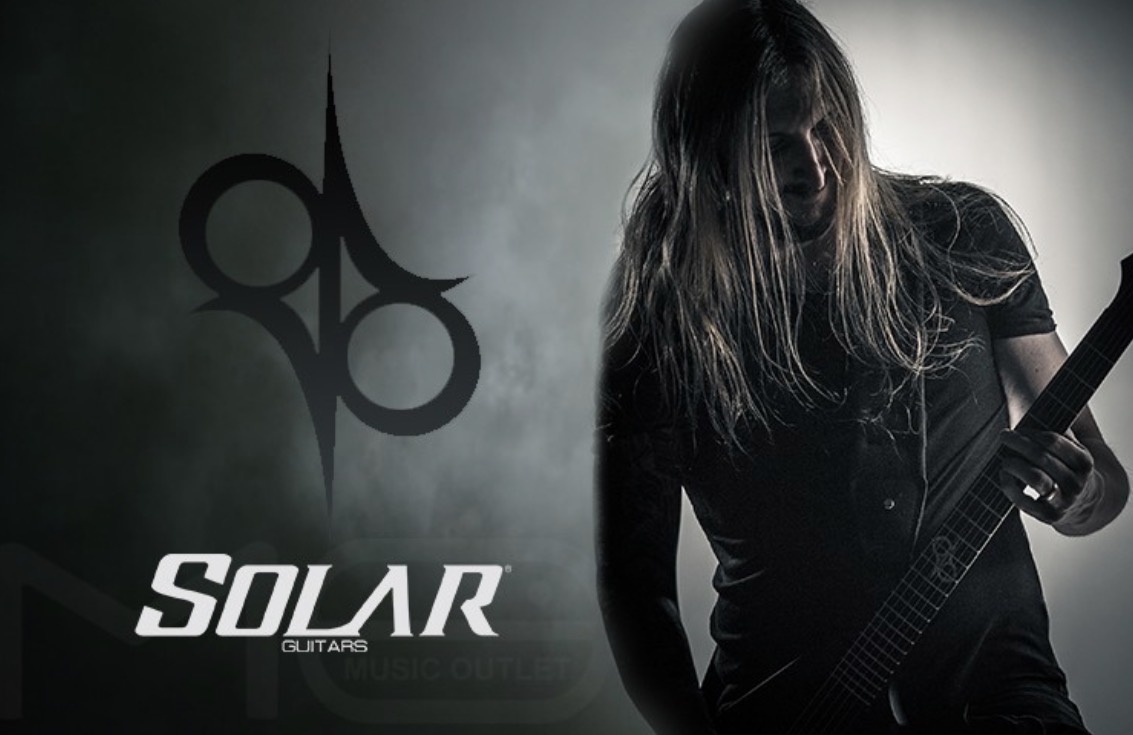
Does Any Guitarist Really Need 27 Frets? Solar's New ACS Makes the Case
Solar Guitars has put 27 frets on its new carved-body ACS models — a six-string at 25.5" and a seven-string at 26.5", both with stainless super-jumbo frets, Gotoh 1996 tremolos and set-thru necks. Here are the verified specs, plus the design question nobody in the launch coverage is asking: what do frets 25, 26 and 27 actually give a player, and what do they cost you further down the neck?

D'Addario's AI Guitar Controversy Is Bigger Than One String Demo — It's About Trust
D'Addario says no generative AI wrote or played the music in its NYXL HD string demo — but it has admitted the track was over-produced and that AI-assisted mastering tools were used. The row exposes a deeper problem: when a product's selling point is sound, how much production is too much before the demo stops being useful to players?