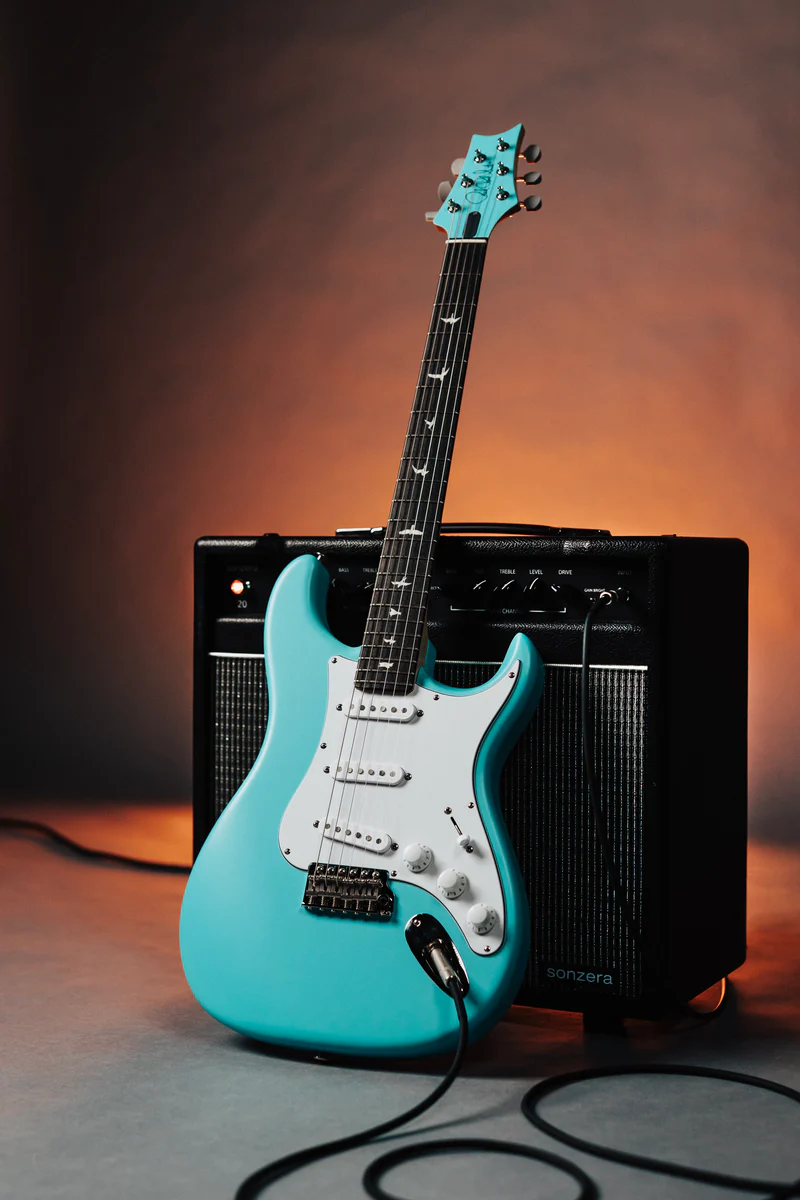
Inside the Evolution of the PRS Silver Sky
From the most controversial launch in modern PRS history to one of the best-selling signature guitars on the market — how the Silver Sky won over the guitar world.
There are certain guitars that divide the guitar community the moment they're announced. The PRS Silver Sky was one of them.
When it debuted in 2018, people had opinions — and a lot of them.
Some players saw it as a bold new take on the classic S-style guitar. Others looked at it and wondered why anyone would buy one when they could simply buy a vintage-inspired Fender. Then there was the controversy over the headstock, the endless debates online, and the idea that a PRS somehow wasn't supposed to build a guitar that lived in Strat territory.
Fast forward a few years, and it's hard to deny what the Silver Sky has become: one of the most successful signature guitars of the modern era.
What to Remember
- ▸The Silver Sky was born out of John Mayer and Paul Reed Smith's obsession with the details of vintage S-style guitars.
- ▸The 2018 launch was one of the most polarizing in modern PRS history — the reversed headstock and Strat-adjacent shape divided the community.
- ▸Once players actually held one, the criticism turned into respect: the neck, the 635JM pickups, the tremolo, and the fretwork won people over.
- ▸The Silver Sky SE, launched in 2022, opened the design up to a much wider audience at a fraction of the Core price.
- ▸It's now one of PRS's best-selling signature models — a rare case of a controversial guitar earning its place through pure playability.
How the Silver Sky Happened
The story really begins with John Mayer.
Mayer had spent years playing vintage Stratocasters. His tone was already legendary, and his signature sound had become synonymous with old-school single-coil guitars. But after his long relationship with Fender ended, he started working closely with Paul Reed Smith.
The goal wasn't to create another Strat clone.
Instead, Mayer and Smith wanted to build the guitar that Mayer wished all of his favorite vintage guitars could be.
They studied old instruments, measured neck shapes, listened to pickups, and obsessed over every little detail. According to Mayer, they spent years getting the design exactly right.
That's why the Silver Sky doesn't feel like a copy. It feels like a guitar that was inspired by the golden era of S-style instruments but refined with modern consistency.
That said, if you're shopping the Silver Sky family, the Core model is the guitar Mayer and Paul Reed Smith spent years perfecting — and every detail shows.
The Controversial Launch
I remember when the Silver Sky was announced.
The internet absolutely lost its mind.
People complained about the reversed PRS headstock. People said PRS had run out of ideas. Some players dismissed it before they had ever even held one.
Want This Tone?
Tell ToneMD what guitar and gear you own and we’ll show you how to get as close as possible using the equipment you already have — full signal chain, real numbered settings, no guesswork.
Included with The Guitar Plugged Premium
Then something funny happened.
Guitarists actually started playing the thing. And most of them loved it.
The neck felt incredible. The pickups sounded vintage without being weak. The tremolo was stable. The attention to detail was exactly what we've come to expect from PRS.
The criticism slowly turned into respect.
Silver Sky Timeline
The Journey
Core model launches
PRS and John Mayer debut the Silver Sky. The reversed headstock and S-style body sparks one of the loudest debates in modern guitar.
Core model launches
PRS and John Mayer debut the Silver Sky. The reversed headstock and S-style body sparks one of the loudest debates in modern guitar.
Silver Sky SE launches
PRS brings the design to a wider audience with the SE version — same DNA, dramatically lower price. Instant hit.
One of PRS's best-selling signature guitars
The Silver Sky is a modern staple — a fixture on stages, in studios, and at the top of PRS's signature lineup.
One of PRS's best-selling signature guitars
The Silver Sky is a modern staple — a fixture on stages, in studios, and at the top of PRS's signature lineup.
Why the Silver Sky Works
The secret of the Silver Sky isn't one single feature. It's the combination of all the little things.
The 635JM pickups deliver that familiar glassy single-coil sound while still having enough body to keep leads from sounding thin.
The neck carve somehow feels instantly comfortable, especially if you're someone who likes vintage-inspired instruments.
The fretwork is exceptional, which honestly shouldn't surprise anyone who's played a PRS before.
Then there's the tremolo. It's smooth, stays in tune remarkably well, and has a softer feel than many traditional vintage systems.
“Sometimes players don't want an exact vintage recreation. They want something familiar — refined.”
Everything about the guitar feels intentional. Nothing feels like it was added simply for marketing purposes.
• 635JM single-coils voiced for vintage clarity with modern balance
• Reversed headstock for longer treble-string length and snappier attack
• PRS Gen III tremolo — stable, smooth, expressive
• Rosewood or maple neck options with PRS's famous fretwork
• Available as Core (USA) or SE (Indonesia) at very different price points
My Experience With PRS Guitars
I'll admit something. I actually like the Silver Sky. A lot.
Every time I pick one up, I'm reminded why so many players swear by them. The fit and finish are incredible. The necks are comfortable, and the pickups sound fantastic.
But for whatever reason, I've never been able to hold on to a PRS.
I've owned a few over the years, and eventually I always end up moving them along.
Maybe it's because I'm so attached to guitars with tremolos and a more aggressive, hot-rodded personality. Maybe it's because I grew up obsessed with Eddie Van Halen and guitars that practically beg you to abuse the whammy bar.
I keep coming back to instruments like my Kiesel CT6, my Charvel DK24, and my Schecter Sun Valley Shredder. That's just where my hands naturally feel at home.
But I can still appreciate what PRS has accomplished with the Silver Sky. It's one of those guitars that deserves the praise it gets.
The SE Changed Everything
Then came the Silver Sky SE.
Suddenly, players who couldn't justify spending thousands on a Core model had access to the same design philosophy at a much more affordable price.
And honestly? The SE version is excellent. It's one of the best values in the guitar world today.
The guitar retains so much of what makes the original great that it's easy to recommend to almost anyone looking for an S-style instrument.
If you've been curious about the Silver Sky but hesitant on the Core price, the SE is the entry point that lets you experience the design without a mortgage payment.
The Legacy of the Silver Sky
I don't think anyone could have predicted just how successful this guitar would become.
What started as one of the most controversial releases in recent memory has become one of PRS's biggest success stories.
The Silver Sky proved something important. Players don't necessarily want exact recreations of vintage instruments. Sometimes they want something familiar that has been refined and improved.
Whether you're a die-hard PRS fan or someone like me who never seems to keep one around for very long, it's impossible not to respect what the Silver Sky accomplished.
It earned its place in the modern guitar landscape.
And honestly, that's pretty impressive for a guitar that so many people wrote off before they ever played one.
Complete Your Silver Sky Setup
A few small upgrades and accessories go a long way with any Silver Sky — the PRS Premium Gig Bag for daily transport, PRS Signature Strings to keep the factory feel, and a set of PRS locking tuners if you use the tremolo hard. All three are listed at the bottom of this article.
Related Articles
- PRS SE Silver Sky$849·Check on Amazon →
- PRS Premium Gig Bag$149·Check on Amazon →
- PRS Signature Strings$12·Check on Amazon →
- PRS Locking Tuners$89·Check on Amazon →
Some links are affiliate links — we may earn a small commission at no cost to you.
Build Your Silver Sky Rig
Some links may be affiliate links. We may earn a small commission at no cost to you.
Experience-driven coverage, not algorithm bait.
- 20+ years of guitar playing experience
- Real-world retail experience at Guitar Center
- Thousands of hours testing guitars, amps, and pedals
- A community of 50,000+ guitar enthusiasts across platforms
- Partnerships with Fender, DistroKid, TrueFire, Card Chords, and Enya
- Editorial standards published openly — see how we test gear
The Modern Guitar Magazine. Delivered to your inbox.
No spam. No gimmicks. Just great guitar content — stories, tones, iconic solos, and honest gear takes. Every week.
Ask GP
3 free questionsQuestions about Inside the Evolution of the?
Get a straight answer from The Guitar Plugged's knowledge engine.
Discussion (0)
Sign in to join the discussion.
Sign in to commentLoading comments…
Discover another guitar story
Swipe through our latest features, breaking news and iconic solos — one story at a time.
Open Swipe →More in Signature Gear
Fender's Strat Crackdown Is Already Changing Guitar Design — Is This What the Next S-Style Will Look Like?
LsL Instruments has shown its first new electric guitar since confirming it received a cease-and-desist tied to Fender's Stratocaster enforcement campaign — and the redesigned Saticoy 24 raises a much bigger question: if boutique builders can no longer lean on the Strat silhouette, does electric guitar design finally move again?
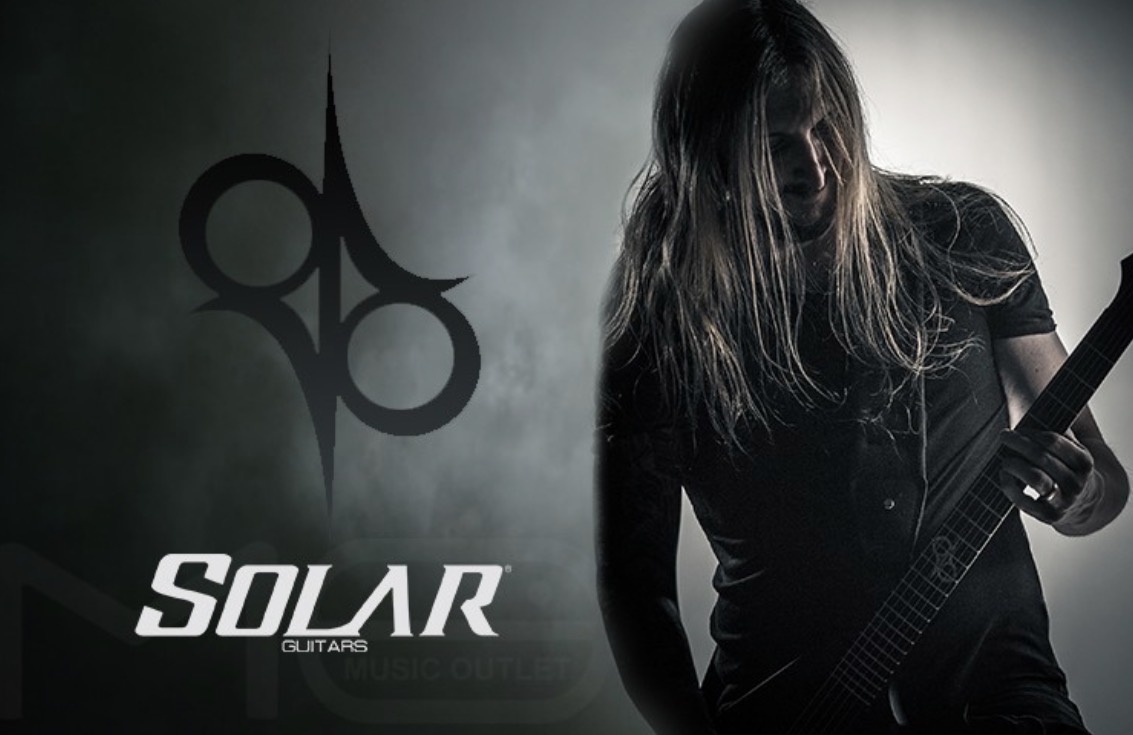
Does Any Guitarist Really Need 27 Frets? Solar's New ACS Makes the Case
Solar Guitars has put 27 frets on its new carved-body ACS models — a six-string at 25.5" and a seven-string at 26.5", both with stainless super-jumbo frets, Gotoh 1996 tremolos and set-thru necks. Here are the verified specs, plus the design question nobody in the launch coverage is asking: what do frets 25, 26 and 27 actually give a player, and what do they cost you further down the neck?
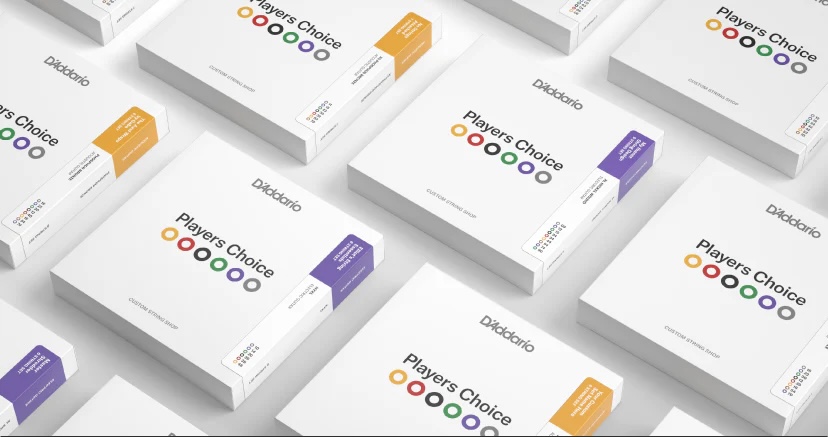
D'Addario's AI Guitar Controversy Is Bigger Than One String Demo — It's About Trust
D'Addario says no generative AI wrote or played the music in its NYXL HD string demo — but it has admitted the track was over-produced and that AI-assisted mastering tools were used. The row exposes a deeper problem: when a product's selling point is sound, how much production is too much before the demo stops being useful to players?