
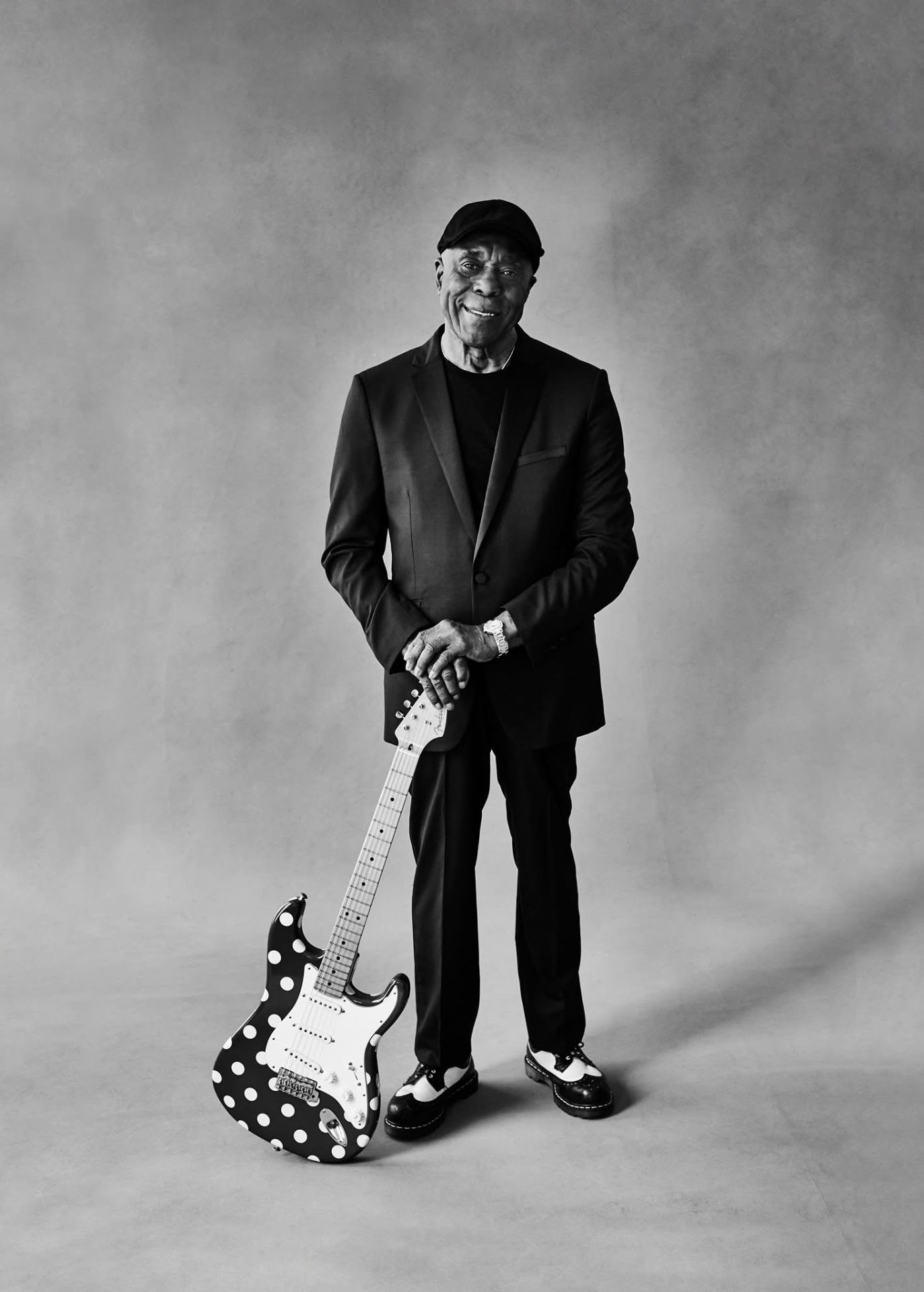
Buddy Guy: The Last Great Blues Giant Still Teaching the World How to Play with Feeling
At 90, Buddy Guy is still the loudest, most fearless voice in electric blues — the guitarist who taught Clapton, Hendrix, SRV, Jeff Beck and John Mayer that feeling always beats flash.
Some guitarists are remembered for speed. Others for technical precision. Buddy Guy is remembered for something much harder to teach — pure emotion.
For more than six decades, Buddy Guy has been one of the defining voices of electric blues. His explosive live performances, fearless improvisation, and unmistakable tone helped shape modern guitar playing long before rock guitar became mainstream.
Without Buddy Guy, it's difficult to imagine the sounds of Eric Clapton, Jimi Hendrix, Stevie Ray Vaughan, Jeff Beck, John Mayer, or countless others.
At 90 years old, Buddy Guy continues to perform, record music, and remind audiences that feeling will always matter more than flash.
[TOC]
• 90 years old and still touring, recording, and mentoring the next generation of blues guitarists.
• Direct influence on Eric Clapton, Jimi Hendrix, Stevie Ray Vaughan, Jeff Beck, and John Mayer.
• Pioneered feedback, distortion, and stage theatrics before they became rock staples.
• Signature Fender Stratocaster remains one of the most recognizable blues guitars ever made.
• Living link to Muddy Waters, Howlin' Wolf, Willie Dixon, and the golden era of Chicago blues.
From Louisiana to Chicago
Born in Lettsworth, Louisiana, Buddy Guy grew up building homemade instruments before eventually purchasing his first real guitar.
In the late 1950s he moved to Chicago — the epicenter of electric blues — where he quickly earned a reputation as one of the city's most exciting young guitarists.
Playing alongside legends like Muddy Waters, Howlin' Wolf, Willie Dixon, and Junior Wells, Buddy developed an aggressive style that pushed the boundaries of traditional blues.
At a time when most blues players favored restraint, Buddy attacked the guitar with explosive bends, dramatic vibrato, feedback, and incredible dynamics. Many musicians simply weren't ready for what they were hearing.
The Guitarist That Inspired the Guitar Heroes
Perhaps Buddy Guy's greatest legacy isn't just his own recordings — it's the guitarists he inspired.
Eric Clapton
Clapton has repeatedly called Buddy Guy one of the greatest guitarists ever. Many of Clapton's blues phrasing, expressive bends, and emotional soloing can be traced directly back to Buddy's influence.
Get Buddy Guy’s “Damn Right, I've Got the Blues” Tone
Tell ToneMD what guitar and gear you own and we’ll show you how to get as close as possible using the equipment you already have — full signal chain, real numbered settings, no guesswork.
Included with The Guitar Plugged Premium
Jimi Hendrix
Before Hendrix became a superstar, he studied Buddy Guy's fearless performances. Buddy was experimenting with feedback, distortion, and stage theatrics years before they became rock staples.
Stevie Ray Vaughan
SRV often cited Buddy Guy as one of his biggest inspirations. Their friendship lasted decades, and their performances together remain essential viewing for blues fans.
Jeff Beck
Jeff Beck praised Buddy Guy's ability to make every note feel alive. His unpredictable phrasing and willingness to take risks influenced Beck throughout his career.
John Mayer

X Concepts Strings • Made in USA
Never Run Out of Strings Again.
Join the X Concepts String Club and get fresh USA-made strings delivered every month—plus Premium membership options for the full Guitar Plugged experience.
Modern blues ambassador John Mayer has frequently acknowledged Buddy Guy's enormous impact on his playing. Their collaborations highlight how timeless Buddy's approach remains.
Why Buddy Guy Sounds Different
“Some guitarists are remembered for speed. Others for technical precision. Buddy Guy is remembered for something much harder to teach — pure emotion.”
Technically, Buddy Guy can play blisteringly fast. But speed has never been the point. His greatest strength is storytelling.
Every bend feels intentional. Every pause creates tension. Every note seems to speak.
Buddy often shifts from whisper-quiet passages to explosive climaxes within seconds, creating performances that feel completely spontaneous. That emotional unpredictability is what separates great blues players from merely skilled guitarists.
[MEMBERS_CTA]
Signature Gear
Throughout his career, Buddy Guy has become closely associated with Fender Stratocasters, Fender amplifiers, heavy string bending with lighter gauge strings, massive dynamic control, and a finger vibrato that sounds almost vocal.
His Fender Buddy Guy Signature Stratocaster, with its unmistakable polka-dot finish, has become one of the most recognizable blues guitars ever produced. Pair it with a Fender Blues Junior IV amplifier and a fresh set of Ernie Ball Super Slinky strings (.009–.042), and you're already halfway inside his tonal world. A variety pack of Dunlop Tortex picks helps you dial in the attack that gives every Buddy Guy bend its bite.
Essential Buddy Guy Albums
If you're just beginning to explore his music, start here:
- Damn Right, I've Got the Blues (1991)
- Feels Like Rain (1993)
- Sweet Tea (2001)
- Blues Singer (2003)
- The Blues Is Alive and Well (2018)
Each album captures a different chapter of Buddy's remarkable career while showcasing the expressive guitar work that made him legendary.
Lessons Every Guitarist Can Learn
Buddy Guy proves that great guitar playing isn't about playing the most notes. It's about making listeners feel something.
His career teaches several timeless lessons: don't be afraid to sound different, emotion beats speed, leave space between phrases, dynamics are just as important as technique, and confidence often matters more than perfection.
For players who want to internalize those lessons in a structured way, a proven method book like The Complete Blues Guitar Method is one of the best places to start.
Those principles remain as relevant today as they were when Buddy first arrived in Chicago.
The Last Living Link to Blues History
Buddy Guy represents something increasingly rare. He isn't simply performing blues music — he lived through its golden era.
He played alongside many of the architects of electric blues and helped carry that tradition into modern rock. Today, younger generations continue discovering Buddy Guy through festivals, collaborations, and streaming platforms, ensuring his influence extends far beyond his own recordings.
As long as guitarists chase great tone, expressive bends, and emotional playing, Buddy Guy's fingerprints will remain on the instrument.
Final Thoughts
Few musicians have influenced as many legendary guitarists while remaining humble ambassadors for the blues.
Buddy Guy's career reminds us that the greatest solos aren't always the fastest — they're the ones people remember years later. Long after trends come and go, his music continues to prove a simple truth: feeling never goes out of style.
- Fender Blues Junior IV$699·Check on Amazon →
- Ernie Ball Super Slinky Guitar Strings (.009–.042)$6·Check on Amazon →
- Dunlop Tortex Picks Variety Pack$8·Check on Amazon →
- Buddy Guy — Damn Right, I've Got the Blues$12·Check on Amazon →
- Buddy Guy — The Blues Is Alive and Well$14·Check on Amazon →
Some links are affiliate links — we may earn a small commission at no cost to you.
Experience-driven coverage, not algorithm bait.
- 20+ years of guitar playing experience
- Real-world retail experience at Guitar Center
- Thousands of hours testing guitars, amps, and pedals
- A community of 50,000+ guitar enthusiasts across platforms
- Partnerships with Fender, DistroKid, TrueFire, Card Chords, and Enya
- Editorial standards published openly — see how we test gear
The Modern Guitar Magazine. Delivered to your inbox.
No spam. No gimmicks. Just great guitar content — stories, tones, iconic solos, and honest gear takes. Every week.
Ask GP
3 free questions a dayStill curious? Ask GP about this story.
Your personal classic-rock and guitar guide — ask anything about Buddy Guy.
Discussion (0)
Sign in to join the discussion.
Sign in to commentLoading comments…
Discover another guitar story
Swipe through our latest features, breaking news and iconic solos — one story at a time.
Open Swipe →More in Guitar Talk
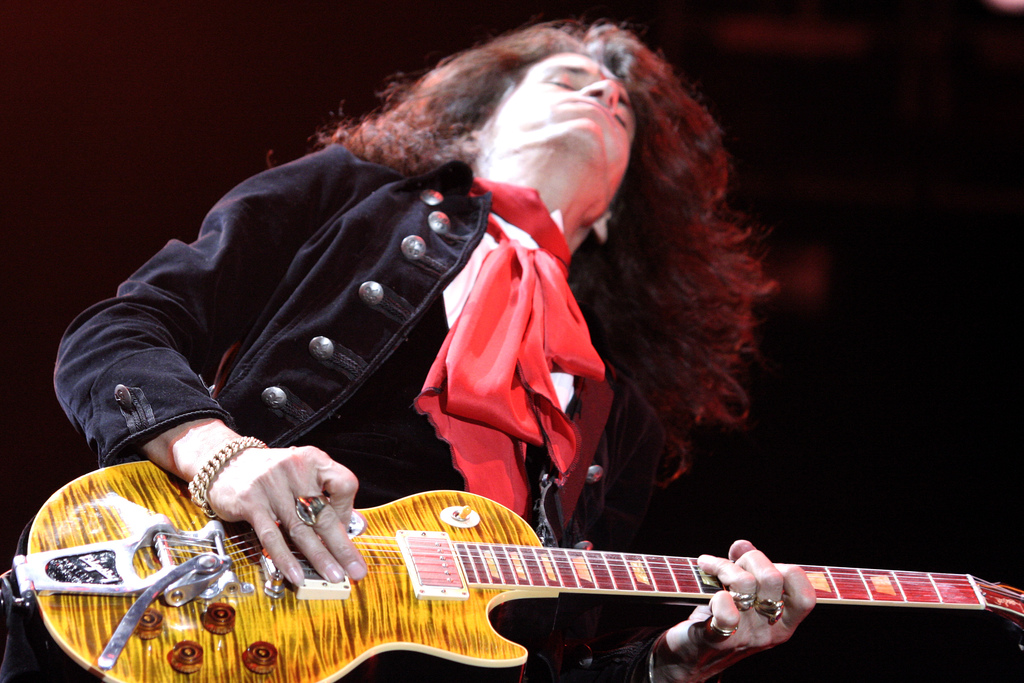
Happy Birthday, Joe Perry: The Riff Machine Who Gave Aerosmith Its Swagger
Joe Perry turns 76 today. From the swampy grind of “Sweet Emotion” to the reunion that saved a band, this is the career of the guitarist who taught American hard rock how to strut.

History of the Riff: How Joe Satriani Made “Flying in a Blue Dream” Feel Weightless
An acoustic guitar in an unusual tuning, a stray broadcast and a melody that seems to hang in the air: inside the construction of Satriani’s 1989 masterpiece.
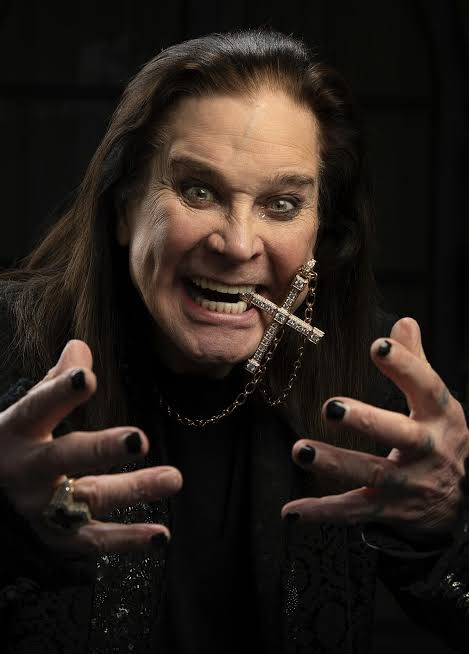
Tony Iommi Opens Up About His Final Conversation With Ozzy Osbourne: “I Still Can't Get It in My Head”
The Black Sabbath guitarist says Ozzy was exhausted after the band's emotional farewell — but determined to give fans one final show.