

Tone Decoded: The Atmospheric Genius of David Gilmour's Guitar Tone
From Comfortably Numb to Shine On You Crazy Diamond, David Gilmour built a tone around space, sustain, and dynamics. We break down the black Strat, Hiwatt amps, Big Muff fuzz, delay magic, and the phrasing that made his sound cinematic.
There are guitar tones that sound good. Then there are guitar tones that feel cinematic.
Few players in rock history have mastered atmosphere and emotion the way David Gilmour has. From the soaring leads on Comfortably Numb to the haunting textures of Shine On You Crazy Diamond, his sound helped define the identity of Pink Floyd for generations.
In this edition of Tone Decoded, we break down the gear, effects, phrasing, and techniques behind one of the most emotional guitar tones ever recorded.
The Core of the Gilmour Sound
At first glance, Gilmour's setup seems fairly traditional: Fender Stratocasters, Hiwatt amplifiers, Big Muff fuzz, and a chain of delay and modulation effects. But the real magic comes from how he combines those elements.
Unlike aggressive rock players who rely on raw distortion, Gilmour built his tone around space, sustain, and dynamics. Every note feels intentional. Every bend feels vocal-like. His tone breathes.
The Stratocaster Factor
One of the defining characteristics of Gilmour's sound is the unmistakable clarity of a Stratocaster. His famous black Strat delivered glassy highs, a tight low end, smooth neck pickup warmth, and exceptional articulation for delays and modulation.
Get David Gilmour’s “Comfortably Numb” Tone
Tell ToneMD what guitar and gear you own and we’ll show you how to get as close as possible using the equipment you already have — full signal chain, real numbered settings, no guesswork.
Included with The Guitar Plugged Premium
That clarity allowed his effects to remain musical instead of muddy. Even with heavy fuzz engaged, individual notes still stayed defined — something that became a signature part of the Pink Floyd sound.
The Power of Delay
If there's one effect most associated with Gilmour's tone, it's delay. But unlike players who use delay simply to thicken their sound, Gilmour used it rhythmically and emotionally.
His delays created expansive ambience, echoing melodic phrases, layered atmospheric textures, and massive solo depth. The result is a tone that feels almost orchestral. Songs like Run Like Hell and Comfortably Numb showcase how delay became part of the composition itself rather than just an effect sitting behind the guitar.

X Concepts Strings • Made in USA
Never Run Out of Strings Again.
Join the X Concepts String Club and get fresh USA-made strings delivered every month—plus Premium membership options for the full Guitar Plugged experience.
Fuzz Without Chaos
Gilmour's use of fuzz is legendary. His pairing of Stratocasters with fuzz pedals — especially Big Muff-style circuits — created a smooth sustaining lead tone that still sounded musical and controlled.
“Gilmour didn't just create guitar tones. He created landscapes.”
Most fuzz tones can become harsh or undefined. Gilmour's remained warm, singing, focused, sustain-heavy, and expressive. That balance between saturation and clarity is a huge reason his solos continue to sound timeless decades later.
The Secret Ingredient: Phrasing
The gear matters. But Gilmour's phrasing is what truly separates him from everyone else. His playing style focuses heavily on slow melodic development, wide bends, controlled vibrato, dynamic note spacing, and emotional timing.
He never sounds rushed. Many of Gilmour's greatest solos are memorable not because of speed, but because every single note feels meaningful. That level of restraint is incredibly difficult to master.
Why His Tone Still Influences Guitarists Today
Modern guitar culture often chases complexity: more gain, faster solos, bigger pedalboards, hyper-processed tones. Gilmour represents the opposite philosophy. His sound proves that emotion and atmosphere can be more powerful than technical excess.
That's why players across rock, ambient, progressive, blues, and even modern worship music still study his tone today. His guitar playing feels less like showing off and more like storytelling.
Building a Gilmour-Inspired Rig
If you want to move toward a Gilmour-inspired sound, focus on a clean high-headroom amp, Strat-style single coils, fuzz with smooth sustain, analog-style delay, chorus or modulation, and controlled vibrato and phrasing.
Most importantly: leave space in your playing. That's one of the biggest lessons hidden inside the Gilmour sound.
Final Thoughts
David Gilmour didn't just create guitar tones. He created landscapes. His sound transformed the guitar into something cinematic, emotional, and deeply human. Even decades later, his solos still feel timeless because they prioritize feeling over flash. And in the world of guitar, that combination is incredibly rare.
- Electro-Harmonix Big Muff Pi$99·Check on Amazon →
- Boss DD-8 Digital Delay$179·Check on Amazon →
- MXR M234 Analog Chorus$149·Check on Amazon →
Some links are affiliate links — we may earn a small commission at no cost to you.
Experience-driven coverage, not algorithm bait.
- 20+ years of guitar playing experience
- Real-world retail experience at Guitar Center
- Thousands of hours testing guitars, amps, and pedals
- A community of 50,000+ guitar enthusiasts across platforms
- Partnerships with Fender, DistroKid, TrueFire, Card Chords, and Enya
- Editorial standards published openly — see how we test gear
The Modern Guitar Magazine. Delivered to your inbox.
No spam. No gimmicks. Just great guitar content — stories, tones, iconic solos, and honest gear takes. Every week.
Ask GP
3 free questions a dayStill curious? Ask GP about this story.
Your personal classic-rock and guitar guide — ask anything about The Atmospheric Genius of David.
Discussion (0)
Sign in to join the discussion.
Sign in to commentLoading comments…
Discover another guitar story
Swipe through our latest features, breaking news and iconic solos — one story at a time.
Open Swipe →More in Tone Decoded

Dimebag Darrell Didn't Just Make Metal Heavier—He Made It Swing
Inside the fearless Texas guitar language, brutal-but-musical tone, and melodic instinct that made Dimebag Darrell impossible to imitate — and impossible to replace.
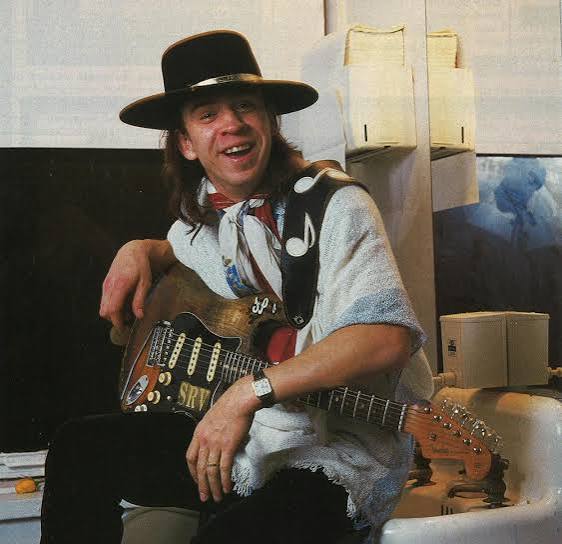
The Infamous Stevie Ray Vaughan Soundcheck
No crowd. No spectacle. Just Stevie Ray Vaughan checking levels at the Syria Mosque in 1986 — and sounding absolutely monstrous. What the footage reveals about tone, touch and the myth of the rig.

The Last 10%: Why You Can Copy a Famous Guitarist’s Entire Rig and Still Miss the Tone
You bought the guitar, the amp, and the pedals — so why doesn’t it sound right? The last 10 percent of guitar tone is the most important part, and it’s almost never about the gear list.