
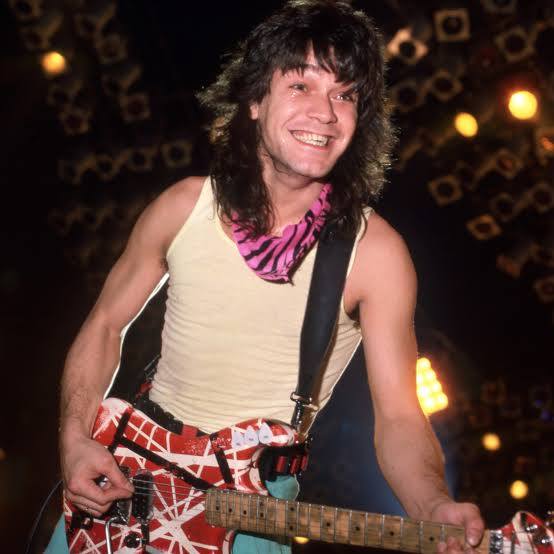
The Solo That Changed Guitar Forever: Inside Eddie Van Halen's Eruption
At just 102 seconds, Eddie Van Halen's Eruption rewired what a rock guitarist could do — a perfect collision of speed, feel, the legendary Brown Sound, and fearless innovation that still defines electric guitar nearly five decades later.
There are iconic guitar solos, and then there's Eruption.
Clocking in at just 102 seconds, Eddie Van Halen's instrumental showcase didn't just launch a career — it completely reset the expectations of what a rock guitarist could do. Nearly five decades later, players still study it note by note, chasing the impossible combination of speed, feel, innovation, and unmistakable tone that made it legendary.
It Was Never Supposed to Be a Song
One of rock's greatest recordings almost never happened. Eddie regularly played what would become Eruption as a warm-up before concerts, improvising sections backstage or while sound-checking. Producer Ted Templeman heard him running through the piece in the studio and immediately told him to record it.
The irony? Eddie reportedly wasn't even satisfied with it. He believed there were mistakes and wanted another take, but the version recorded that day had an energy that couldn't be manufactured. That spontaneous performance became one of the most influential recordings in rock history.
How Eruption Was Recorded
Despite its mythical status, Eruption wasn't built from endless edits and studio tricks. Much of what listeners hear is simply Eddie playing with astonishing confidence and creativity in real time. Rather than polishing every imperfection away, the recording captures the raw aggression and excitement that made Van Halen feel dangerous.
You can almost hear him discovering ideas as he plays. That sense of spontaneity is part of the magic. Instead of sounding clinical, Eruption feels alive.
Get Eddie Van Halen’s “Eruption” Tone
Tell ToneMD what guitar and gear you own and we’ll show you how to get as close as possible using the equipment you already have — full signal chain, real numbered settings, no guesswork.
Included with The Guitar Plugged Premium
Chasing the Brown Sound
No discussion of Eruption is complete without talking about Eddie's legendary 'Brown Sound.' For decades, players have tried to recreate it by buying new amps, pedals, pickups, and processors. The truth is that the recipe was surprisingly simple — and incredibly difficult to duplicate.
The biggest misconception is that Eddie simply used massive distortion. In reality, his tone retained remarkable clarity. Individual notes stayed articulate, harmonics jumped out effortlessly, and every tapped phrase remained defined instead of disappearing into saturated fuzz.
The amp mattered. The guitar mattered. But Eddie's hands mattered most. His vibrato, touch, timing, and attack remain impossible to clone.
X Concepts Strings • Made in USA
Never Run Out of Strings Again.
Join the X Concepts String Club and get fresh USA-made strings delivered every month—plus Premium membership options for the full Guitar Plugged experience.
The Rig — Decoded
Eddie's homemade hybrid — a Boogie Bodies ash body, maple neck, and a single PAF-style humbucker rewired for raw, articulate aggression.
A rewound PAF dipped in paraffin wax to kill squeal under high gain — the heart of the Brown Sound's clarity and harmonic bloom.
Cranked nearly all the way up — natural power-tube saturation, no master volume, no pedals doing the heavy lifting.
Eddie ran the Marshall through a Variac to drop wall voltage, browning out the amp for a thicker, slightly compressed feel and saving the tubes from instant death.
Used sparingly — Phase 90 for swirl, the Echoplex preamp for tape-warm midrange thickness ahead of the amp.
The most important piece of gear in the chain — vibrato, attack, palm muting, and tap articulation no rig has ever fully replicated.
“For countless guitarists, there is a simple timeline: before hearing Eruption, and after hearing Eruption.”
The Technique That Shocked the World
While Eddie didn't invent two-handed tapping, he introduced it to millions of listeners in a way nobody had ever experienced before. But reducing Eruption to tapping alone misses the point entirely.
The performance is a masterclass in legato phrasing, tremolo picking, artificial harmonics, wide intervallic ideas, dive bombs, blues vocabulary, classical-inspired phrasing, rhythmic precision, and fearless improvisation. Every technique serves the music rather than existing simply to impress. That's a huge reason the solo still feels exciting instead of dated.
Why It Still Inspires Players Today
Every generation has its defining guitar moments. For rock guitar, Eruption sits at the very top of that list. Its fingerprints can be heard in Steve Vai, Joe Satriani, Nuno Bettencourt, Paul Gilbert, Richie Kotzen, and thousands of players who grew up believing the impossible might actually be possible with enough practice.
Yet perhaps Eddie's greatest lesson wasn't technical at all. He played with joy. Even during the fastest passages, there's an unmistakable sense that he's simply having fun, and that personality radiates through every note.
Final Thoughts
The greatest solos don't just impress people. They inspire them. Eruption made millions of players pick up a guitar, rethink what they believed was possible, and spend countless hours chasing sounds that had never existed before 1978.
The gear became legendary. The Brown Sound became mythical. The techniques became iconic. But the real secret was Eddie Van Halen's willingness to ignore the rulebook entirely. That's why Eruption isn't just one of the greatest guitar solos ever recorded — it's one of the most important musical moments in rock history.
What to Remember
- ▸Eruption was almost never released — it started as a backstage warm-up Ted Templeman insisted on recording.
- ▸The Brown Sound came from a Frankenstrat, a cranked Marshall Super Lead, a Variac, a PAF humbucker, and Eddie's unmatched touch.
- ▸Tapping is only one piece — Eruption is a masterclass in legato, tremolo picking, harmonics, dive bombs, and dynamics.
- ▸Eddie's tone stayed clear and articulate, not buried in fuzz — clarity is the secret most players miss when chasing it.
- ▸Nearly five decades on, Eruption still defines the modern electric guitar vocabulary — and the joy in Eddie's playing is what keeps it alive.
Keep Exploring the Greatest Solos Ever Recorded
Eruption is one chapter in the story of rock's most iconic guitar moments. Dive deeper into note-by-note breakdowns from Jimmy Page, Randy Rhoads, Ritchie Blackmore, David Gilmour, and beyond in our Iconic Solos section on TheGuitarPlugged.
Some links are affiliate links — we may earn a small commission at no cost to you.
Experience-driven coverage, not algorithm bait.
- 20+ years of guitar playing experience
- Real-world retail experience at Guitar Center
- Thousands of hours testing guitars, amps, and pedals
- A community of 50,000+ guitar enthusiasts across platforms
- Partnerships with Fender, DistroKid, TrueFire, Card Chords, and Enya
- Editorial standards published openly — see how we test gear
The Modern Guitar Magazine. Delivered to your inbox.
No spam. No gimmicks. Just great guitar content — stories, tones, iconic solos, and honest gear takes. Every week.
Ask GP
3 free questions a dayStill curious? Ask GP about this story.
Your personal classic-rock and guitar guide — ask anything about The Solo That Changed Guitar.
Discussion (0)
Sign in to join the discussion.
Sign in to commentLoading comments…
Discover another guitar story
Swipe through our latest features, breaking news and iconic solos — one story at a time.
Open Swipe →More in Iconic Solos
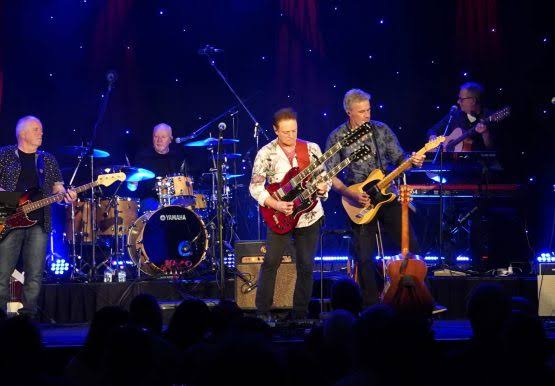
The Story Behind the "Hotel California" Guitar Solo: How Don Felder and Joe Walsh Created Rock's Greatest Guitar Duel
Nearly five decades on, the final minutes of the Eagles' "Hotel California" still stop guitarists in their tracks. Inside the composition, tone, and interplay of Don Felder and Joe Walsh's legendary dual-guitar finale.

10 Underrated Guitar Solos Every Player Should Learn
Ten overlooked guitar solos — from Larry Carlton to Derek Trucks — that will make you a better player through phrasing, feel, and note choice.
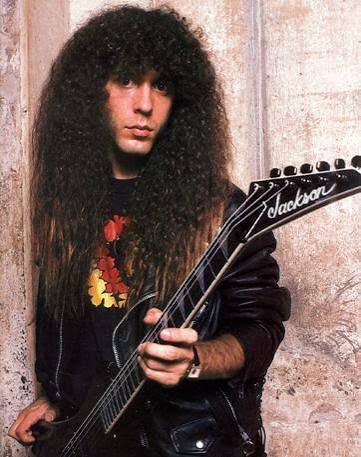
Iconic Solos: Marty Friedman's "Tornado of Souls" — The Crown Jewel of Thrash Guitar
More than 35 years later, Marty Friedman's solo on Megadeth's Tornado of Souls is still the gold standard for melodic shred — exotic phrasing, vocal-like bends, and an ending run that breaks brains.