
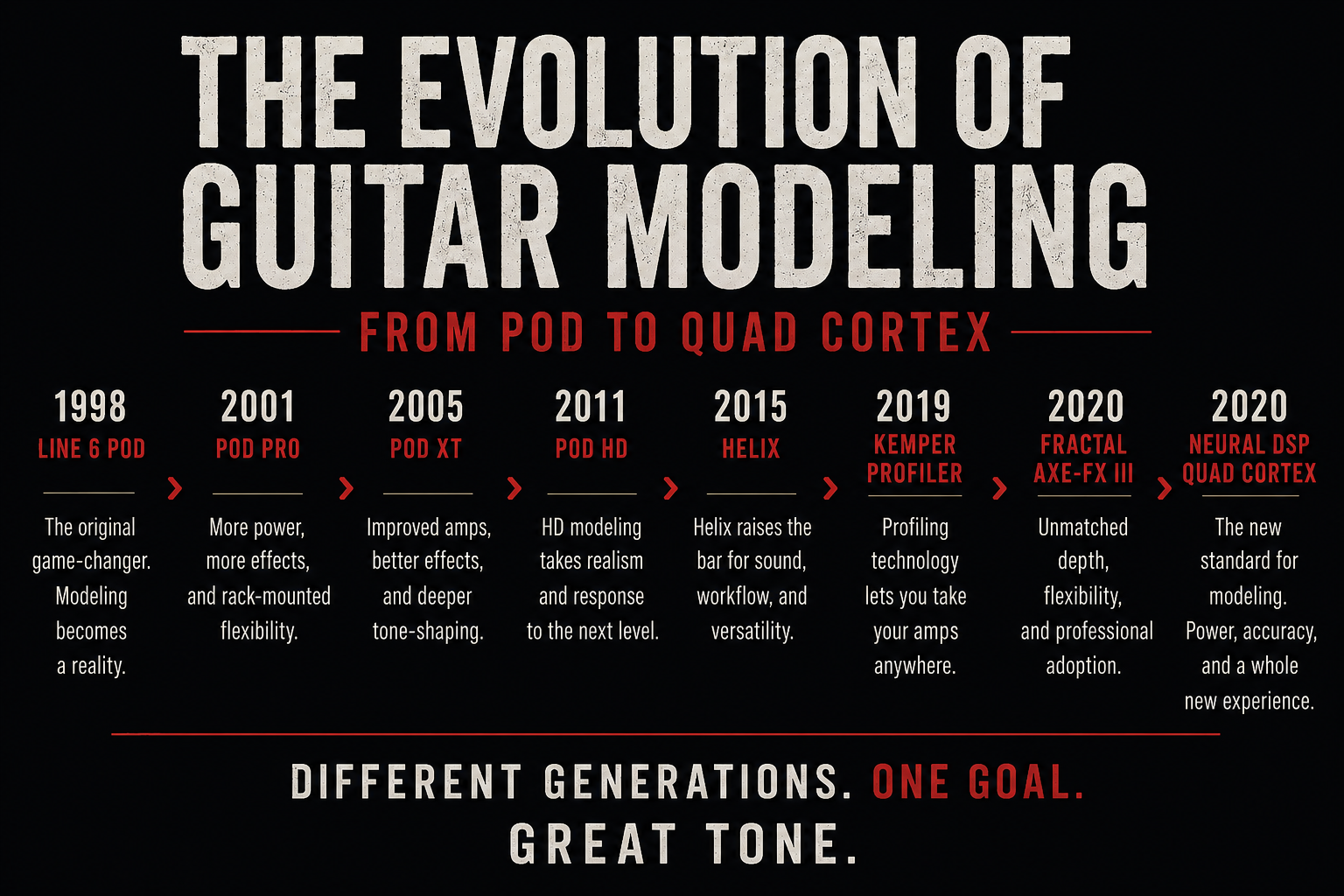
The Evolution of Guitar Modeling: From POD to Quad Cortex
How digital rigs went from bedroom practice tools to the centerpiece of the modern guitar world — from the original Line 6 POD to today's Neural DSP Quad Cortex.
For decades, the electric guitar has been inseparable from one thing: loud tube amplifiers. A Marshall stack, a Fender Twin, a Mesa/Boogie Dual Rectifier — these weren't just pieces of gear; they were part of a guitarist's identity.
Then digital modeling arrived.
At first, it was met with skepticism. Early units promised dozens of legendary amps in one box, but many players felt they lacked the feel, response, and complexity of real tubes. Yet every generation got better. Today, it's no longer unusual to see professional guitarists leaving their tube amps at home.
The journey from the original Line 6 POD to today's incredibly realistic processors has completely reshaped the guitar industry.
What to Remember
- ▸The original 1998 Line 6 POD made convincing recorded amp tones possible for players who couldn't crank a real amp at home.
- ▸Fractal Audio's Axe-Fx series was the tipping point — it finally delivered the feel and response tube-amp players demanded.
- ▸Kemper took a different route with profiling, letting guitarists capture their own favorite amp and take it anywhere.
- ▸Line 6 Helix (2015) brought pro-level modeling to a mainstream audience with a workflow players actually enjoyed.
- ▸The Neural DSP Quad Cortex reset expectations for compact floor units with neural capture and a growing cloud ecosystem.
- ▸Tube amps aren't dead — but modeling has earned its place on the biggest stages in the world.
The Original Revolution: Line 6 POD
When the original Line 6 POD arrived in 1998, it changed everything.
Its bright red kidney-bean-shaped housing looked unlike anything guitarists had ever seen, but inside was something revolutionary: software recreations of famous amplifiers.
For the first time, players could record convincing amp sounds without miking a cabinet.
Were the sounds perfect? Not even close by today's standards. But compared to the alternatives available at the time, it felt like the future.
Home recording suddenly became accessible to thousands of players who couldn't crank a 100-watt Marshall in an apartment.
The Rack Era
As technology improved, manufacturers expanded beyond desktop units.
Rack processors like the Line 6 POD Pro, Johnson Millennium, and early Digitech systems offered more routing, effects, and flexibility.
Touring musicians began experimenting with digital rigs, although many still paired them with traditional power amps and guitar cabinets.
Digital was becoming useful — but few believed it could fully replace tubes.
Fractal Audio Changed Everything
Everything changed when Fractal Audio entered the market.
The Axe-Fx series wasn't just another modeler. It modeled the behavior of entire amplifier circuits with incredible attention to detail.
Want This Tone?
Tell ToneMD what guitar and gear you own and we’ll show you how to get as close as possible using the equipment you already have — full signal chain, real numbered settings, no guesswork.
Included with The Guitar Plugged Premium
Players noticed something previous generations struggled to achieve: feel.
The amp responded to picking dynamics, guitar volume changes, and playing touch in a way that finally started convincing lifelong tube-amp players.
Before long, artists including John Petrucci, Steve Vai, and Metallica incorporated Fractal gear into professional touring and studio environments.
Once world-class touring acts embraced digital rigs, perceptions began to shift dramatically.
Kemper Took a Different Approach
Instead of modeling amplifiers mathematically, Kemper introduced profiling.
Rather than recreating a Marshall Plexi from scratch, players could capture the exact characteristics of their own amplifier.
It was a brilliant idea. Suddenly, guitarists could take their favorite boutique amp anywhere without risking expensive vintage equipment on tour.
Many professionals still swear by Kemper profiles today.
Helix Made Modeling Mainstream
When Line 6 Helix launched in 2015, digital modeling reached a much wider audience.
“The debate has shifted from 'Does digital sound good?' to 'Which digital platform fits my workflow best?'”
The interface was intuitive. The touchscreen-like workflow — paired with its large color display and scribble strips — made building presets dramatically easier.
The effects rivaled dedicated stompboxes. Most importantly, Helix struck an excellent balance between price, ease of use, and professional-quality sound.
For many players, it became the first digital processor they truly trusted on stage.
Neural DSP Raises the Bar
Then came the Neural DSP Quad Cortex.
Powered by an exceptionally fast processor and featuring neural capture technology, the Quad Cortex quickly became one of the most advanced floor units ever released.
Its touchscreen interface feels modern, captures are impressively accurate, and the growing cloud ecosystem allows players to share sounds around the world.
While debates continue over which modeler sounds "best," there's little question the Quad Cortex helped redefine expectations for what a compact floor unit could do.
The Software Revolution
Hardware isn't the only place modeling has evolved.
Companies like Neural DSP, STL Tones, MixWave, IK Multimedia, and Positive Grid have created plugins capable of producing studio-quality guitar tones entirely inside a computer.
For many recording musicians, physical amplifiers rarely get turned on anymore.
So…Are Tube Amps Dead?
Absolutely not.
Tube amplifiers still offer an experience many players love. Standing in front of a cranked amp moving air through a 4x12 cabinet is something digital still can't perfectly replicate.
But today's modelers have reached a point where the audience usually can't tell the difference — and often neither can the front-of-house engineer.
That's why countless touring professionals now choose modeling for its consistency, portability, silent recording capabilities, and reduced maintenance.
The debate has shifted from "Does digital sound good?" to "Which digital platform fits my workflow best?"
That alone says everything about how far the technology has come.
Final Thoughts
The story of guitar modeling isn't about replacing tube amplifiers. It's about giving players more choices than ever before.
From the humble red POD sitting on bedroom desks in the late '90s to today's Quad Cortex, Axe-Fx III, FM9, FM3, and Helix systems, digital technology has matured into something few guitarists could have imagined twenty-five years ago.
Whether you're a lifelong tube purist or someone who hasn't carried an amp to a gig in years, there's no denying one thing: guitar modeling has earned its place in modern music history.
If you want the deepest amp editing and legendary feel, Fractal (FM3/FM9) is still the tone connoisseur's pick. If you want the most modern workflow and neural capture in the smallest footprint, the Quad Cortex is the clear front-runner. If you want the friendliest on-ramp with pro results, Helix is impossible to beat. There's never been a better time to plug into digital.
Frequently Asked Questions
- Which guitar modeler sounds the most like a real tube amp?
- It depends on your ear and playing style. Fractal (FM3/FM9/Axe-Fx III) is widely praised for feel and response, Kemper's profiling captures the character of a specific amp, and the Neural DSP Quad Cortex is regarded as one of the most realistic modern flagships. All three are used on major tours right now.
- Is the Line 6 Helix still worth buying in 2026?
- Yes. Helix remains a professional-grade unit with regular firmware updates, a huge community, and one of the friendliest workflows in modeling. For many players it's still the best price-to-performance choice.
- What's the difference between the Fractal FM3 and FM9?
- Both use the same Axe-Fx III modeling. The FM3 has three footswitches and a compact footprint — perfect for smaller rigs. The FM9 has nine switches, more IO, and more DSP headroom, which makes it better suited to complex stage rigs.
- Does the Neural DSP Quad Cortex replace a full pedalboard?
- For most players, yes. It combines amp modeling, cab IRs, effects, and neural capture in one box, with expression and switching options that cover almost any live rig. Some players still run a favorite drive or fuzz in front of it, but that's personal preference.
- Are tube amps really becoming obsolete?
- Not at all. Tube amps still offer a physical, in-the-room experience that digital can't perfectly replicate. But for touring, silent recording, and consistency across venues, modeling has become the pragmatic choice for a huge portion of working guitarists.
Related Articles
Experience-driven coverage, not algorithm bait.
- 20+ years of guitar playing experience
- Real-world retail experience at Guitar Center
- Thousands of hours testing guitars, amps, and pedals
- A community of 50,000+ guitar enthusiasts across platforms
- Partnerships with Fender, DistroKid, TrueFire, Card Chords, and Enya
- Editorial standards published openly — see how we test gear
More gear deep-dives like this one
Weekly modeler reviews, tone breakdowns, and rig features — straight to your inbox.
The Modern Modeling Shortlist
The floor modelers we'd actually gig with in 2026 — from the compact FM3 to the flagship Quad Cortex. Every link is a Reverb affiliate deep link.
Fractal Audio FM3 Mk II Turbo
Editor's Choice. Axe-Fx III tone and feel in a compact three-switch floor unit — the modeler we recommend most often.
Check Current Price on Reverb →Neural DSP Quad Cortex
The most modern flagship on the market. Neural Capture, multi-touch UI, and Cortex Cloud in one compact box.
Check Current Price on Reverb →Line 6 Helix Floor
The mainstream benchmark. Fastest way to a great preset and a decade of trust on stages of every size.
Check Current Price on Reverb →Kemper Profiler Stage
Still the profiling king. Capture your favorite amp and take it anywhere in a proper floor form factor.
Check Current Price on Reverb →The Guitar Plugged may earn a commission if you purchase through affiliate links. This helps support independent guitar journalism at no extra cost to you.
There's no wrong answer here. Pick the workflow that makes you want to plug in — the tones are all in the top 1% of what modeling has ever sounded like.
Ask GP
3 free questionsQuestions about The Evolution of Guitar Modeling?
Get a straight answer from The Guitar Plugged's knowledge engine.
Discussion (0)
Sign in to join the discussion.
Sign in to commentLoading comments…
Discover another guitar story
Swipe through our latest features, breaking news and iconic solos — one story at a time.
Open Swipe →More in Signature Gear
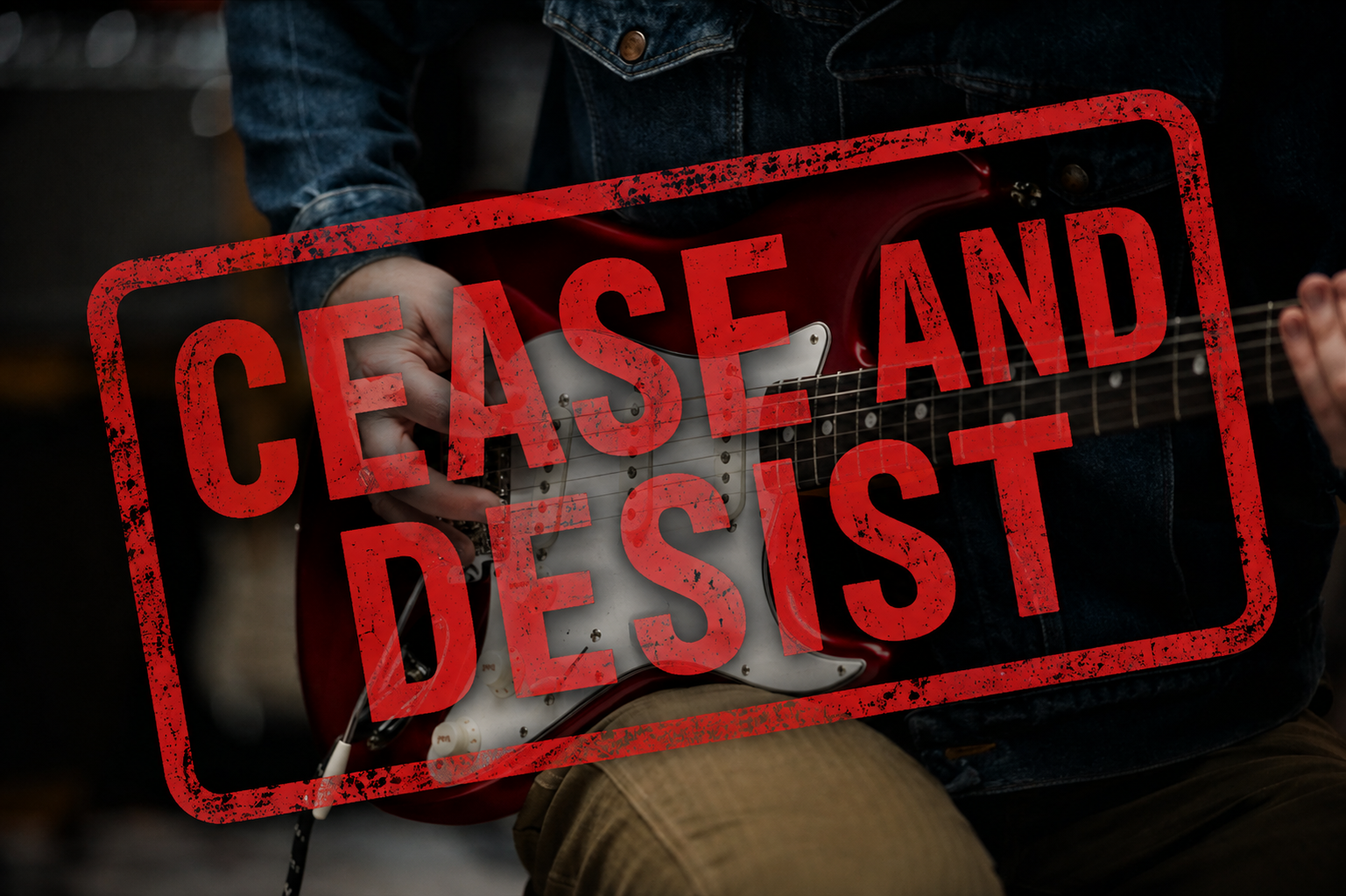
Fender's Strat Crackdown Is Already Changing Guitar Design — Is This What the Next S-Style Will Look Like?
LsL Instruments has shown its first new electric guitar since confirming it received a cease-and-desist tied to Fender's Stratocaster enforcement campaign — and the redesigned Saticoy 24 raises a much bigger question: if boutique builders can no longer lean on the Strat silhouette, does electric guitar design finally move again?
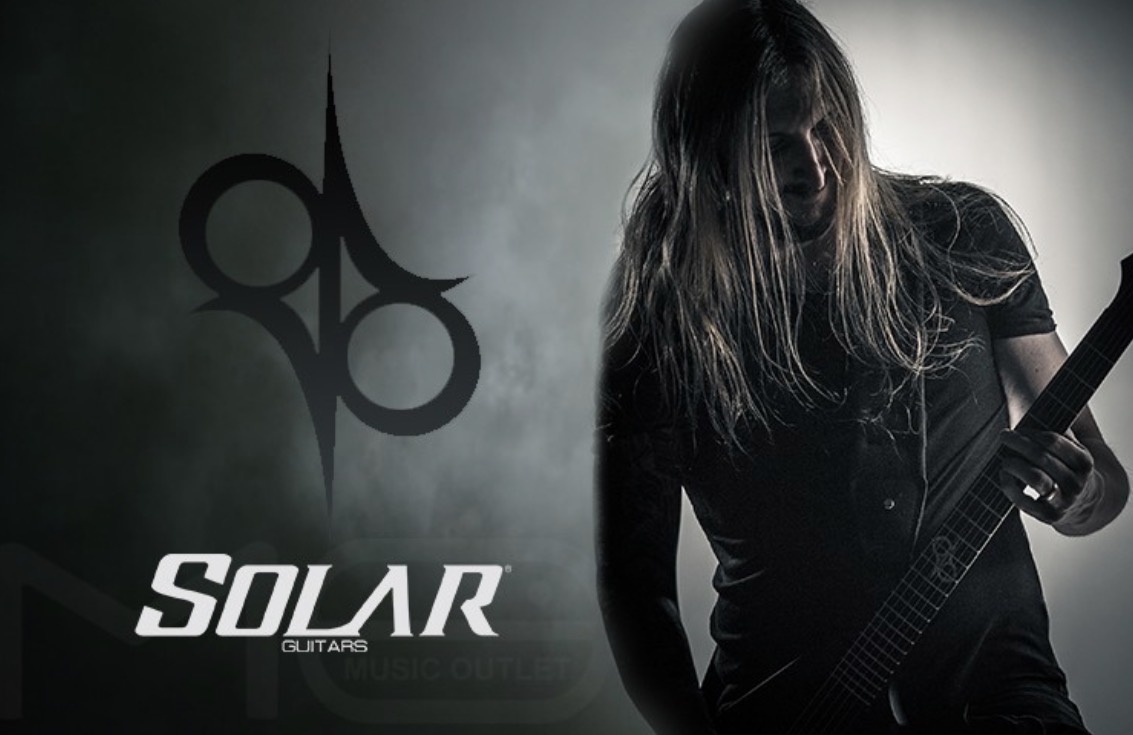
Does Any Guitarist Really Need 27 Frets? Solar's New ACS Makes the Case
Solar Guitars has put 27 frets on its new carved-body ACS models — a six-string at 25.5" and a seven-string at 26.5", both with stainless super-jumbo frets, Gotoh 1996 tremolos and set-thru necks. Here are the verified specs, plus the design question nobody in the launch coverage is asking: what do frets 25, 26 and 27 actually give a player, and what do they cost you further down the neck?
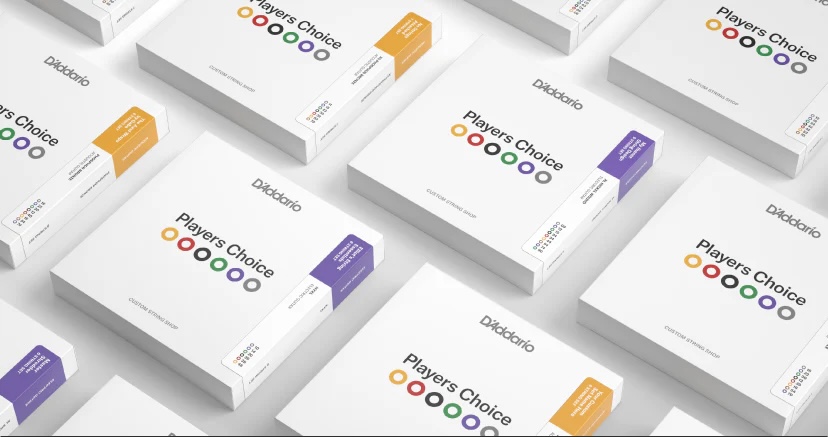
D'Addario's AI Guitar Controversy Is Bigger Than One String Demo — It's About Trust
D'Addario says no generative AI wrote or played the music in its NYXL HD string demo — but it has admitted the track was over-produced and that AI-assisted mastering tools were used. The row exposes a deeper problem: when a product's selling point is sound, how much production is too much before the demo stops being useful to players?