Tone Decoded: The Wild, Dangerous Sound of George Lynch
Before modern metal became polished and hyper-produced, George Lynch created a guitar tone that felt raw, unpredictable, and alive. Inside the snarling Dokken-era sound that still bites today.
Before modern metal became polished and hyper-produced, George Lynch created a guitar tone that felt raw, unpredictable, and alive.
His work with Dokken in the 1980s helped define an entire era of hard rock guitar tone. And somehow, it still sounds mean today.
What Makes George Lynch's Tone Different?
Unlike many polished shred players of the era, Lynch's tone had grit and attitude. It wasn't perfectly smooth. It snarled.
His sound combined aggressive upper mids, thick harmonics, loose saturation, controlled chaos, and huge sustain. That's why solos like "Mr. Scary" still sound dangerous decades later.
The Amps Behind the Madness
Lynch became heavily associated with hot-rodded Marshall amps. His tone often came from modified Marshall Super Leads, Soldano amps, Marshall Plexi-style circuits, and overdriven tube amps pushed extremely hard.
The key was volume and harmonic response, not excessive gain. His amps reacted dynamically to his picking attack, which made every riff feel explosive.
The Effects George Lynch Used
Lynch's effects setup helped shape his signature sound more than many people realize. Common effects included delay, chorus, phaser, wah pedal, and overdrive boosts.
Get George Lynch’s “Mr. Scary” Tone
Tell ToneMD what guitar and gear you own and we’ll show you how to get as close as possible using the equipment you already have — full signal chain, real numbered settings, no guesswork.
Included with The Guitar Plugged Premium
Unlike ultra-clean studio players, Lynch often embraced imperfections and feedback. That unpredictability became part of the magic.
The Dokken Years Built the Sound
Lynch's reputation was made across Dokken's mid-'80s run — Breaking the Chains, Tooth and Nail, Under Lock and Key, and Back for the Attack — records that sit in an unusual place in the era's guitar history. The songs were built like melodic hard rock, with big vocal hooks, but the guitar playing underneath them was closer to metal: darker note choices, heavier vibrato, and riffs that rarely settled for open-chord filler.
That tension is a big part of why the tone reads the way it does. Lynch had to cut through polished, layered arena production without softening his attack, so the guitar sound skews mid-forward and slightly abrasive rather than scooped and modern. "Mr. Scary" is the obvious showcase, but the rhythm tracks are the real study — listen to how much of the aggression comes from picking dynamics instead of gain.
X Concepts Strings • Made in USA
Never Run Out of Strings Again.
Join the X Concepts String Club and get fresh USA-made strings delivered every month—plus Premium membership options for the full Guitar Plugged experience.
The Vibrato Is the Signature
Ask players who have spent time transcribing Lynch and they'll usually land on the same thing: it's the vibrato. It's wide, fast, and applied to notes most players would leave alone, including short passing notes in the middle of a fast run. That habit makes even his quickest lines sound vocal instead of mechanical.
“George Lynch proved that great guitar tone doesn't need to sound perfect. It needs personality.”
There's also his relationship with harmonics. Pinch harmonics, feedback squeals, and the occasional intentionally ugly note are all part of the vocabulary. Where a lot of '80s virtuosos were auditioning for precision, Lynch was chasing danger — a phrase that sounds like marketing until you A/B his solos against his contemporaries and hear how much closer to the edge he plays.
The Signature Guitars
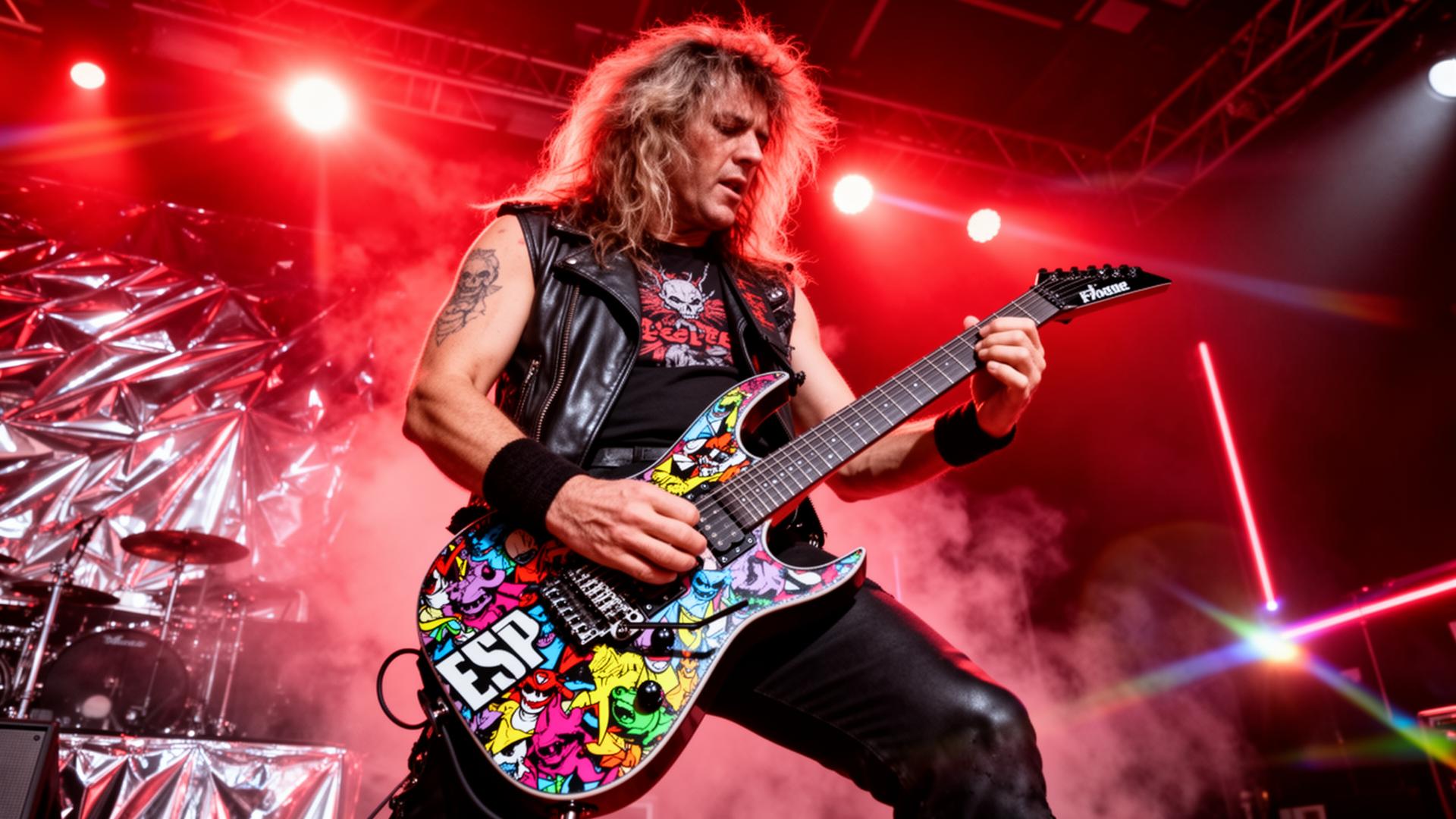
Lynch's wild-looking ESP guitars became iconic in the 1980s metal scene. Many featured high-output humbuckers, Floyd Rose tremolos, aggressive pickup voicing, and unique graphic finishes.
Combined with his heavy vibrato and aggressive phrasing, the guitars helped create a tone that felt almost unstable — in the best way possible.
The Kamikaze and the skull-and-snakes graphics became as recognizable as the riffs, but the functional part of the recipe is the pickup and the bridge. A hot bridge humbucker with an upper-midrange peak — the Seymour Duncan Screamin' Demon that carries his name is voiced exactly that way — plus a locking trem for the dive-bombs and flutters he treats as punctuation rather than novelty.
Budget George Lynch Rig
To get in the ballpark without vintage gear: a Marshall DSL or Plexi-style amp, an overdrive pedal pushing the front end, a chorus pedal, and a humbucker-equipped superstrat.
Keep the gain lower than expected and turn the mids up. Lynch's tone lives in the upper midrange bite and harmonic response.
A few dial-in notes worth trying. Set the amp gain where power chords still sound slightly ragged rather than compressed, then use a clean boost — not a distortion pedal — to add saturation and sustain. Keep presence high enough that pick attack stings. Add chorus after the gain stage, not before, and use less of it than the era's records suggest; the modulation should widen the sound, not blur it. Then play harder. Most of the missing aggression in a Lynch-style tone is in the right hand, not the amp.
Life After Dokken
Lynch Mob, the Lynch/Pilson collaborations, and a long run of side projects kept him working long after the arena-rock economy collapsed, and the tone travelled with him. Modern Lynch recordings sit heavier and drier than the '80s material, but the fingerprints are identical: the vibrato, the harmonic squeals, the refusal to clean anything up.
Why George Lynch's Tone Still Matters
George Lynch proved that great guitar tone doesn't need to sound perfect. It needs personality.
His sound feels human, reckless, and exciting — and that's exactly why guitar players still love it today. In an era where a laptop can serve up a flawless high-gain tone in seconds, the most useful thing a guitarist can take from Lynch is permission to let the rough edges stay in.
- Marshall DSL40CR Tube Combo$899·Check on Amazon →
- MXR M133 Micro Amp Boost$89·Check on Amazon →
- Seymour Duncan Screamin' Demon Humbucker$129·Check on Amazon →
Some links are affiliate links — we may earn a small commission at no cost to you.
Experience-driven coverage, not algorithm bait.
- 20+ years of guitar playing experience
- Real-world retail experience at Guitar Center
- Thousands of hours testing guitars, amps, and pedals
- A community of 50,000+ guitar enthusiasts across platforms
- Partnerships with Fender, DistroKid, TrueFire, Card Chords, and Enya
- Editorial standards published openly — see how we test gear
The Modern Guitar Magazine. Delivered to your inbox.
No spam. No gimmicks. Just great guitar content — stories, tones, iconic solos, and honest gear takes. Every week.
Ask GP
3 free questions a dayStill curious? Ask GP about this story.
Your personal classic-rock and guitar guide — ask anything about The Wild, Dangerous Sound of.
Discussion (0)
Sign in to join the discussion.
Sign in to commentLoading comments…
Discover another guitar story
Swipe through our latest features, breaking news and iconic solos — one story at a time.
Open Swipe →More in Tone Decoded
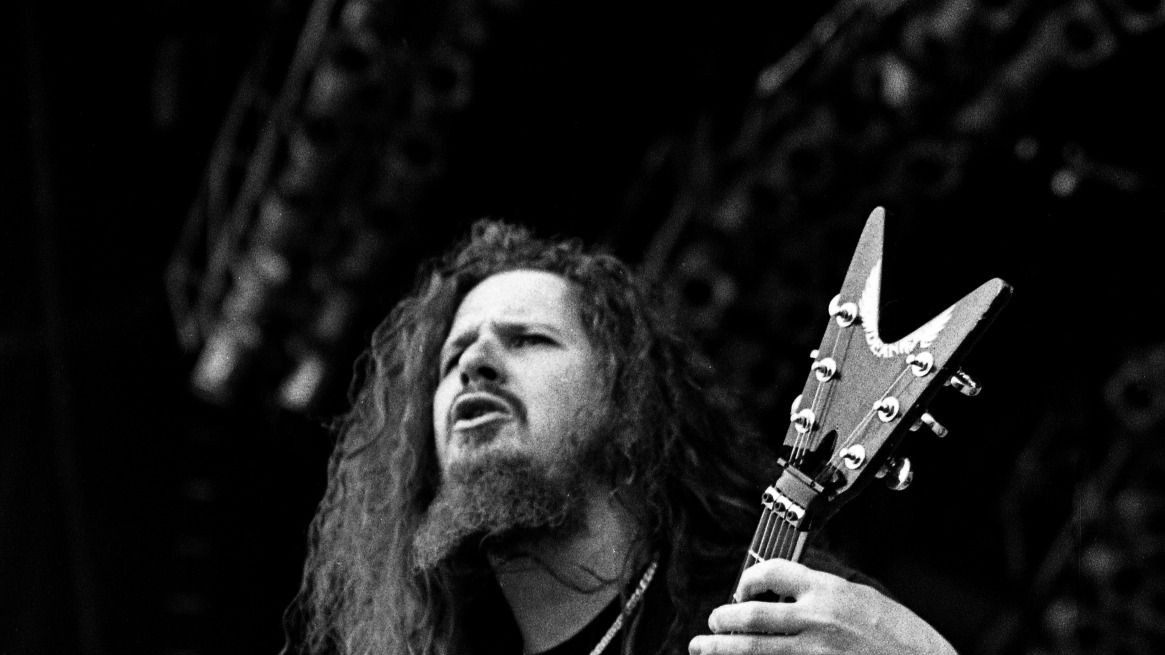
Dimebag Darrell Didn't Just Make Metal Heavier—He Made It Swing
Inside the fearless Texas guitar language, brutal-but-musical tone, and melodic instinct that made Dimebag Darrell impossible to imitate — and impossible to replace.
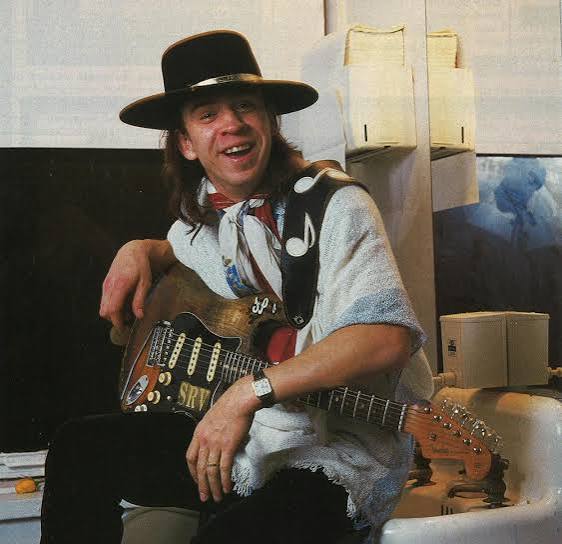
The Infamous Stevie Ray Vaughan Soundcheck
No crowd. No spectacle. Just Stevie Ray Vaughan checking levels at the Syria Mosque in 1986 — and sounding absolutely monstrous. What the footage reveals about tone, touch and the myth of the rig.
The Last 10%: Why You Can Copy a Famous Guitarist’s Entire Rig and Still Miss the Tone
You bought the guitar, the amp, and the pedals — so why doesn’t it sound right? The last 10 percent of guitar tone is the most important part, and it’s almost never about the gear list.