
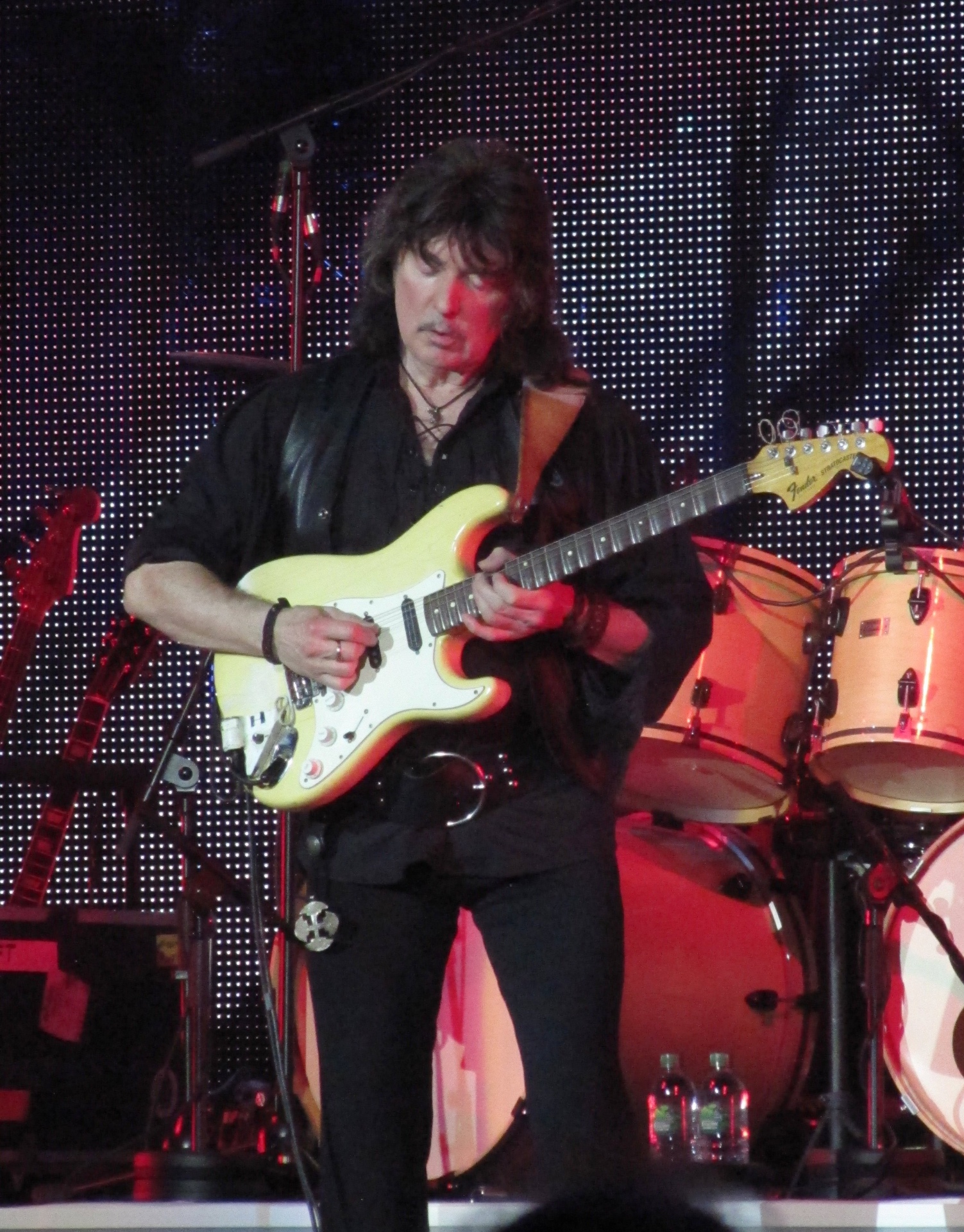
The Highway Star Solo: 50 Years Later and Still Untouchable
More than five decades after Machine Head dropped in 1972, Ritchie Blackmore's solo on Deep Purple's 'Highway Star' still sets the bar for melodic, classically-influenced rock guitar.
Rock guitar has produced countless legendary solos over the decades. From Eddie Van Halen's revolutionary work on 'Eruption' to David Gilmour's emotional masterpiece in 'Comfortably Numb,' guitarists have spent generations debating which solo deserves the crown.
Yet more than fifty years after its release, one performance continues to stand above the rest: the guitar solo in Deep Purple's 'Highway Star.'
Released in 1972 on the landmark album Machine Head, 'Highway Star' wasn't just another great rock solo — it was a glimpse into the future. At a time when most guitarists were drawing heavily from blues vocabulary, Ritchie Blackmore brought classical influences, precision picking, and blistering speed into mainstream rock. The result was a solo that still sounds fresh, exciting, and nearly impossible to top more than five decades later.
How the Solo Came to Life
One of the reasons the 'Highway Star' solo remains so compelling is that it wasn't simply improvised in the studio. Blackmore approached the solo much like a composer would approach a piece of classical music. Inspired by Bach and Vivaldi, he built the solo around chord tones, harmonic movement, and carefully crafted melodic ideas.
Rather than relying solely on pentatonic scales and blues licks, Blackmore created phrases that followed the song's underlying chord progression. The famous ascending sequences and rapid-fire runs sound almost orchestral in their construction.
This approach would later become the foundation of what guitarists would call 'neoclassical' playing, influencing generations of players from Yngwie Malmsteen to Paul Gilbert and John Petrucci. Listening today, it's hard to believe this solo was recorded in 1972.
Get Ritchie Blackmore’s “Highway Star” Tone
Tell ToneMD what guitar and gear you own and we’ll show you how to get as close as possible using the equipment you already have — full signal chain, real numbered settings, no guesswork.
Included with The Guitar Plugged Premium
The Gear Behind the Magic
Like many iconic tones from the golden age of rock, the setup was surprisingly simple. The tone isn't saturated with gain by modern standards — instead, it's articulate, dynamic, and incredibly responsive. Every note cuts through the mix with clarity, allowing listeners to hear every detail of Blackmore's picking and phrasing. It's a reminder that legendary tone often comes from the player's hands more than the gear itself.
The Rig — Decoded
Maple neck with vintage single-coil pickups — the foundation of Blackmore's bright, cutting tone.
Pushed hard for natural amplifier overdrive — no pedals doing the heavy lifting.
Classic British speakers that gave the rig its iconic midrange punch and articulation.
Studio tone is essentially guitar straight into a cranked amp. Occasional tape delay on stage for ambience.
X Concepts Strings • Made in USA
Never Run Out of Strings Again.
Join the X Concepts String Club and get fresh USA-made strings delivered every month—plus Premium membership options for the full Guitar Plugged experience.
Why It Still Holds Up Today
“Many players consider 'Highway Star' to be one of the first true shred solos ever recorded.”
It Was Decades Ahead of Its Time. The most impressive thing about the 'Highway Star' solo isn't the speed — it's when the speed happened. In 1972, most rock guitar solos were still heavily blues based. Blackmore introduced alternate-picked sequences, arpeggio-driven lines, and classical-inspired phrasing years before the shred movement would dominate the guitar world.
Every Note Matters. Fast playing is easy to appreciate. Meaningful fast playing is much harder. The genius of Blackmore's solo is that every phrase serves the song. The lines follow the harmony, create tension, and resolve naturally. Nothing feels random or excessive. The solo is technical without ever sounding like an exercise.
It Tells a Story. The greatest solos have a beginning, middle, and end. 'Highway Star' starts with confident melodic statements before gradually increasing in intensity. Each section builds on the last until the solo reaches a thrilling climax that feels completely earned. It's a masterclass in musical storytelling.
The Influence Is Everywhere. Listen closely to Yngwie Malmsteen, Steve Vai, Joe Satriani, Paul Gilbert, John Petrucci, or countless modern shredders, and you'll hear traces of Blackmore's influence. The marriage of classical ideas and rock guitar that became a cornerstone of modern lead playing can be traced directly back to performances like this one. The solo didn't just stand the test of time — it helped shape the future.
The Final Verdict
Fifty years later, guitar technology has evolved dramatically. Players have access to modelers, digital effects, boutique amplifiers, and virtually unlimited educational resources. Yet despite all those advances, the 'Highway Star' solo remains one of the most thrilling guitar performances ever captured.
It's technical without being cold. Melodic without being predictable. Fast without being excessive. Most importantly, it's unforgettable.
Whether you're a beginner learning your first scales or a seasoned player chasing the next level of musicianship, 'Highway Star' is essential listening. Because while many solos have come close, few have matched what Ritchie Blackmore accomplished in just a few minutes of music. Fifty years later, it remains untouchable.
What to Remember
- ▸Released in 1972 on Machine Head, 'Highway Star' helped invent neoclassical rock guitar.
- ▸Blackmore composed the solo around chord tones and harmony — not pentatonic blues licks.
- ▸The rig was simple: a Strat into a cranked Marshall Major. The hands did the rest.
- ▸Every phrase serves the song, building tension and resolving like a classical composition.
- ▸Its DNA shows up in Yngwie Malmsteen, Steve Vai, Joe Satriani, Paul Gilbert, and John Petrucci.
- ▸Fifty years on, it's still one of the greatest guitar solos of all time — and arguably the first true shred solo.
Some links are affiliate links — we may earn a small commission at no cost to you.
Experience-driven coverage, not algorithm bait.
- 20+ years of guitar playing experience
- Real-world retail experience at Guitar Center
- Thousands of hours testing guitars, amps, and pedals
- A community of 50,000+ guitar enthusiasts across platforms
- Partnerships with Fender, DistroKid, TrueFire, Card Chords, and Enya
- Editorial standards published openly — see how we test gear
The Modern Guitar Magazine. Delivered to your inbox.
No spam. No gimmicks. Just great guitar content — stories, tones, iconic solos, and honest gear takes. Every week.
Ask GP
3 free questions a dayStill curious? Ask GP about this story.
Your personal classic-rock and guitar guide — ask anything about The Highway Star Solo.
Discussion (0)
Sign in to join the discussion.
Sign in to commentLoading comments…
Discover another guitar story
Swipe through our latest features, breaking news and iconic solos — one story at a time.
Open Swipe →More in Iconic Solos
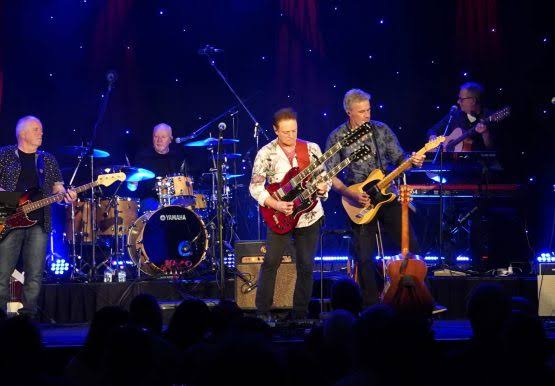
The Story Behind the "Hotel California" Guitar Solo: How Don Felder and Joe Walsh Created Rock's Greatest Guitar Duel
Nearly five decades on, the final minutes of the Eagles' "Hotel California" still stop guitarists in their tracks. Inside the composition, tone, and interplay of Don Felder and Joe Walsh's legendary dual-guitar finale.

10 Underrated Guitar Solos Every Player Should Learn
Ten overlooked guitar solos — from Larry Carlton to Derek Trucks — that will make you a better player through phrasing, feel, and note choice.
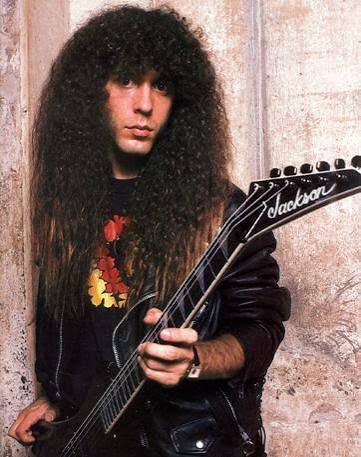
Iconic Solos: Marty Friedman's "Tornado of Souls" — The Crown Jewel of Thrash Guitar
More than 35 years later, Marty Friedman's solo on Megadeth's Tornado of Souls is still the gold standard for melodic shred — exotic phrasing, vocal-like bends, and an ending run that breaks brains.