

History of the Riff: ZZ Top’s “La Grange” — The Texas Boogie Riff That Refused to Sit Still
There are riffs that impress you with complexity — and then there are riffs that make complexity irrelevant. Inside ZZ Top’s “La Grange” and the Texas boogie that guitarists still can’t get to sit just right.
There are guitar riffs that impress you with complexity.
And then there are riffs that make complexity completely irrelevant.
The opening guitar figure to ZZ Top’s “La Grange” belongs firmly in the second category.
On paper, there isn’t much to it. A blues-rooted boogie pattern. A handful of notes. A groove that reaches backward through decades of American blues music.
But put a guitar in someone’s hands and ask them to make it sound like Billy Gibbons?
That’s where things get difficult.
Because “La Grange” isn’t really about what Billy Gibbons plays.
It’s about how he plays it.
The shuffle. The restraint. The tiny spaces between the notes. The way the guitar seems to lean backward against the beat before snapping forward again. The dry, snarling tone that somehow sounds enormous without being buried under distortion.
Released in 1973 on ZZ Top’s Tres Hombres, “La Grange” became one of the defining songs of the band's career and one of rock guitar’s great examples of an old musical language being transformed by the player speaking it.
More than half a century later, guitarists are still trying to get that opening riff to sit just right.
Welcome to History of the Riff.
This is the story of “La Grange.”
What to Remember
- ▸La Grange is built on a simple blues boogie pattern, but the feel is what makes it iconic.
- ▸Billy Gibbons' tone comes from a Les Paul-style humbucker guitar and a responsive tube amp, not excessive gain.
- ▸The groove depends on space, shuffle, and the rhythm section leaving room for each other.
- ▸The song grows from a restrained boogie into a full Texas blues-rock assault.
- ▸The lesson for guitarists: fewer notes played with the right feel beat complexity.
Before “La Grange,” There Was the Boogie
To understand “La Grange,” you have to understand that its musical DNA didn't suddenly appear in a Texas recording studio in the early 1970s.
The riff belongs to a much older blues tradition.
One of the most important reference points in that lineage is John Lee Hooker’s “Boogie Chillen,” first recorded in the late 1940s. Hooker’s hypnotic approach to the boogie was built less around elaborate chord changes and more around repetition, rhythm and feel.
The groove was the song.
That concept would echo through blues and rock for decades.
By the time ZZ Top recorded “La Grange,” the boogie had become part of the vocabulary of electric guitar music. But Billy Gibbons, Dusty Hill and Frank Beard didn't simply treat that vocabulary as a museum piece.
They made it sound like Texas.
There was eventually a legal dispute over similarities between “La Grange” and “Boogie Chillen.” The history of that case is complicated, involving questions of copyright status as well as the originality of the ZZ Top recording.
What matters musically is easier to hear.
“La Grange” clearly lives within the boogie tradition that came before it.
But what ZZ Top did with that tradition became unmistakably their own.
The federal courts would later wrestle with exactly that distinction. In a separate 1999 copyright case involving Chrysler’s use of “La Grange,” a federal district court concluded that ZZ Top had contributed original elements to the common idea of the riff and recognized the song—including its riff—as protectable.
That feels appropriate.
Because you can trace the roots of “La Grange.”
But when Billy Gibbons starts playing it, you know exactly who you're listening to.
Three Musicians, One Groove
The brilliance of “La Grange” becomes clearer when you stop listening to the guitar by itself.
Billy Gibbons may play the riff, but ZZ Top makes it work.
Dusty Hill’s bass doesn't fight for attention.
Frank Beard doesn't overwhelm the track.
Everyone leaves room.
That space is crucial.
Listen to the opening of the recording and notice how relaxed everything feels. The band isn't rushing to prove anything. The riff repeats and settles into the pocket until it becomes almost hypnotic.
Then the tension begins to build.
The guitar gets meaner.
The rhythm section pushes harder.
And eventually, the song erupts.
That dynamic journey is one of the reasons “La Grange” still works so well. It begins with something almost primitive in its simplicity and gradually turns it into a full-scale Texas blues-rock assault.
The song doesn't need dozens of chord changes.
It needs momentum.
ZZ Top understood that sometimes the most powerful thing a rock band can do is find the right groove and refuse to let go.
Why the Riff Is Harder Than It Sounds
Thousands of guitarists can play the notes to “La Grange.”
Far fewer can play the riff convincingly.
The difference is feel.
The riff needs to swing.
Play it too straight and it loses its personality.
Play it too aggressively and it becomes stiff.
Add too much distortion and the rhythmic detail starts disappearing.
Get Billy Gibbons’ “La Grange” Tone
Tell ToneMD what guitar and gear you own and we’ll show you how to get as close as possible using the equipment you already have — full signal chain, real numbered settings, no guesswork.
Included with The Guitar Plugged Premium
Rush the notes and the entire thing falls apart.
Billy Gibbons’ playing has always existed in that difficult territory where precision and looseness meet. He sounds relaxed without sounding careless. His phrasing can feel almost behind the beat, yet the groove never loses momentum.
That is one of the great lessons hidden inside “La Grange.”
A riff doesn't have to be complicated to be difficult.
Sometimes the fewer notes you play, the more exposed every decision becomes.
Your timing matters more.
Your pick attack matters more.
Your muting matters more.
The length of every note matters more.
And the silence between those notes might matter most of all.
There is nowhere to hide.
The Billy Gibbons Factor
Billy Gibbons has one of the most recognizable guitar personalities in rock history.
You don't need a complicated passage to identify him.
Sometimes you only need a few notes.
His playing combines blues phrasing, Texas swagger, unusual rhythmic instincts and an obsession with tone. He can make a simple phrase sound enormous because he understands how much information can be packed into a single note.
That philosophy is all over “La Grange.”
The riff doesn't sound like an exercise.
It sounds conversational.
Almost vocal.
Gibbons attacks certain notes harder than others. He allows some to breathe while cutting others short. The guitar interacts with the rhythm section instead of simply sitting on top of it.
That's why learning “La Grange” from tablature can only take you so far.
Tab can tell you where to put your fingers.
It can't give you the pocket.
The Tone: Less Gain, More Guitar
One of the easiest mistakes guitarists make when chasing classic rock tones is using too much gain.
“La Grange” is a perfect example of why that can be a problem.

X Concepts Strings • Made in USA
Never Run Out of Strings Again.
Join the X Concepts String Club and get fresh USA-made strings delivered every month—plus Premium membership options for the full Guitar Plugged experience.
The power of the guitar sound comes from its attack and midrange character—not from drowning every note in saturation.
You want enough drive for the notes to bite.
You want enough sustain for the lead playing to sing.
But you still need to hear the guitar.
The pick attack should survive.
The dynamics should survive.
When you dig in, the sound should respond.
Back off, and it should clean up.
That kind of responsiveness is central to the Billy Gibbons approach.
“A riff doesn’t have to be complicated to be difficult.”
A humbucker-equipped guitar is a natural starting point for chasing the general territory, particularly something with the thick midrange associated with a Les Paul-style instrument. Pair that with a British-flavored tube amp or a convincing amp model, push it into overdrive and resist the temptation to turn every gain control to ten.
Then work on your hands.
Because that's where the final 20 percent lives.
Maybe more.
When “La Grange” Changes Gears
The opening groove could have carried an entire song.
ZZ Top had other plans.
As “La Grange” progresses, the track shifts from restrained boogie into something far more aggressive. Gibbons' lead playing becomes the release valve for all the tension created during the opening sections.
The guitar begins to howl.
The phrases get hotter.
The band feels increasingly dangerous.
Yet even when Gibbons lets loose, his playing remains rooted in the blues.
This isn't technical guitar playing for the sake of technical guitar playing.
The bends have purpose.
The vibrato has personality.
The phrasing tells a story.
It's a reminder that speed and complexity are only two tools available to a guitarist.
Gibbons had something arguably more difficult to develop.
A voice.
The Riff That Connects Generations
One reason “La Grange” has endured is that it acts as a bridge.
Follow the riff backward and you arrive at the electric blues tradition and John Lee Hooker.
Stand in 1973 and you hear ZZ Top turning that language into muscular Texas blues rock.
Move forward and you can hear the same philosophy—groove first, attitude second, notes third—running through generations of blues-rock guitarists.
That's how guitar music evolves.
The greatest players rarely invent an entirely new musical language from nothing.
They absorb what came before them.
Then they change the accent.
Billy Gibbons didn't need to abandon the blues to create something recognizable.
He simply had to sound like Billy Gibbons.
What Guitarists Can Learn From “La Grange”
If you're learning the riff, don't make speed your first goal.
Make feel your first goal.
Start slower than the record.
Listen carefully to the spaces between the notes.
Pay attention to which notes ring and which are cut short.
Listen to how the guitar locks into the drums.
Try using less gain than you think you need.
Then record yourself.
That's important.
A riff can feel great while you're playing it and sound completely different when you listen back.
The goal isn't simply to reach the end without making a mistake.
The goal is to make someone recognize the song from the first few seconds.
That's the standard “La Grange” sets.
The Genius of Keeping It Simple
Guitar culture often celebrates difficulty.
More notes.
More speed.
More complicated techniques.
More expensive gear.
But some of the greatest riffs in history are reminders that none of those things guarantee memorable music.
“La Grange” works because everything serves the groove.
Remove the feel and you're left with a simple pattern.
Put the feel back in and suddenly you have one of the most recognizable openings in blues rock.
That's the difference between playing notes and playing music.
Billy Gibbons understood it.
Dusty Hill understood it.
Frank Beard understood it.
And together, ZZ Top turned a deeply rooted blues vocabulary into something that could only have come from them.
The riff isn't trapped in 1973.
It still sounds dangerous.
It still makes guitarists reach for the nearest six-string.
And it still teaches the same lesson every time that opening groove kicks in:
You don't always need more notes.
Sometimes you just need the right ones.
Played the right way.
Build Your Own Guitar Goals
Inspired to finally learn the riffs you've been putting off?
The Guitar Goal Planner from The Guitar Plugged is designed to help guitarists turn those “one day I'll learn that” ideas into actual progress. Track the songs you're learning, set practice goals and keep your playing moving forward.
As an Amazon Associate, The Guitar Plugged may earn from qualifying purchases.
Get Closer to the “La Grange” Sound
Want to explore the gear that can get you into the general territory of Billy Gibbons' thick, bluesy Texas-rock sound?
Affiliate disclosure: The Guitar Plugged may earn a commission when you purchase through qualifying links, at no additional cost to you.
Support The Guitar Plugged
Help Keep Guitar Music Alive.
The Guitar Plugged is dedicated to the riffs, solos, tones and stories that made guitar music legendary—and the players carrying it forward.
Support The Guitar Plugged on The Guitar Plugged Premium and become part of what we cover next, from History of the Riff and Tone Decoded to Iconic Solos and future deep dives.
What riff should we explore next?
Drop your pick in the comments. If there's a legendary riff with a story worth telling, it might become the next installment of History of the Riff.
Shop “La Grange”–Inspired Gear
Some links may be affiliate links. We may earn a small commission at no cost to you.
Experience-driven coverage, not algorithm bait.
- 20+ years of guitar playing experience
- Real-world retail experience at Guitar Center
- Thousands of hours testing guitars, amps, and pedals
- A community of 50,000+ guitar enthusiasts across platforms
- Partnerships with Fender, DistroKid, TrueFire, Card Chords, and Enya
- Editorial standards published openly — see how we test gear
Get More History of the Riff
Deep dives into the guitar riffs that changed rock — delivered straight to your inbox.
Ask GP
3 free questions a dayStill curious? Ask GP about this story.
Your personal classic-rock and guitar guide — ask anything about ZZ Top’s “La Grange”.
Discussion (0)
Sign in to join the discussion.
Sign in to commentLoading comments…
Discover another guitar story
Swipe through our latest features, breaking news and iconic solos — one story at a time.
Open Swipe →More in Guitar Talk
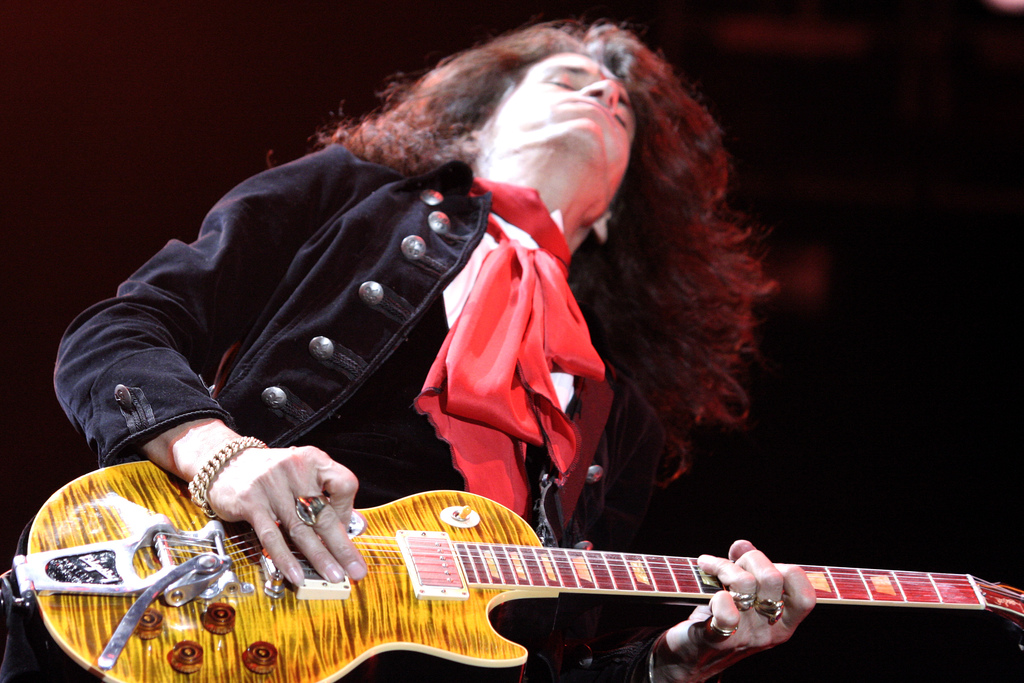
Happy Birthday, Joe Perry: The Riff Machine Who Gave Aerosmith Its Swagger
Joe Perry turns 76 today. From the swampy grind of “Sweet Emotion” to the reunion that saved a band, this is the career of the guitarist who taught American hard rock how to strut.
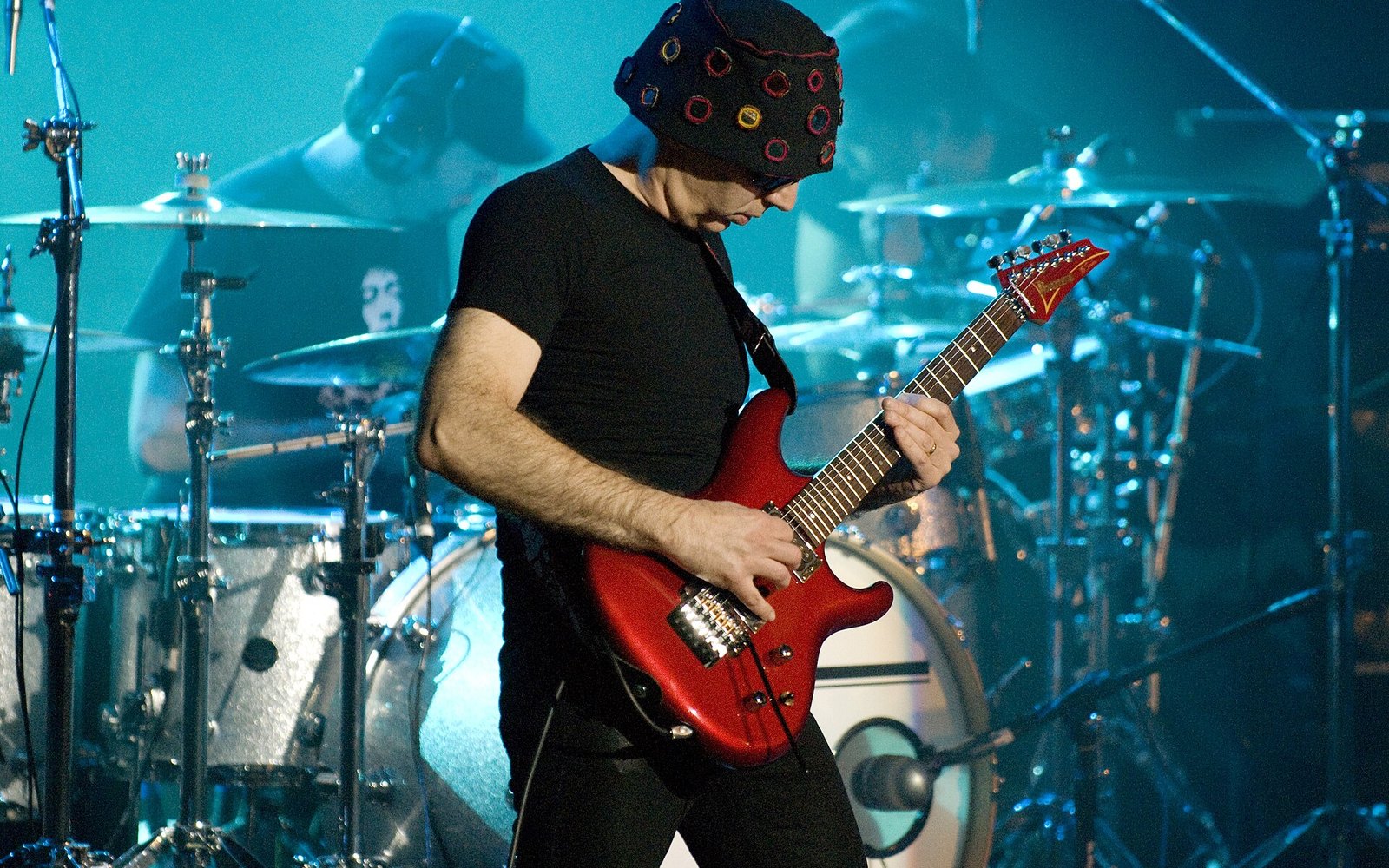
History of the Riff: How Joe Satriani Made “Flying in a Blue Dream” Feel Weightless
An acoustic guitar in an unusual tuning, a stray broadcast and a melody that seems to hang in the air: inside the construction of Satriani’s 1989 masterpiece.
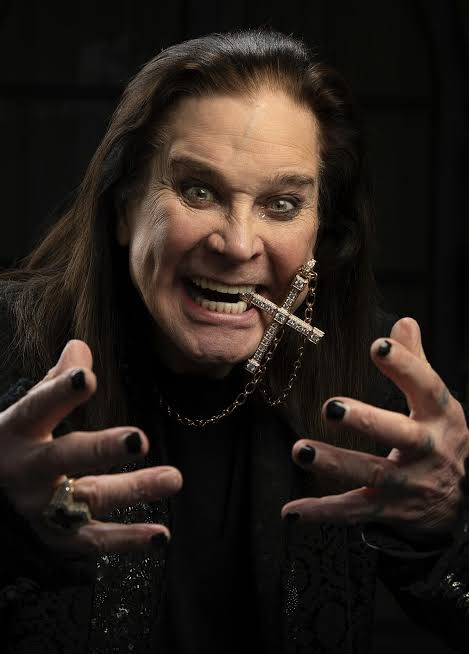
Tony Iommi Opens Up About His Final Conversation With Ozzy Osbourne: “I Still Can't Get It in My Head”
The Black Sabbath guitarist says Ozzy was exhausted after the band's emotional farewell — but determined to give fans one final show.