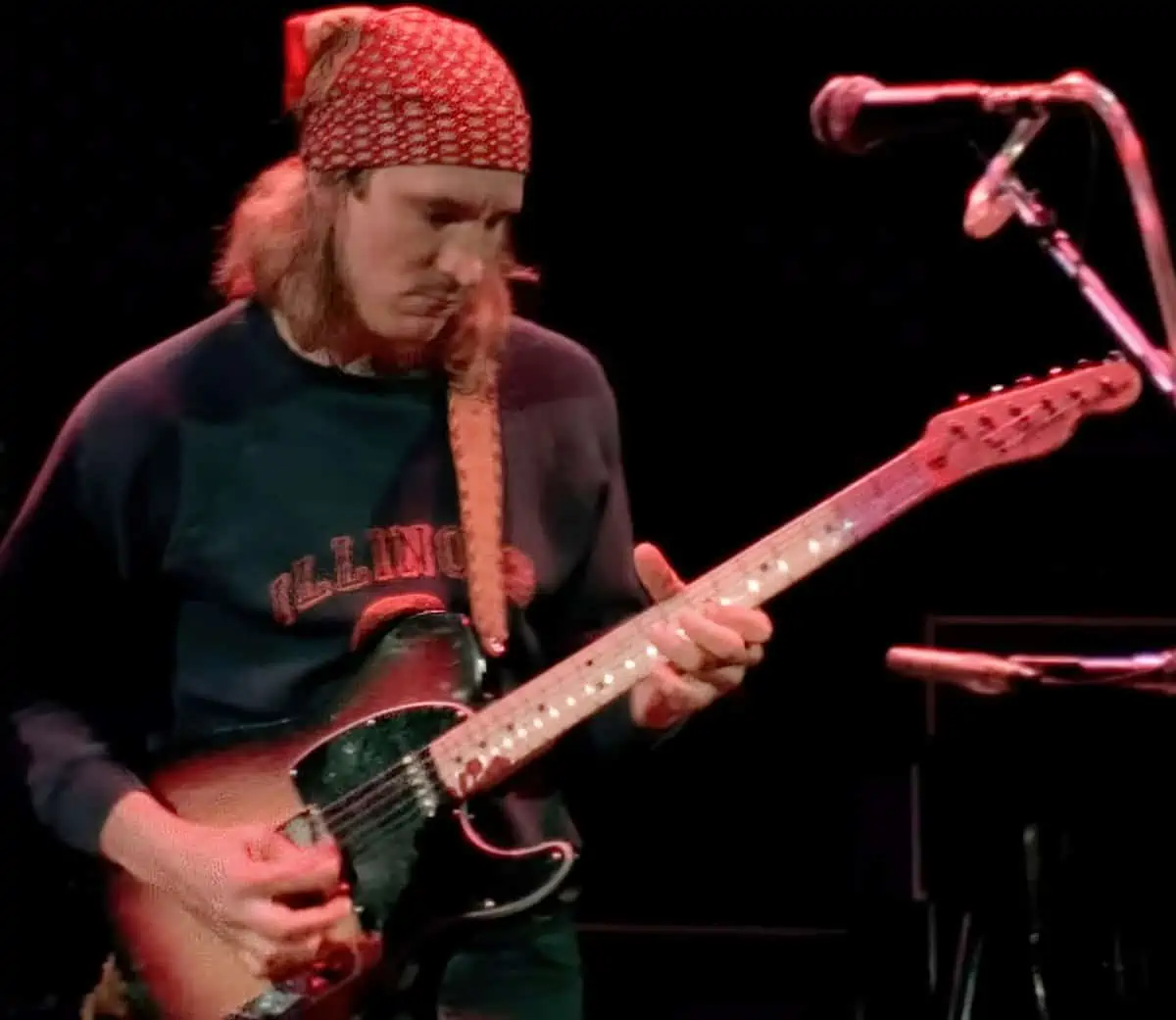
Joe Walsh: The Guitar Hero Who Made Rock More Fun
Discover the story, gear, guitar style, and influence of Joe Walsh—from The James Gang and the Eagles to his legendary solo career.
When people talk about the greatest guitarists of all time, names like Hendrix, Van Halen, Clapton, and Page usually dominate the conversation. Yet somehow, Joe Walsh often gets overlooked despite being one of the most influential, recognizable, and entertaining guitar players in rock history.
Walsh isn't just a guitarist. He's a songwriter, vocalist, producer, comedian, and one of the most unique personalities the music world has ever seen. His guitar work helped define classic rock in the 1970s, his songs became radio staples, and his influence can be heard in generations of players that followed.
Early Days: The James Gang
Before joining the Eagles, Joe Walsh first gained national attention as the guitarist for The James Gang.
The band's biggest hit, 'Funk #49,' remains one of the greatest riff-driven rock songs ever recorded. The song showcased Walsh's ability to combine blues, hard rock, and funk into a style that felt completely fresh.
What made Walsh stand out wasn't flashy technique. It was attitude.
His playing was raw, aggressive, and full of personality. Every bend, slide, and vibrato felt intentional and musical.
Many guitarists can play notes. Joe Walsh made notes sound alive.
Going Solo
After leaving The James Gang, Walsh launched a successful solo career that produced several classic rock staples.
Songs like 'Rocky Mountain Way,' 'Life's Been Good,' 'Turn To Stone,' 'Walk Away,' and 'Ordinary Average Guy' helped establish him as more than just a guitar player.
He became a complete artist.
'Rocky Mountain Way' remains one of the most recognizable guitar songs ever recorded. The talk box guitar solo inspired countless players and introduced many listeners to effects they had never heard before.
Even today, the opening riff immediately transports listeners back to the golden era of rock radio.
Joining the Eagles
Get Joe Walsh’s “Rocky Mountain Way” Tone
Tell ToneMD what guitar and gear you own and we’ll show you how to get as close as possible using the equipment you already have — full signal chain, real numbered settings, no guesswork.
Included with The Guitar Plugged Premium
In 1975, Joe Walsh joined the Eagles.
Many fans believe this was the moment the band transformed from a successful country-rock act into a full-fledged rock powerhouse.
Walsh brought edge. He brought attitude. And most importantly, he brought guitar firepower.
His influence can be heard all over the legendary album 'Hotel California.'
The title track features one of the greatest dual guitar solos ever recorded, with Walsh and Don Felder creating a masterpiece that still ranks among the most studied solos in rock history.
The harmonized lead lines remain a benchmark for guitarists around the world.
The Joe Walsh Guitar Style
Joe Walsh's playing isn't about speed. It's about feel.
His style combines blues phrasing, rock aggression, melodic lead work, creative slide guitar, and dynamic vibrato.
Walsh understands something many players miss: The notes between the notes matter.
“The greatest compliment you can give a guitarist is that they sound like themselves. Nobody sounds like Joe Walsh.”
His bends are expressive. His vibrato is vocal-like. His phrasing feels conversational.
You can often identify Joe Walsh within seconds because his personality comes through every note he plays.
Gear That Defined His Sound
Throughout his career Walsh has used numerous iconic guitars and amplifiers.
Some of his most famous gear includes the Fender Telecaster, used extensively during his early years and known for delivering the sharp attack heard on many classic recordings.
The Gibson Les Paul became one of Walsh's signature instruments and a major contributor to his thick, sustaining lead tones.
The Fender Stratocaster was frequently used for live performances and sessions thanks to its versatility.
The talk box, made famous on 'Rocky Mountain Way,' became one of Walsh's signature sounds.
Walsh blended Fender and Marshall amplifiers to combine clean articulation with powerful overdriven tones, creating a sound that remains instantly recognizable.
Influence on Future Guitarists
Joe Walsh's impact extends far beyond his own recordings.
Many legendary players have cited him as an influence. Among them is Joe Satriani, who has praised Walsh's feel and songwriting ability.
Walsh also famously helped mentor a young guitarist named Jimmy Page during their friendship and inspired countless classic rock players through the decades.
His combination of humor, musicianship, and authenticity made him a role model for generations.
Our Take On Joe Walsh
Joe Walsh may never receive the same level of hype as some of the flashier guitar heroes, but his influence on rock music is undeniable.
Few players can claim a legendary band career, a legendary solo career, iconic riffs, iconic solos, unique songwriting, and a signature guitar voice.
Walsh checks every box.
The greatest compliment you can give a guitarist is that they sound like themselves.
Nobody sounds like Joe Walsh.
And that's exactly why he's one of the greatest rock guitarists of all time.
Check Used Gear Prices on Reverb
Looking for gear inspired by Joe Walsh's legendary tones? The used market is one of the best ways to find professional-level gear at a discount.
Check Used Gear Prices on Reverb
Some links may be affiliate links. We may earn a small commission at no cost to you.
Experience-driven coverage, not algorithm bait.
- 20+ years of guitar playing experience
- Real-world retail experience at Guitar Center
- Thousands of hours testing guitars, amps, and pedals
- A community of 50,000+ guitar enthusiasts across platforms
- Partnerships with Fender, DistroKid, TrueFire, Card Chords, and Enya
- Editorial standards published openly — see how we test gear
The Modern Guitar Magazine. Delivered to your inbox.
No spam. No gimmicks. Just great guitar content — stories, tones, iconic solos, and honest gear takes. Every week.
Discussion (0)
Sign in to join the discussion.
Sign in to commentLoading comments…
Discover another guitar story
Swipe through our latest features, breaking news and iconic solos — one story at a time.
Open Swipe →More in Guitar Talk
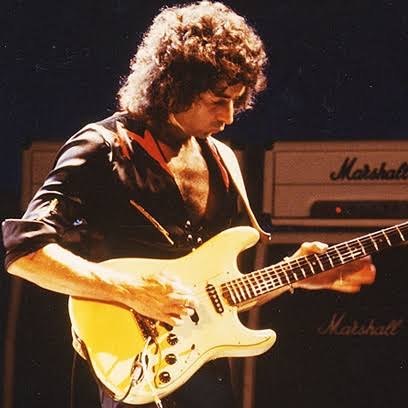
Ritchie Blackmore Plans to Rejoin Deep Purple Onstage Tonight — 33 Years After Walking Away
Thirty-three years after his final departure, Ritchie Blackmore says he plans to step onto a Deep Purple stage again — for one song, one night, and perhaps one final glimpse of a guitar chemistry that helped invent hard rock.
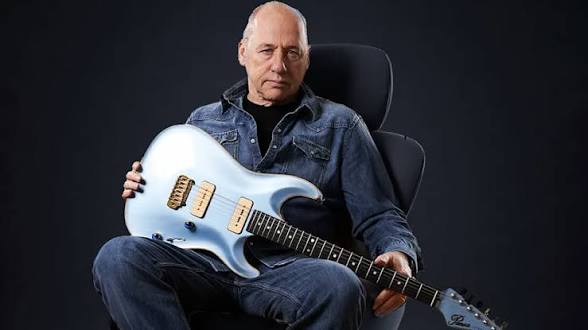
Mark Knopfler at 77: Why Playing the Right Notes Still Won't Make You Sound Like Him
Mark Knopfler turns 77 today, and his playing remains one of the hardest things in rock to imitate. Not because the notes are difficult — because almost none of what makes it sound like him is written down.
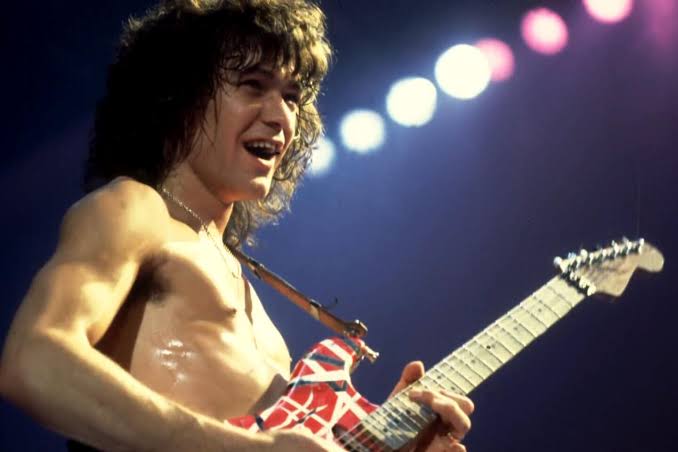
Eddie Van Halen: The Man Who Took the Electric Guitar Apart — and Rebuilt What It Could Be
From an immigrant kid learning piano by ear in Pasadena to the homemade guitar that changed an industry, the impossible sound of "Eruption," 5150, the Brown Sound and a legacy that still defines electric guitar: this is the complete story of Edward Van Halen.