
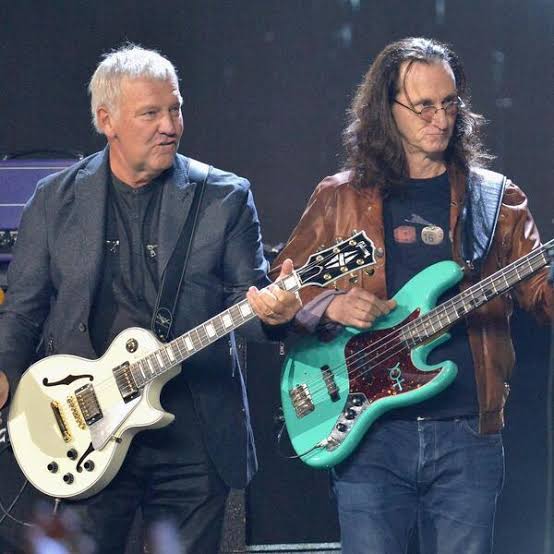
Rush Returns to Madison Square Garden as Geddy Lee Turns 73 — And Alex Lifeson Still Sounds Massive
Rush is back at Madison Square Garden, Geddy Lee has just turned 73, and Alex Lifeson is still making a three-piece band sound like an orchestra. A guitarist's look at why Lifeson remains one of rock's most quietly radical players.
For years, the idea of Rush walking back onto a Madison Square Garden stage lived somewhere between wishful thinking and outright fantasy. Neil Peart's death in January 2020 felt, to most of us, like a full stop rather than a comma. Geddy Lee and Alex Lifeson said as much at the time. So the sight of that band name back on a Garden marquee — with Geddy Lee having just turned 73 on July 29 — carries a weight that has nothing to do with nostalgia marketing and everything to do with people who spent their teenage years wearing out a cassette of Moving Pictures.
And here's the thing that matters most to a guitar publication: Alex Lifeson still sounds enormous.
[TOC]
Key Takeaways
- Rush's return to Madison Square Garden lands in the same week Geddy Lee turned 73, giving the run an emotional dimension beyond a standard arena date.
- Alex Lifeson remains one of rock's most distinctive and frequently underrated guitarists — a player whose chord voicings, textures, and effects work built the illusion of a much bigger band.
- German drummer Anika Nilles occupies the drum chair, playing music inseparable from Neil Peart's legacy without being positioned as his replacement.
- The catalog — "Limelight," "Tom Sawyer," "The Spirit of Radio," "2112," "Xanadu," "La Villa Strangiato" — remains a masterclass in what three musicians can do with arrangement discipline.
Why the Garden Matters
Madison Square Garden was never Rush's hometown room — that honor belongs to Toronto, and Rush fans have never let anyone forget it. But the Garden is where a Canadian power trio with odd time signatures and a singer who sounded like nobody else on radio proved they could fill an American arena on their own terms, without ever softening the thing that made them strange.
That's the real story of Rush at MSG. This was never a band that got there by accident or by compromise. They got there by being relentlessly, unapologetically themselves for decades, and by having a fan base that showed up whether or not radio cooperated.
Lifeson never played like a guitarist filling space in a trio. He played like a guitarist who had decided space itself was an instrument.
Geddy Lee at 73
Geddy Lee turning 73 is worth stopping on, because his job description has always been absurd. Lead vocals in a range that few singers could touch. Bass playing that functions as a lead instrument as often as a rhythm one. Synth and pedal work handled with his feet and free hands. Co-writing responsibility for one of the most ambitious catalogs in rock. Any one of those roles would be a career. He did all four simultaneously, on stage, nightly, for forty years.
His bass tone alone reshaped what players expected from the instrument in a rock context — that clanking, midrange-forward Rickenbacker snarl on 2112 and A Farewell to Kings, later evolving into the growling, fingerstyle-driven Jazz Bass voice that defined the Counterparts and Vapor Trails years. Generations of bass players learned that the low end could be melodic, aggressive, and harmonically busy without turning to mud.
Alex Lifeson: The Guitarist Everyone Undersells
Ask a casual rock fan to name the greatest guitarists and you'll get the usual, deserved names. Alex Lifeson usually doesn't make the list. Ask working guitar players — especially anyone who has ever tried to hold down a three-piece — and the answer changes fast.
Lifeson's genius was never speed, though he had plenty of it. It was architecture. In a trio with no rhythm guitarist, a guitar player has a choice: play power chords and hope the bass covers the rest, or find a way to imply an entire harmonic landscape with one instrument. Lifeson chose the second option and spent a career refining it.
X Concepts Strings • Made in USA
Never Run Out of Strings Again.
Join the X Concepts String Club and get fresh USA-made strings delivered every month—plus Premium membership options for the full Guitar Plugged experience.
The Chord Voicings
Listen to the intro of "Limelight." Those aren't barre chords. They're wide, open, suspended shapes with unresolved intervals ringing against open strings — voicings that leave the third out entirely so the harmony stays ambiguous and enormous. The same instinct runs through "Subdivisions," "Red Barchetta," and much of the Signals and Grace Under Pressure era: add9s, sus2s, and slash chords that behave more like keyboard pads than guitar chords.
“Lifeson never played like a guitarist filling space in a trio. He played like a guitarist who had decided space itself was an instrument.”
This is the single most-copied and least-credited part of his vocabulary. Every atmospheric rock guitarist who came after — through the alternative era and well into modern progressive rock — is drawing on a well that Lifeson dug.
The Textures and Effects
Lifeson was an early and thoughtful adopter of chorus, delay, and modulation as compositional tools rather than decoration. The shimmering stereo chorus on the Moving Pictures and Signals material isn't there to sound eighties; it's there to widen a single guitar into two, so the arrangement doesn't collapse when he lifts off a chord. His delay settings were tuned to the tempo of the song years before that was standard practice, letting rhythmic repeats fill the gaps a second guitarist would otherwise occupy.
The Rhythmic Creativity
"Tom Sawyer" is the obvious example — those stabbing, syncopated chords locking against Peart's drum figure with a precision that makes the whole thing feel heavier than the sum of its parts. "The Spirit of Radio" opens with one of rock's great high-register guitar figures, a cascading run that is somehow both a riff and a melody, and then the song shifts feel three times before it's over. "La Villa Strangiato" remains a rite of passage: nearly ten minutes of instrumental writing that swings from flamenco-flavored acoustic to one of Lifeson's most emotionally direct extended solos.
The Lead Playing
The lead work is where the underrated tag stings most. Lifeson's solos are songs inside songs. The "Limelight" solo — that liquid, whammy-inflected phrasing over a shifting harmonic bed — is one of the most melodically intelligent solos in rock, and it never once feels like a display of technique. "Xanadu" gives him room to build over eleven minutes of arrangement. "2112" gives him a full side of vinyl to move between crushing riffs and delicate passages. "Freewill" gives him a controlled explosion. None of it sounds like anyone else.
If you're building a personal list of players who changed the instrument, he belongs somewhere on it — a point we've made before in our 25 Greatest Guitarists of All Time and our look at Lifeson's return to the stage.
Anika Nilles and the Weight of the Chair
The drum chair in Rush is not a normal gig. Neil Peart wasn't only the band's drummer; he was its lyricist and, for millions of listeners, its intellectual center. Nobody replaces that, and nobody involved has suggested otherwise.
What Anika Nilles is doing is different and, in its own way, harder. The German drummer — known for her own compositional work and for a technical vocabulary that is entirely her own — has taken on the responsibility of performing parts that a global audience knows note-for-note, while playing them as a musician rather than an impersonator. Peart's parts are among the most scrutinized in the instrument's history. Playing them well is a physical achievement. Playing them with feeling, in front of people who are hearing them live for the first time since 2015, is something else.
The respectful framing is the honest one: Peart's legacy is untouched and untouchable. Nilles is a superb drummer carrying the material forward so that Lee and Lifeson can play it again.
Hearing It Live Again
There's an emotional current running under all of this that's hard to write about without getting sentimental, so I'll be plain about it. A lot of people in that building associate this music with a specific person in their life — a sibling, a friend, a bandmate, someone who put Moving Pictures on and said listen to what the drummer is doing here. For six years the assumption was that we'd never hear it in a room again.
"Headlong Flight," from 2012's Clockwork Angels, sits at the center of that feeling better than almost anything else in the catalog. It's a late-period song about looking back on a life at full speed and wanting to do all of it over again, built on one of Lifeson's heaviest and most joyful riffs. Hearing that particular lyric sung by a 73-year-old Geddy Lee, in an arena, with Lifeson tearing through it beside him, is not a small thing.
What It Means Now
Rush spent their career being told they were too odd, too technical, too Canadian, too much. They were inducted into the Rock and Roll Hall of Fame in 2013 only after their audience essentially forced the issue. And here they are, in the biggest arena in America, playing music that never once bent toward the mainstream and somehow ended up there anyway.
For guitar players, the takeaway is simpler and more useful: go back and study what Alex Lifeson actually played. Not the fast parts — the chords. Learn the voicings on "Limelight." Work out how much of "The Spirit of Radio" is one guitar. Figure out where the delay ends and the playing begins. There's a decade of ideas in there, and most of them are still underused.
Experience-driven coverage, not algorithm bait.
- 20+ years of guitar playing experience
- Real-world retail experience at Guitar Center
- Thousands of hours testing guitars, amps, and pedals
- A community of 50,000+ guitar enthusiasts across platforms
- Partnerships with Fender, DistroKid, TrueFire, Card Chords, and Enya
- Editorial standards published openly — see how we test gear
The Modern Guitar Magazine. Delivered to your inbox.
No spam. No gimmicks. Just great guitar content — stories, tones, iconic solos, and honest gear takes. Every week.
Ask GP
3 free questions a dayStill curious? Ask GP about this story.
Your personal classic-rock and guitar guide — ask anything about Rush Returns to Madison Square.
Discussion (0)
Sign in to join the discussion.
Sign in to commentLoading comments…
Discover another guitar story
Swipe through our latest features, breaking news and iconic solos — one story at a time.
Open Swipe →More in Guitar Talk
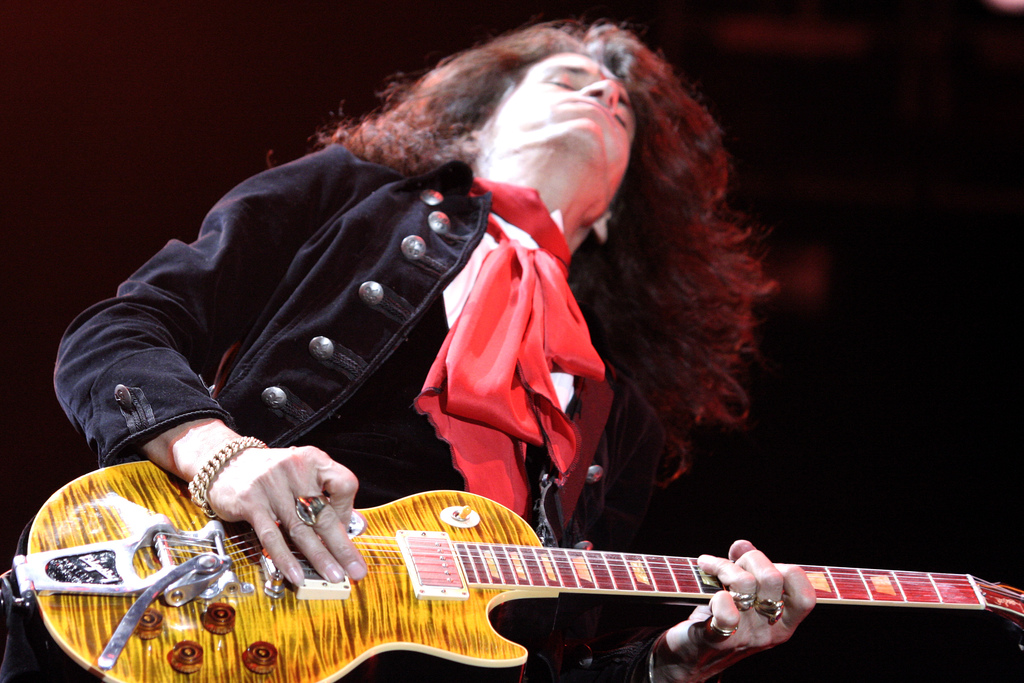
Happy Birthday, Joe Perry: The Riff Machine Who Gave Aerosmith Its Swagger
Joe Perry turns 76 today. From the swampy grind of “Sweet Emotion” to the reunion that saved a band, this is the career of the guitarist who taught American hard rock how to strut.
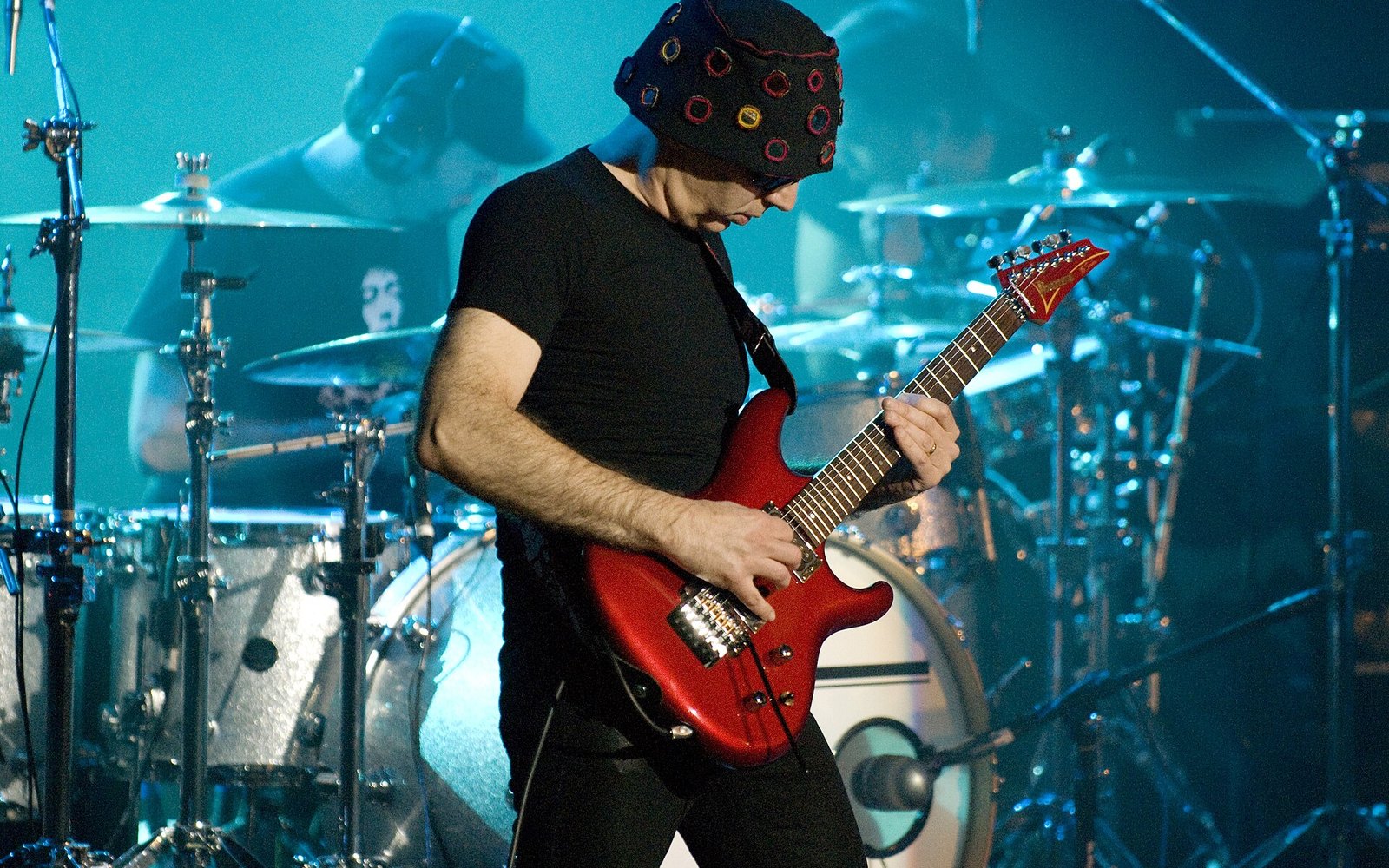
History of the Riff: How Joe Satriani Made “Flying in a Blue Dream” Feel Weightless
An acoustic guitar in an unusual tuning, a stray broadcast and a melody that seems to hang in the air: inside the construction of Satriani’s 1989 masterpiece.
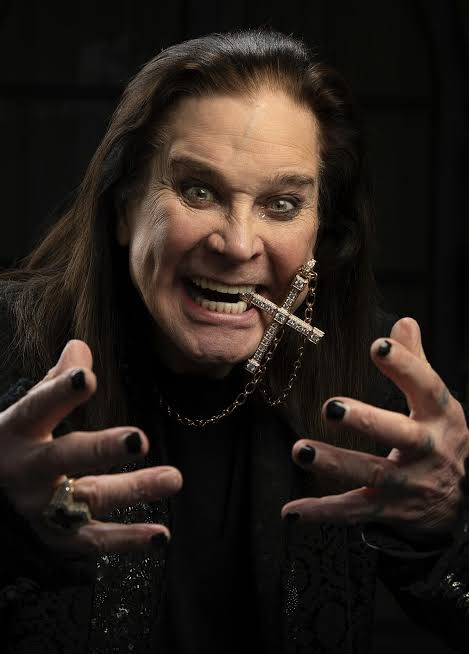
Tony Iommi Opens Up About His Final Conversation With Ozzy Osbourne: “I Still Can't Get It in My Head”
The Black Sabbath guitarist says Ozzy was exhausted after the band's emotional farewell — but determined to give fans one final show.