Tone Decoded: How Slash Created One of Rock's Most Iconic Guitar Tones
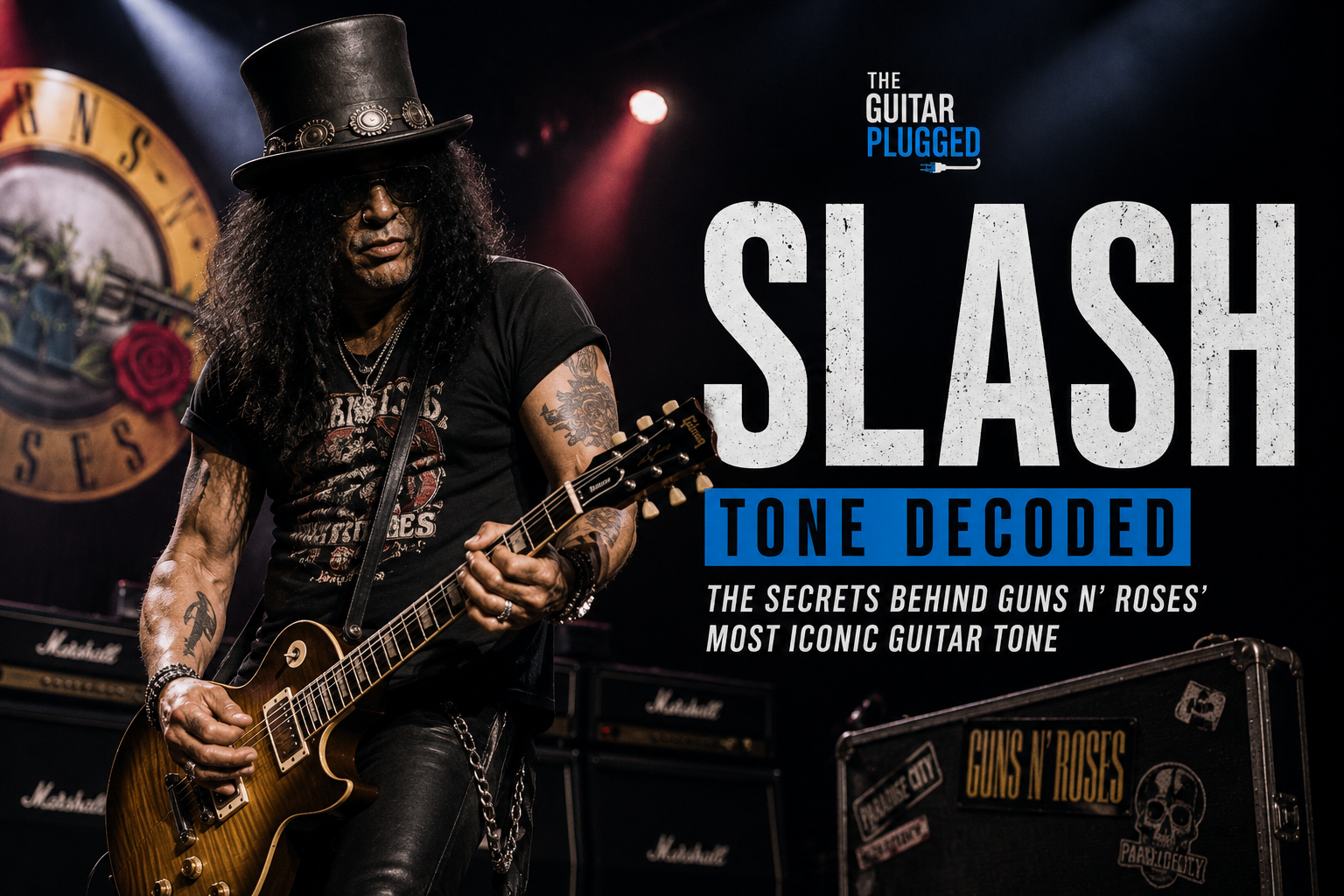
Few guitar players have a tone as instantly recognizable as Slash. We break down the Les Paul into Marshall formula, the Appetite for Destruction sound, the Alnico II pickups, the phrasing, and why his sound still defines rock guitar today.
Few guitar players have a tone as instantly recognizable as Slash. The second you hear the opening notes of Sweet Child O' Mine or the aggressive roar of Welcome to the Jungle, you know exactly who's playing. His sound sits in that rare category where it feels massive, emotional, dangerous, and melodic all at the same time.
But what actually makes the Slash tone work?
In this edition of Tone Decoded, we break down the gear, phrasing, pickups, amps, and playing style that helped shape one of the greatest rock guitar sounds ever recorded.
The Foundation: A Les Paul Into a Marshall
At its core, the Slash tone formula is surprisingly simple: a Gibson Les Paul, a Marshall tube amp, hot Alnico pickups, heavy vibrato, aggressive attack, and huge melodic phrasing. That combination created the thick midrange-heavy tone that became the backbone of classic Guns N' Roses records.
Slash's tone was never about extreme gain. In fact, one of the biggest misconceptions about his sound is that it uses massive distortion. Most of the saturation actually comes from cranked tube amps combined with controlled pick attack and sustain. That's why his tone still sounds articulate even during fast runs or layered solos.
Appetite for Destruction: The Legendary Sound
Get Slash’s “Sweet Child o' Mine” Tone
Tell ToneMD what guitar and gear you own and we’ll show you how to get as close as possible using the equipment you already have — full signal chain, real numbered settings, no guesswork.
Included with The Guitar Plugged Premium
The tone on Appetite for Destruction remains one of the most studied guitar sounds in rock history. While fans debate the exact amp used during the sessions, the character of the sound is undeniable: tight low end, aggressive upper mids, smooth sustain, and vocal-like lead phrasing.
Slash paired humbucker-equipped guitars with loud British-style amplification, creating a tone that cut through mixes without sounding overly compressed. The secret weapon was often the midrange. A lot of modern rock tones scoop mids heavily, but Slash leaned into them. That's why his guitar always feels present and alive in a full band mix.
The Importance of Phrasing
Gear matters, but Slash's hands are a huge part of the equation. His playing style includes wide blues-inspired vibrato, aggressive bends, pentatonic phrasing, dynamic pick attack, and melodic solo construction.
X Concepts Strings • Made in USA
Never Run Out of Strings Again.
Join the X Concepts String Club and get fresh USA-made strings delivered every month—plus Premium membership options for the full Guitar Plugged experience.
Unlike many technical shred players of the era, Slash focused heavily on memorable melodies. Many of his solos can practically be sung note for note. That vocal-like phrasing is a massive reason why his tone feels emotional instead of mechanical.
“Slash's tone was never about extreme gain — it's about a cranked tube amp, controlled pick attack, and phrasing you can sing.”
Pickups and Output
Slash has long favored Alnico II style humbuckers, which produce warm mids, smooth highs, softer attack, and singing sustain. His signature pickups helped avoid the harshness that can happen with higher-output ceramic pickups. Instead of sounding overly sharp or modern, the result is a smoother vintage-inspired distortion that still retains clarity.
Effects: Less Than You Think
One of the coolest things about Slash's sound is how little processing is actually involved. His core tone relies mostly on overdrive, wah, delay, and reverb. That's it. The foundation always comes back to the amp and the player.
Even today, many guitarists spend thousands chasing complicated rigs when some of the greatest tones ever recorded came from relatively straightforward setups played exceptionally well.
Why Slash's Tone Still Matters Today
Decades later, Slash's sound still influences modern rock guitarists because it strikes a perfect balance between technical control and raw emotion. It feels polished without losing danger.
In an era full of digital perfection and hyper-processed tones, Slash reminds players that feel, phrasing, and identity matter just as much as gear specs. And that's ultimately why his tone continues to survive generation after generation.
Final Thoughts
The Slash tone isn't just about Les Pauls or Marshalls. It's about attitude, phrasing, sustain, and knowing when to let notes breathe. That combination created a sound that became bigger than the songs themselves.
Some guitar tones are impressive. Slash's became legendary.
- Marshall DSL40CR Tube Combo$899·Check on Amazon →
- Seymour Duncan Slash Alnico II Pro Set$229·Check on Amazon →
- Dunlop Slash Cry Baby Wah SC95$179·Check on Amazon →
Some links are affiliate links — we may earn a small commission at no cost to you.
Experience-driven coverage, not algorithm bait.
- 20+ years of guitar playing experience
- Real-world retail experience at Guitar Center
- Thousands of hours testing guitars, amps, and pedals
- A community of 50,000+ guitar enthusiasts across platforms
- Partnerships with Fender, DistroKid, TrueFire, Card Chords, and Enya
- Editorial standards published openly — see how we test gear
The Modern Guitar Magazine. Delivered to your inbox.
No spam. No gimmicks. Just great guitar content — stories, tones, iconic solos, and honest gear takes. Every week.
Ask GP
3 free questions a dayStill curious? Ask GP about this story.
Your personal classic-rock and guitar guide — ask anything about How Slash Created One of.
Discussion (0)
Sign in to join the discussion.
Sign in to commentLoading comments…
Discover another guitar story
Swipe through our latest features, breaking news and iconic solos — one story at a time.
Open Swipe →More in Tone Decoded
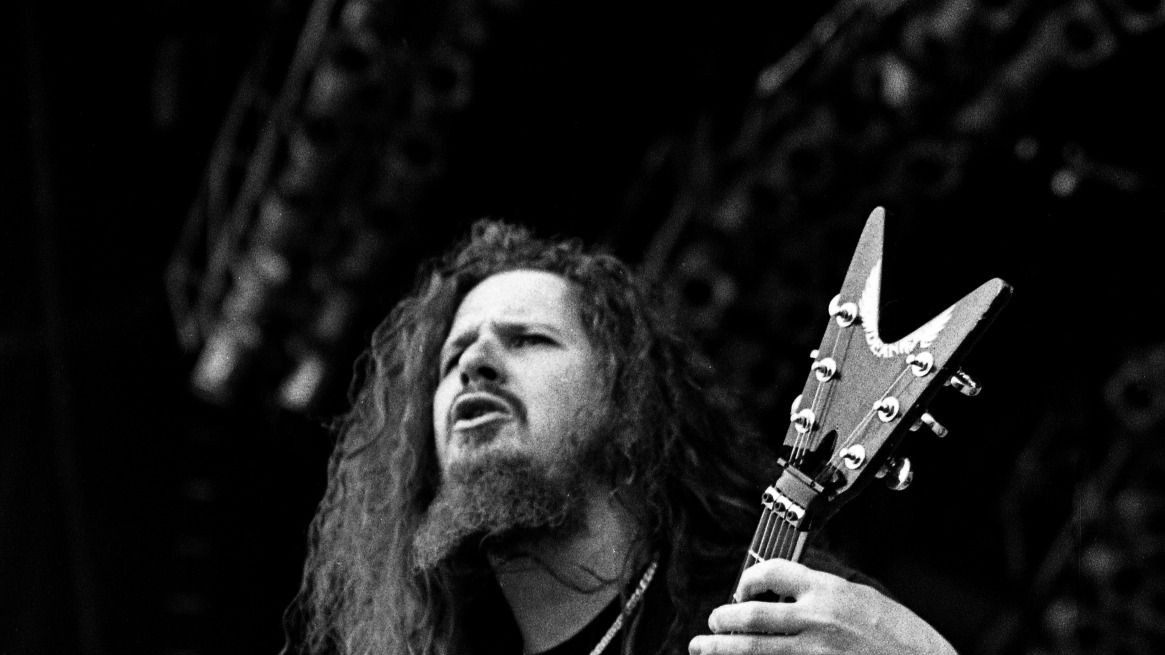
Dimebag Darrell Didn't Just Make Metal Heavier—He Made It Swing
Inside the fearless Texas guitar language, brutal-but-musical tone, and melodic instinct that made Dimebag Darrell impossible to imitate — and impossible to replace.
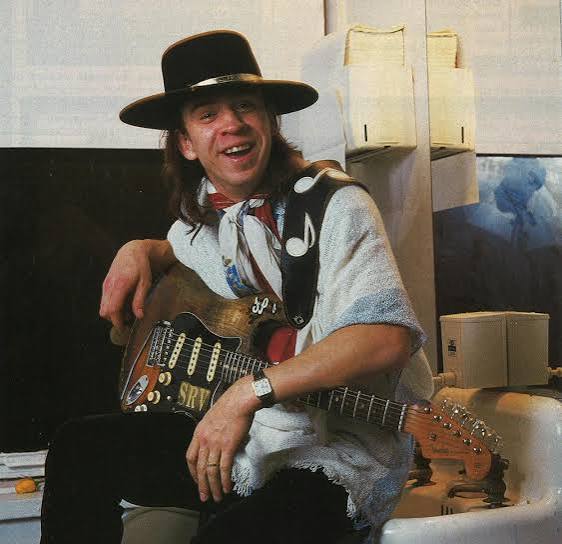
The Infamous Stevie Ray Vaughan Soundcheck
No crowd. No spectacle. Just Stevie Ray Vaughan checking levels at the Syria Mosque in 1986 — and sounding absolutely monstrous. What the footage reveals about tone, touch and the myth of the rig.
The Last 10%: Why You Can Copy a Famous Guitarist’s Entire Rig and Still Miss the Tone
You bought the guitar, the amp, and the pedals — so why doesn’t it sound right? The last 10 percent of guitar tone is the most important part, and it’s almost never about the gear list.