
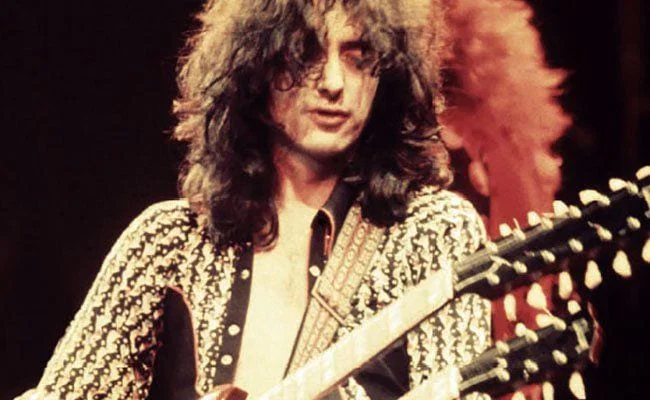
Stairway to Heaven: The Greatest Guitar Solo Ever Recorded
More than 50 years on, Jimmy Page's solo on Led Zeppelin's 'Stairway to Heaven' is still the gold standard — a masterclass in phrasing, tone, and emotional payoff that helped define the greatest guitar solos of all time.
Every guitarist has their list. Some will argue for 'Eruption.' Others will point to 'Comfortably Numb,' 'Highway Star,' or 'Mr. Crowley.'
But if there is one solo that consistently appears at or near the top of every 'greatest of all time' discussion, it's Jimmy Page's masterpiece in Led Zeppelin's 'Stairway to Heaven.'
More than fifty years after its release, the solo remains the gold standard for what a guitar solo should be. It isn't the fastest. It isn't the most technically demanding. Yet somehow it continues to captivate players and listeners alike, generation after generation.
That's because Jimmy Page achieved something far more difficult than speed. He created the perfect climax to one of the greatest songs ever written.
The Solo That Completes the Song
What separates the Stairway to Heaven solo from thousands of other famous guitar solos is context. The solo doesn't arrive in the first minute. It doesn't show up after a catchy chorus.
Instead, Led Zeppelin spends nearly six minutes building anticipation. Acoustic guitars, recorders, dynamic shifts, and Robert Plant's unforgettable vocals slowly guide the listener toward a destination they don't even realize they're waiting for.
Then it happens. Page enters with a soaring bend that immediately feels like the release of everything the song has been building toward. The solo isn't just part of Stairway to Heaven — the solo is the payoff.
How Jimmy Page Created the Solo
Get Jimmy Page’s “Stairway to Heaven” Tone
Tell ToneMD what guitar and gear you own and we’ll show you how to get as close as possible using the equipment you already have — full signal chain, real numbered settings, no guesswork.
Included with The Guitar Plugged Premium
Unlike many modern guitarists who meticulously map every phrase before recording, Jimmy Page often relied heavily on instinct and feel. The Stairway to Heaven solo was developed during the recording sessions for Led Zeppelin IV and captured the emotional intensity Page wanted at the song's climax.
Rather than showcasing technical fireworks, Page focused on melody and emotion. Every phrase feels conversational. Every bend feels intentional. Every note seems to answer the one before it.
The result is a solo that sounds effortless while being nearly impossible to improve upon.
The Gear Behind the Legend
X Concepts Strings • Made in USA
Never Run Out of Strings Again.
Join the X Concepts String Club and get fresh USA-made strings delivered every month—plus Premium membership options for the full Guitar Plugged experience.
One of the most surprising facts about the Stairway to Heaven solo is that it wasn't recorded with the guitar most people associate with Jimmy Page. There's no Les Paul, no massive Marshall stack — just a vintage Telecaster, a small combo amp, and a player at the top of his game.
The Rig — Decoded
A gift from Jeff Beck, famously hand-painted by Page with the iconic Dragon design.
A small combo amp cranked into natural tube overdrive — the secret behind that singing, vocal-like tone.
No pedalboard. Just amp gain and tasteful studio compression to glue everything together.
Guitar straight into amp, with light studio compression. Pure tone, zero clutter.
“The solo isn't just part of Stairway to Heaven. The solo is the payoff.”
The tone is remarkably simple by today's standards. No massive pedalboard. No modelers. No endless layers of effects. Just a great guitar, a cranked amplifier, and one of rock's greatest players.
Why the Solo Still Feels So Powerful
The Phrasing Is Perfect. Many players can learn the notes. Very few can recreate the feel. Page's bends, vibrato, and timing create an emotional quality that transcends technique — the notes almost seem to breathe. That's why countless cover versions sound technically correct yet somehow miss the magic.
It Builds Without Wasting Notes. One of the most impressive aspects of the solo is its pacing. The opening phrases are melodic and restrained. As the solo progresses, the intensity increases naturally. The bends become wider. The phrases become more urgent. The energy builds until Page delivers one of the most memorable climaxes in rock history. It's storytelling through guitar.
Emotion Wins. The Stairway to Heaven solo serves as a reminder that music isn't a competition. Many players have surpassed Jimmy Page in terms of speed and technical precision. Few have surpassed him in emotional impact. That's why listeners who know nothing about scales, modes, or theory can still instantly connect with the solo. They feel it.
The Influence on Future Guitar Heroes
Virtually every major rock guitarist who followed Jimmy Page felt the impact of Stairway to Heaven. Players like Slash, Joe Bonamassa, John Mayer, Richie Sambora, and countless others have cited Page as a major influence.
The solo became a blueprint for how to build tension, create melody, and elevate a song rather than simply playing over it. More importantly, it taught generations of guitarists that the best solo isn't always the most complicated one — sometimes it's simply the most memorable.
Final Verdict
There are faster solos. There are more technical solos. There are more difficult solos. But when you combine phrasing, tone, emotion, timing, influence, and pure musicality, few performances come close to what Jimmy Page accomplished on Stairway to Heaven.
More than fifty years later, guitar players are still studying it. Fans are still air-guitaring it. And critics are still ranking it among the greatest guitar solos of all time. That's not nostalgia. That's greatness.
Whether you believe it's number one or not, one thing is undeniable: the Stairway to Heaven solo remains one of the highest achievements in the history of rock guitar.
What to Remember
- ▸The solo's power comes from context — six minutes of build-up before the first bend.
- ▸Page used a 1959 Telecaster and a Supro combo, not the Les Paul / Marshall rig fans expect.
- ▸Phrasing, bends, and vibrato matter more than speed or technical complexity.
- ▸It's a textbook example of dynamic pacing — restraint at the start, climax at the end.
- ▸Its influence runs through Slash, Joe Bonamassa, John Mayer, and virtually every modern rock lead player.
- ▸More than 50 years on, it's still a top contender for the greatest guitar solo ever recorded.
Some links are affiliate links — we may earn a small commission at no cost to you.
Experience-driven coverage, not algorithm bait.
- 20+ years of guitar playing experience
- Real-world retail experience at Guitar Center
- Thousands of hours testing guitars, amps, and pedals
- A community of 50,000+ guitar enthusiasts across platforms
- Partnerships with Fender, DistroKid, TrueFire, Card Chords, and Enya
- Editorial standards published openly — see how we test gear
The Modern Guitar Magazine. Delivered to your inbox.
No spam. No gimmicks. Just great guitar content — stories, tones, iconic solos, and honest gear takes. Every week.
Ask GP
3 free questions a dayStill curious? Ask GP about this story.
Your personal classic-rock and guitar guide — ask anything about Stairway to Heaven.
Discussion (0)
Sign in to join the discussion.
Sign in to commentLoading comments…
Discover another guitar story
Swipe through our latest features, breaking news and iconic solos — one story at a time.
Open Swipe →More in Iconic Solos
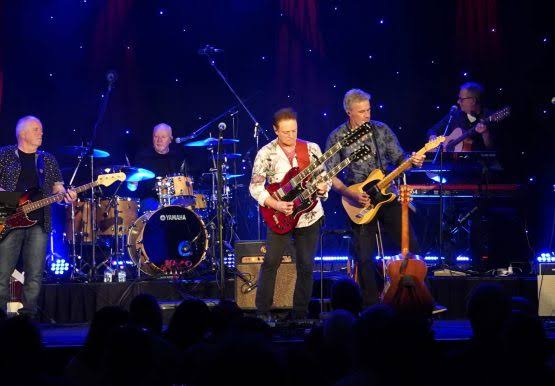
The Story Behind the "Hotel California" Guitar Solo: How Don Felder and Joe Walsh Created Rock's Greatest Guitar Duel
Nearly five decades on, the final minutes of the Eagles' "Hotel California" still stop guitarists in their tracks. Inside the composition, tone, and interplay of Don Felder and Joe Walsh's legendary dual-guitar finale.

10 Underrated Guitar Solos Every Player Should Learn
Ten overlooked guitar solos — from Larry Carlton to Derek Trucks — that will make you a better player through phrasing, feel, and note choice.
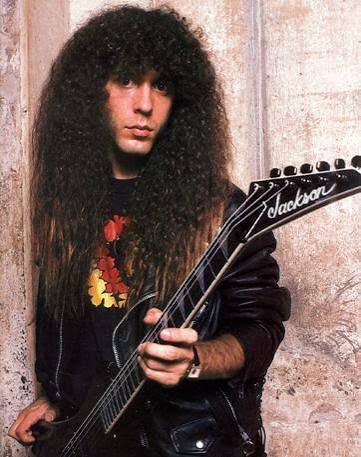
Iconic Solos: Marty Friedman's "Tornado of Souls" — The Crown Jewel of Thrash Guitar
More than 35 years later, Marty Friedman's solo on Megadeth's Tornado of Souls is still the gold standard for melodic shred — exotic phrasing, vocal-like bends, and an ending run that breaks brains.