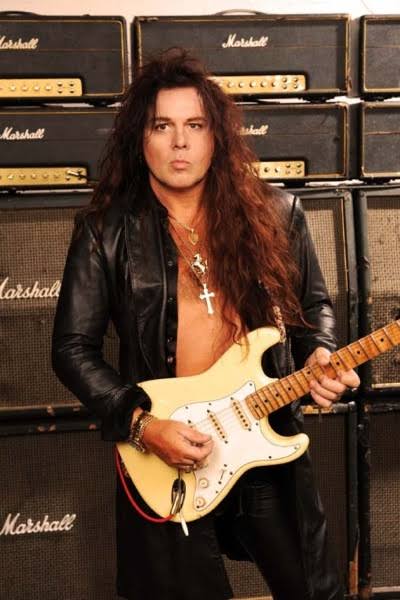
Yngwie Malmsteen: The Guitar Virtuoso Who Turned Classical Music Into Shred History
From Stockholm to Rising Force, Yngwie Malmsteen fused Bach and Paganini with a scalloped Strat and a wall of Marshalls — permanently rewriting the vocabulary of shred guitar.
When guitar players debate the greatest technicians of all time, one name is impossible to ignore: Yngwie J. Malmsteen.
Long before social media was filled with impossibly fast guitar videos, Malmsteen was redefining what the electric guitar could be. His blistering speed, sweeping arpeggios, harmonic minor scales, and unmistakable neoclassical style inspired an entire generation of players and permanently changed the vocabulary of rock guitar.
Love him or criticize him, there's no denying one thing — modern shred guitar would look very different without Yngwie Malmsteen.
[TOC]
• Pioneered neoclassical metal by fusing Bach, Paganini and Vivaldi with overdriven Stratocasters.
• Rising Force (1984) earned a Grammy nomination and became required listening for shred guitarists.
• Popularized scalloped fretboards, harmonic minor scales, and sweep-picked arpeggios in rock guitar.
• Directly influenced generations of progressive metal, power metal, and instrumental guitarists.
• Still touring, recording, and playing louder and more classically inspired than almost anyone else.
From Sweden to the World Stage
Born Lars Johan Yngve Lannerbäck on June 30, 1963, in Stockholm, Sweden, Malmsteen discovered music at an early age.
While many young guitarists idolized blues legends, Malmsteen became fascinated with composers like Johann Sebastian Bach, Niccolò Paganini, and Antonio Vivaldi.
Instead of copying traditional rock phrasing, he imagined what would happen if classical violin techniques were played on an overdriven Stratocaster. That idea would eventually create one of the most recognizable guitar styles ever recorded.
Arriving in America
After moving to the United States in the early 1980s, Malmsteen quickly joined Steeler before later becoming part of Alcatrazz, replacing Steve Vai.
His playing immediately stood apart. Where many guitarists relied on blues pentatonic licks, Malmsteen unleashed lightning-fast alternate picking, economy picking, sweep-picked arpeggios, harmonic minor scales, diminished runs, and classical-inspired phrasing.
Guitar magazines suddenly had a new benchmark for technical excellence — one that made even the era's top players from the Eddie Van Halen school reconsider what was possible on six strings.
Get Yngwie Malmsteen’s “Far Beyond the Sun” Tone
Tell ToneMD what guitar and gear you own and we’ll show you how to get as close as possible using the equipment you already have — full signal chain, real numbered settings, no guesswork.
Included with The Guitar Plugged Premium
Rising Force Changed Everything
In 1984, Malmsteen released Rising Force, an album that is still considered one of the defining instrumental guitar records of all time.
The record blended classical composition, heavy metal, baroque melodies, orchestral arrangements, and jaw-dropping soloing. It earned a Grammy nomination for Best Rock Instrumental Performance and introduced countless players to neoclassical guitar.
Even today, Rising Force remains required listening for aspiring shred guitarists — sitting alongside landmark instrumental statements like Randy Rhoads' Mr. Crowley as proof that virtuosity and songwriting aren't mutually exclusive.
[MEMBERS_CTA]
The Signature Sound
X Concepts Strings • Made in USA
Never Run Out of Strings Again.
Join the X Concepts String Club and get fresh USA-made strings delivered every month—plus Premium membership options for the full Guitar Plugged experience.
One note is often enough to identify Malmsteen. Several elements define his unmistakable tone.
Fender Stratocasters
Malmsteen has remained loyal to Fender Stratocasters throughout most of his career. His signature model includes a scalloped fretboard, Seymour Duncan YJM Fury pickups, vintage-style tremolo, and minimal fretboard resistance for expressive vibrato. The scalloped neck has become almost as legendary as the guitarist himself.
“Modern shred guitar would look very different without Yngwie Malmsteen. He didn't just play fast — he taught a generation to think like a classical composer plugged into a Marshall stack.”
Massive Marshall Amplifiers
Equally iconic is his towering wall of Marshall JVM amplifiers. His high-volume, articulate gain allows every picked note to remain clear — even during blistering passages. For decades, Marshall has been closely associated with the Yngwie sound.
• Fender Yngwie Malmsteen Signature Stratocaster with scalloped maple fingerboard.
• Seymour Duncan YJM Fury single-coil pickups tuned for high-gain clarity.
• Marshall JVM series full-stack — cranked, always.
• Jim Dunlop Jazz III / Flow picks for precise alternate picking.
• Ernie Ball Super Slinky .008 gauge strings for effortless legato and vibrato.
Neoclassical Vocabulary
Unlike many shredders who simply play fast, Malmsteen builds solos using classical concepts. Common techniques include harmonic minor scales, pedal tones, diminished sequences, sweep-picked diminished arpeggios, rapid string skipping, wide vibrato, and precision alternate picking. His solos often feel more like violin concertos than traditional rock improvisation.
• Harmonic minor scale: the natural minor with a raised 7th — the DNA of every neoclassical run.
• Sweep-picked arpeggios: diminished and minor arpeggios raked across 3–6 strings in one fluid motion.
• Pedal-tone runs: a repeating high note against a descending scale — pure Bach on a Strat.
• Alternate picking: strict down-up motion at extreme tempos, powered by a tight wrist and a Jazz III–style pick.
• Wide, vocal vibrato: the finishing move that separates a shredder from a musician.
Albums Every Guitarist Should Hear
If you're discovering Yngwie Malmsteen for the first time, these records belong on your playlist:
- Rising Force (1984)
- Marching Out (1985)
- Trilogy (1986)
- Odyssey (1988)
- Eclipse (1990)
- Fire & Ice (1992)
- Parabellum (2021)
Each showcases a different stage of his evolution while maintaining the unmistakable Malmsteen identity.
His Influence on Guitar
Few players have influenced technical guitar playing more dramatically. His impact can be heard across generations of virtuosos, including countless modern progressive metal, power metal, fusion, and instrumental guitarists.
Even players who don't emulate his exact style have borrowed elements of his picking mechanics, classical phrasing, sweep arpeggios, harmonic minor vocabulary, and vibrato technique. His influence extends far beyond the neoclassical genre — you can hear it in everyone from the modern shred titans profiled in our 25 Greatest Guitarists of All Time ranking to today's YouTube virtuosos.
Why He Still Matters
More than four decades after bursting onto the scene, Yngwie Malmsteen remains one of the most recognizable names in guitar.
His dedication to technical excellence has never wavered, and he continues to tour internationally while releasing new music. In an era where trends come and go, Malmsteen has remained unapologetically himself — playing faster, louder, and more classically inspired than almost anyone else.
Whether you're chasing flawless alternate picking or simply appreciate fearless musicianship, his legacy is impossible to overlook.
Final Thoughts
Very few guitarists redefine an instrument. Yngwie Malmsteen did exactly that.
By fusing classical composition with electric guitar, he inspired generations to push their technical limits and think beyond traditional rock phrasing. His speed may grab the headlines, but it's his musical vision, precision, and unmistakable style that have secured his place among the most influential guitarists in history.
- Fender Yngwie Malmsteen Signature Stratocaster$2,199·Check on Amazon →
- Seymour Duncan YJM Fury Single-Coil Pickups$179·Check on Amazon →
- Jim Dunlop Flow Picks (Variety Pack)$10·Check on Amazon →
- Ernie Ball Super Slinky Guitar Strings (.009–.042)$6·Check on Amazon →
Some links are affiliate links — we may earn a small commission at no cost to you.
Experience-driven coverage, not algorithm bait.
- 20+ years of guitar playing experience
- Real-world retail experience at Guitar Center
- Thousands of hours testing guitars, amps, and pedals
- A community of 50,000+ guitar enthusiasts across platforms
- Partnerships with Fender, DistroKid, TrueFire, Card Chords, and Enya
- Editorial standards published openly — see how we test gear
The Modern Guitar Magazine. Delivered to your inbox.
No spam. No gimmicks. Just great guitar content — stories, tones, iconic solos, and honest gear takes. Every week.
Ask GP
3 free questions a dayStill curious? Ask GP about this story.
Your personal classic-rock and guitar guide — ask anything about Yngwie Malmsteen.
Discussion (0)
Sign in to join the discussion.
Sign in to commentLoading comments…
Discover another guitar story
Swipe through our latest features, breaking news and iconic solos — one story at a time.
Open Swipe →More in Guitar Talk
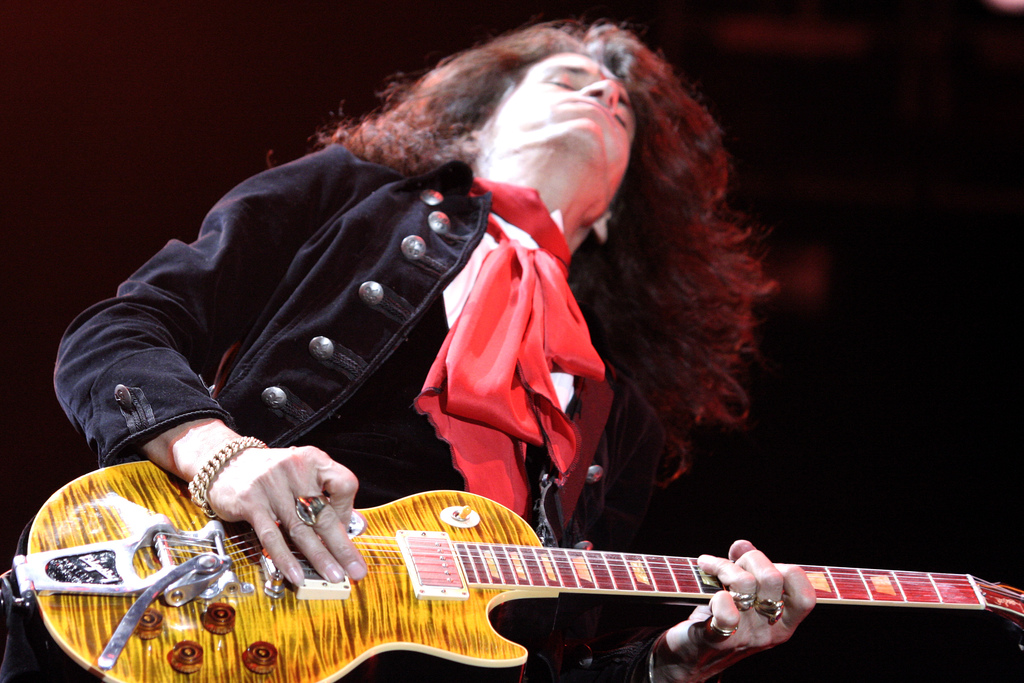
Happy Birthday, Joe Perry: The Riff Machine Who Gave Aerosmith Its Swagger
Joe Perry turns 76 today. From the swampy grind of “Sweet Emotion” to the reunion that saved a band, this is the career of the guitarist who taught American hard rock how to strut.
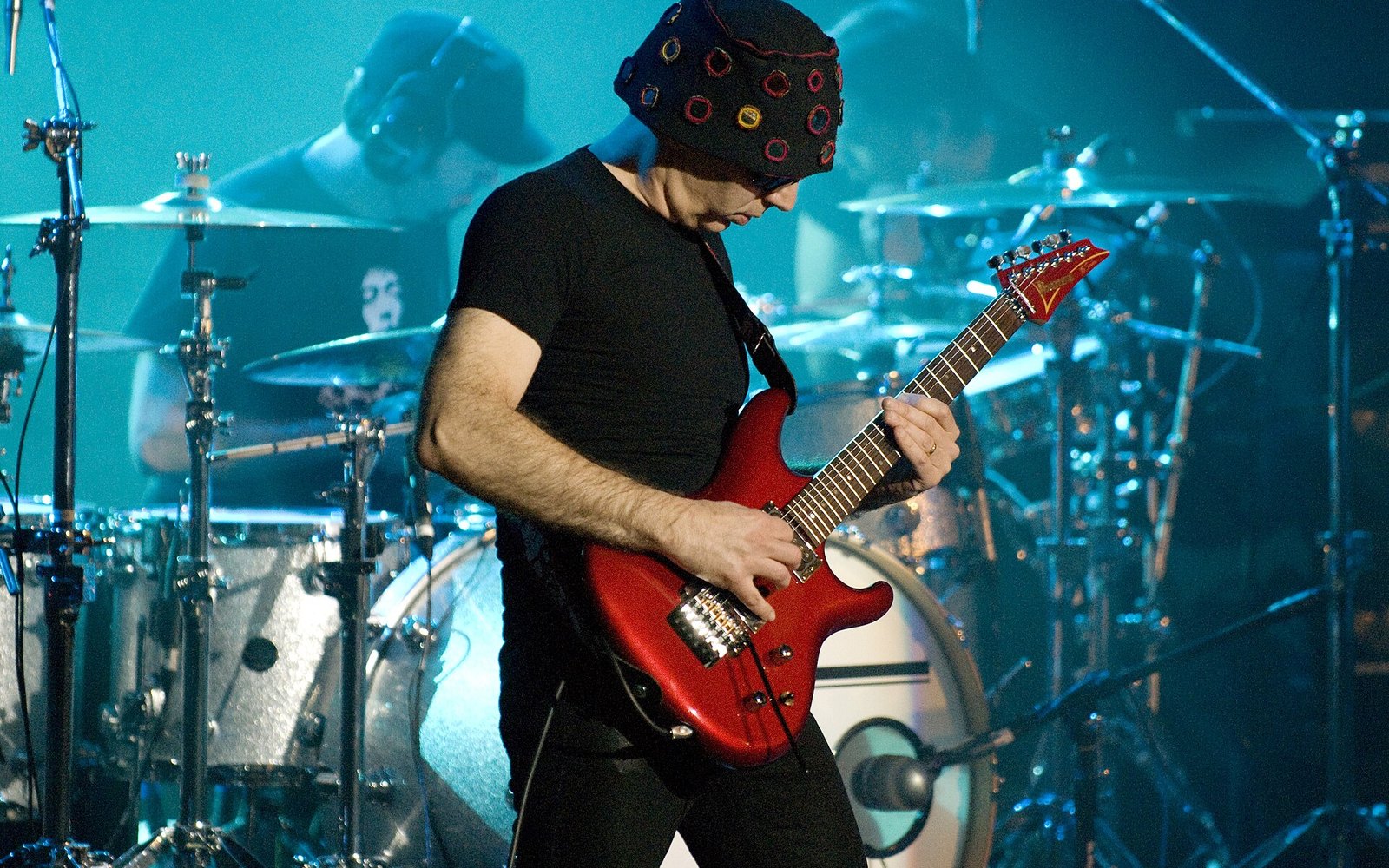
History of the Riff: How Joe Satriani Made “Flying in a Blue Dream” Feel Weightless
An acoustic guitar in an unusual tuning, a stray broadcast and a melody that seems to hang in the air: inside the construction of Satriani’s 1989 masterpiece.
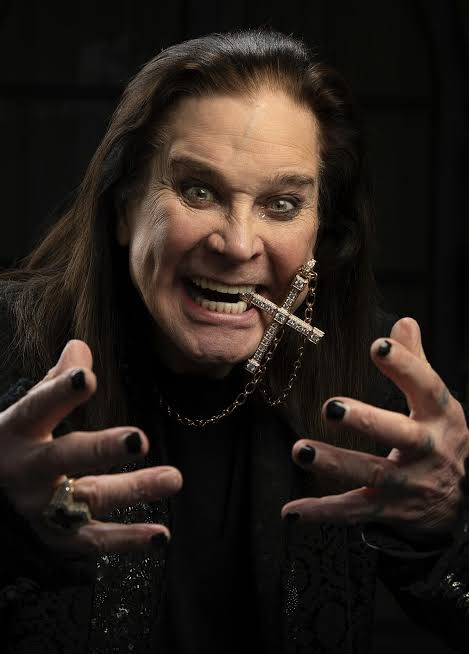
Tony Iommi Opens Up About His Final Conversation With Ozzy Osbourne: “I Still Can't Get It in My Head”
The Black Sabbath guitarist says Ozzy was exhausted after the band's emotional farewell — but determined to give fans one final show.