
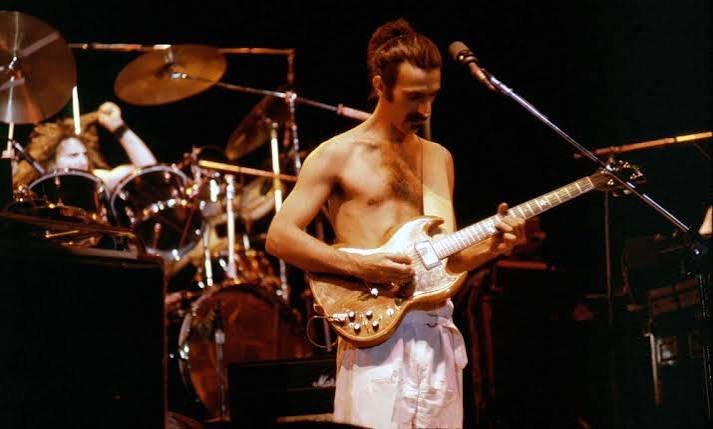
Frank Zappa Was a Much Better Guitarist Than Most People Realize
Strip away the satire, the sprawling discography and the sheer weirdness, and you're left with one of rock's most individual lead guitarists. A guitarist's look at Zappa's phrasing, rhythmic displacement, tone and the solos that prove it.
Frank Zappa is remembered for a lot of things.
He was a composer, bandleader, provocateur, satirist, studio obsessive and one of rock music's most relentlessly unconventional minds. He made records that could jump from orchestral composition to doo-wop, jazz fusion, hard rock and outright absurdity without asking permission from anyone.
But there's another version of Frank Zappa that sometimes gets buried underneath all of that.
Frank Zappa, the guitar player.
Strip away the mythology, the humor, the sprawling discography and the sheer weirdness surrounding his music, and you're left with one of rock's most individual lead guitarists. Zappa didn't simply have chops. Plenty of guitarists have chops.
He had a voice.
And once you learn to recognize it, a Zappa guitar solo can be remarkably difficult to mistake for anyone else.
[TOC]
Zappa Never Sounded Like He Was Following the Rules
The easiest way to understand Zappa's guitar playing may be to look at what he didn't do.
He didn't build his entire vocabulary around familiar blues-rock clichés. He didn't seem particularly interested in delivering the same dramatic pentatonic climax every time a solo section arrived. And although he possessed serious technique, his solos rarely felt designed primarily to demonstrate how technically impressive he was.
Zappa approached improvisation more like composition happening in real time.
That distinction matters. His lines could be angular and unpredictable. Rhythmic ideas could suddenly become more important than melody. Notes seemed to tumble across bar lines. A phrase might sound deliberately uncomfortable before suddenly resolving into something beautiful.
There was blues in his playing. There was rock. There was jazz. There was psychedelia. But ultimately, it sounded like Zappa.
His Rhythm Was Almost as Important as His Notes
Listen closely to a great Zappa solo and one of the first things that jumps out isn't necessarily the note choice. It's the rhythm.
Zappa could stretch phrases across the pulse in ways that made his improvisations feel almost conversational. Instead of predictable groups of notes landing neatly where a rock listener expects them, he'd manipulate subdivisions and accents until the guitar seemed to be arguing with the rhythm section.
That's part of what makes transcribing his playing so revealing. You can learn the pitches and still not sound remotely like him. The placement of those pitches is a huge part of the vocabulary.
Zappa's fascination with rhythm went far beyond guitar, of course. Complex rhythmic structures appeared throughout his compositions, and he surrounded himself with musicians capable of navigating music that could be brutally demanding. That environment inevitably affected his improvisational voice.
When Zappa stepped forward to solo, he wasn't a conventional rock guitarist temporarily playing over complicated music. He was the architect of the complicated music.
The SG Became Part of the Image
Although Zappa played numerous guitars throughout his career, Gibson SG-style instruments became particularly associated with him. The combination made sense.
Get Frank Zappa’s “Watermelon in Easter Hay” Tone
Tell ToneMD what guitar and gear you own and we’ll show you how to get as close as possible using the equipment you already have — full signal chain, real numbered settings, no guesswork.
Included with The Guitar Plugged Premium
An SG can be aggressive without becoming muddy, vocal without becoming overly polite. In Zappa's hands, the instrument could produce everything from biting, almost abrasive lead sounds to thick sustain.
But focusing too much on the guitar itself misses the larger point. Zappa was deeply interested in manipulating sound. Effects, amplification, EQ and studio technology weren't simply accessories. They were another set of compositional tools.
His guitar sound changed considerably throughout his career, but there was often an unmistakable midrange-forward quality that allowed individual notes to remain present even during dense performances. It wasn't necessarily "pretty." It was expressive.
"Black Napkins" Shows the Other Side of Zappa
If someone's mental image of Frank Zappa is dominated by comedy, absurd lyrics and musical chaos, play them "Black Napkins." It's one of the clearest arguments for taking Zappa seriously as a lead guitarist.
The piece gives his playing room to breathe. Rather than overwhelming the listener with constant information, Zappa develops ideas over an atmospheric foundation. There's sustain, melody and an almost haunting quality to parts of the improvisation.
And yet it never stops sounding like him. That's important, because "Black Napkins" demonstrates that Zappa's unconventional approach wasn't a substitute for emotion. He could play beautifully. He simply defined beauty on his own terms.
Then There's "Watermelon in Easter Hay"
For many fans, "Watermelon in Easter Hay" is the Zappa guitar performance. Appearing on Joe's Garage, the instrumental is one of the most emotionally direct pieces associated with a musician frequently characterized by irony.
The guitar practically sings. Long notes hang in the air. Phrases develop patiently. Zappa doesn't need to bury the listener beneath technique because the strength of the performance comes from its pacing and emotional trajectory.
X Concepts Strings • Made in USA
Never Run Out of Strings Again.
Join the X Concepts String Club and get fresh USA-made strings delivered every month—plus Premium membership options for the full Guitar Plugged experience.
It's an important lesson for guitarists: complexity doesn't always require density. A musician capable of extraordinarily complicated compositions can still understand the power of holding one note at exactly the right moment.
• Displace your phrases against the pulse instead of landing on the obvious beat
• Let rhythm — not just note choice — carry the identity of a lick
• Use sustain as a musical decision, not a break between fast runs
• Allow a phrase to sound uncomfortable before you resolve it
• Build tone around midrange presence so notes survive a dense mix
"Muffin Man" Reveals the Rock Guitarist
Then you have "Muffin Man." If "Watermelon in Easter Hay" reveals Zappa's lyrical side, "Muffin Man" provides plenty of evidence that he could simply rip.
“There are thousands of technically accomplished guitarists. There was one Frank Zappa.”
The famous guitar work associated with the song is thick, aggressive and unapologetically electric. This is where Zappa's relationship with traditional rock guitar becomes especially interesting.
He understood the language. He could play with distortion, sustain and attitude just as effectively as his contemporaries. He simply refused to remain inside that language.
Zappa could visit conventional rock guitar whenever he wanted. He just didn't live there.
Improvisation Was Central to His Music
Zappa's enormous catalog makes generalizations dangerous, but improvisation remained an important part of his musical identity. Live performance gave him opportunities to explore.
A solo didn't necessarily need to reproduce what happened on the record. The performance itself could become the composition.
This is also why digging through live Zappa recordings can be so rewarding for guitar players. You aren't simply hearing alternate versions of the same guitar solo. You're hearing the same musical mind confronted with different circumstances — different rhythm sections, different tempos, different nights, different ideas.
That unpredictability was part of the point.
He Surrounded Himself With Monsters
Another way to appreciate Zappa's musicianship is to look at the people capable of surviving in his bands. Across different eras, his musical world included extraordinarily capable players, and the list of musicians who worked with him is staggering.
Steve Vai is perhaps the most obvious guitar-related example. Before becoming one of the defining virtuoso guitarists of his generation, Vai worked with Zappa and famously handled extremely demanding musical material.
That connection alone tells you something about Zappa's standards. This wasn't a bandleader hiring musicians to make him look better. Zappa wanted players capable of realizing ideas that many musicians simply couldn't execute.
And then he would stand in the middle of that musical environment and improvise.
Why Guitarists Don't Talk About Zappa Enough
Ask guitarists to name the most important players of the 1960s and '70s and certain names arrive immediately: Jimi Hendrix, Eric Clapton, Jimmy Page, Jeff Beck, Ritchie Blackmore, David Gilmour, Tony Iommi.
Zappa sometimes arrives later in the conversation. Part of that is understandable. His music asks more from the listener.
You don't casually stumble into some of Zappa's catalog expecting three-minute blues-rock songs. Humor and satire can make it difficult to know when you're supposed to take something seriously. His enormous body of work can also be intimidating to newcomers.
And Zappa himself was larger than the role of "guitar hero." Ironically, his versatility may have prevented him from being recognized primarily as a guitarist.
Jimmy Page is inseparable from the Les Paul. Hendrix is inseparable from the Stratocaster. Zappa is inseparable from Zappa. The guitar was one component of a much larger creative identity.
He Didn't Need to Be the Fastest Player in the Room
This is another reason Zappa remains fascinating today. Guitar culture has spent decades trying to quantify ability. Who plays fastest? Who knows the most theory? Who has the hardest songs? Who has the cleanest technique?
Those questions can be fun, but eventually they miss something fundamental about music: can you recognize the player?
Zappa passes that test. Technique gave him options, but individuality gave those options meaning. His vibrato, rhythmic phrasing, note choices, tone and willingness to make deliberately strange musical decisions created something identifiable.
There are thousands of technically accomplished guitarists. There was one Frank Zappa.
Where Should a Guitarist Start With Frank Zappa?
Trying to enter Zappa's catalog chronologically can be intimidating. For guitarists specifically, start with the performances that put his instrument near the center of the experience.
Listen to "Watermelon in Easter Hay," "Black Napkins," "Muffin Man," "Zoot Allures" and "Inca Roads."
Don't initially worry about understanding the entire Zappa universe. Listen to the guitar. Pay attention to where his phrases begin and end. Listen to the rhythmic displacement. Notice when he chooses sustain instead of speed. Listen to the way the tone responds to his articulation.
Then listen again. Zappa's playing tends to reveal more once your ear becomes accustomed to his vocabulary.
Frank Zappa the Guitarist Deserves Another Listen
Frank Zappa doesn't need another accolade added to his résumé. His place in music history is secure.
But guitar players sometimes reduce him to the eccentric composer who also happened to play guitar. That gets the relationship backward. The guitar was one of the primary voices through which Zappa expressed his musical ideas.
He could be ugly when everyone expected beautiful. He could be melodic when everyone expected weird. He could play something technically demanding without making technique the entire reason for the performance.
And when he found the right combination of tone, rhythm, melody and improvisation, he could create guitar music that remains completely unmistakable decades later. Maybe that's a better measure of greatness than speed ever was.
You don't have to ask whether Frank Zappa could play. You only have to hear a few notes before realizing exactly who's playing them.
Experience-driven coverage, not algorithm bait.
- 20+ years of guitar playing experience
- Real-world retail experience at Guitar Center
- Thousands of hours testing guitars, amps, and pedals
- A community of 50,000+ guitar enthusiasts across platforms
- Partnerships with Fender, DistroKid, TrueFire, Card Chords, and Enya
- Editorial standards published openly — see how we test gear
The Modern Guitar Magazine. Delivered to your inbox.
No spam. No gimmicks. Just great guitar content — stories, tones, iconic solos, and honest gear takes. Every week.
Ask GP
3 free questions a dayStill curious? Ask GP about this story.
Your personal classic-rock and guitar guide — ask anything about Frank Zappa Was a Much.
Discussion (0)
Sign in to join the discussion.
Sign in to commentLoading comments…
Discover another guitar story
Swipe through our latest features, breaking news and iconic solos — one story at a time.
Open Swipe →More in Guitar Talk
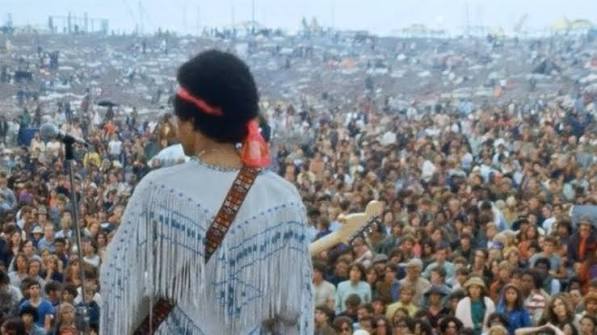
The 10 Greatest Guitar Renditions of “The Star-Spangled Banner”
From Jimi Hendrix's controlled chaos at Woodstock to modern performances by H.E.R., Gary Clark Jr. and Jack White, these guitarists turned America's national anthem into something deeply personal.
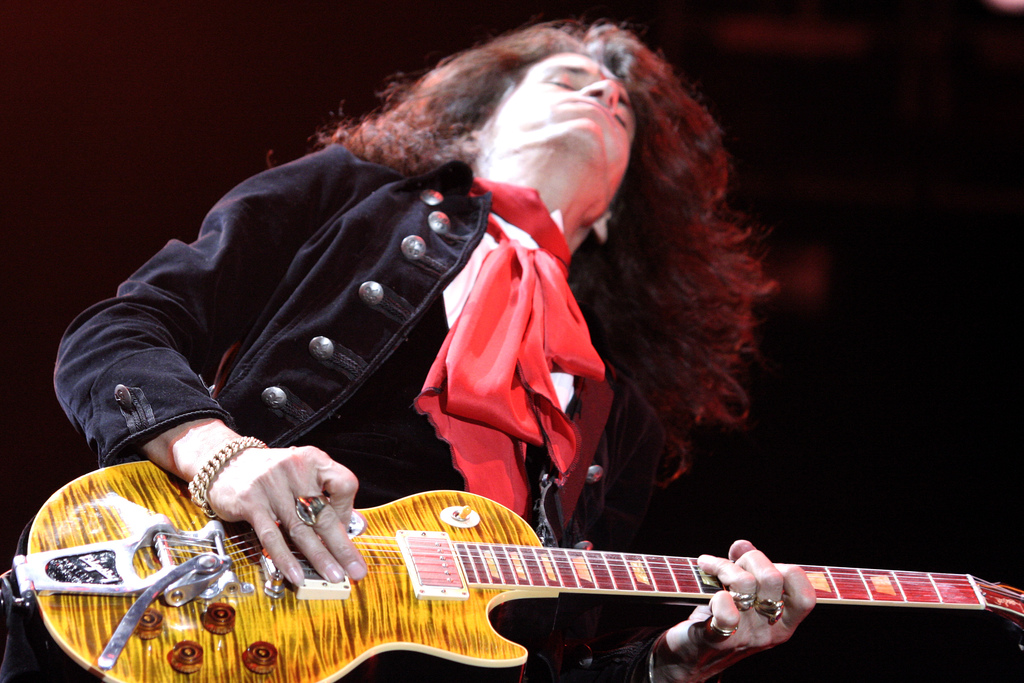
Happy Birthday, Joe Perry: The Riff Machine Who Gave Aerosmith Its Swagger
Joe Perry turns 76 today. From the swampy grind of “Sweet Emotion” to the reunion that saved a band, this is the career of the guitarist who taught American hard rock how to strut.
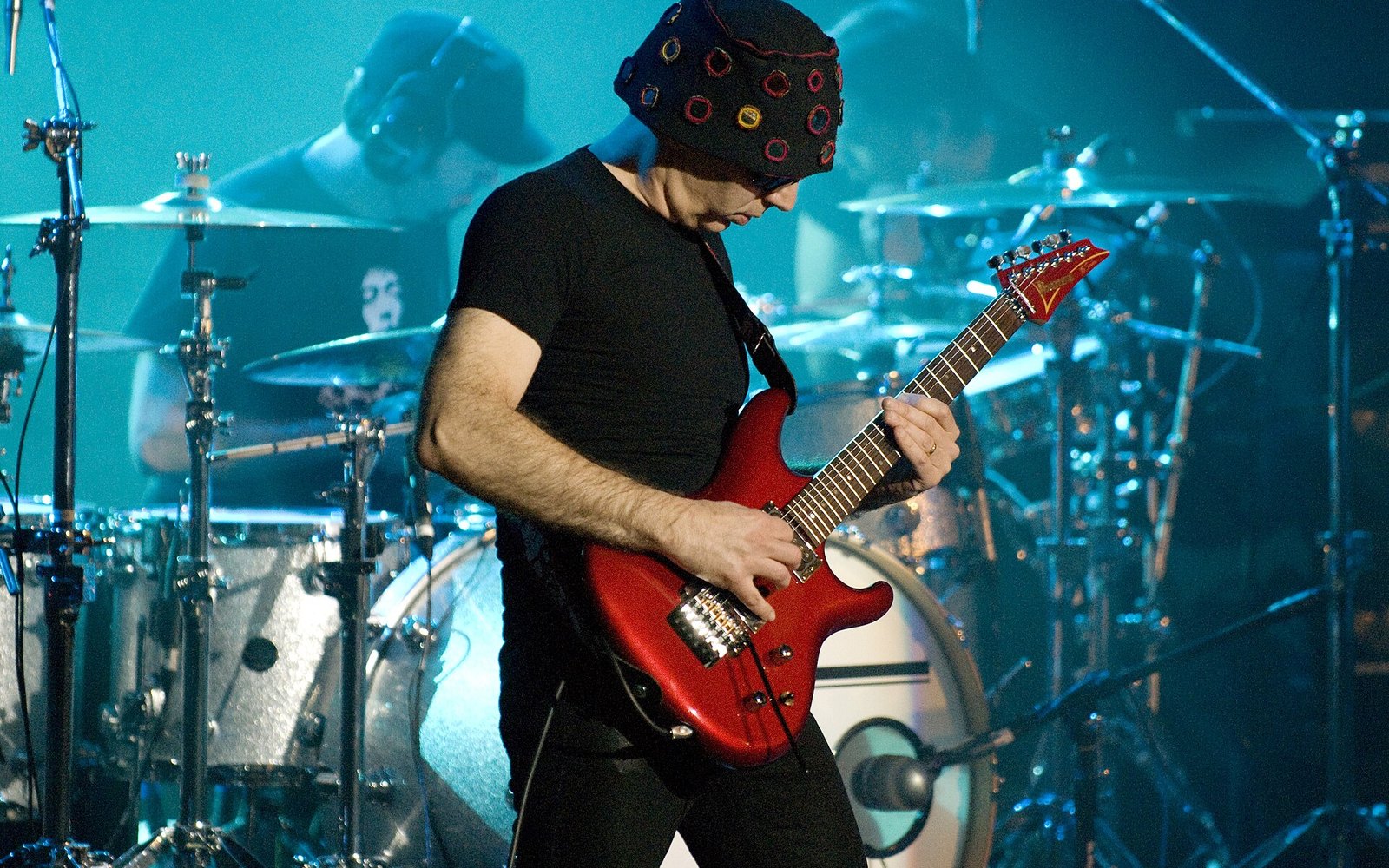
History of the Riff: How Joe Satriani Made “Flying in a Blue Dream” Feel Weightless
An acoustic guitar in an unusual tuning, a stray broadcast and a melody that seems to hang in the air: inside the construction of Satriani’s 1989 masterpiece.