The 10 Greatest Guitar Renditions of “The Star-Spangled Banner”
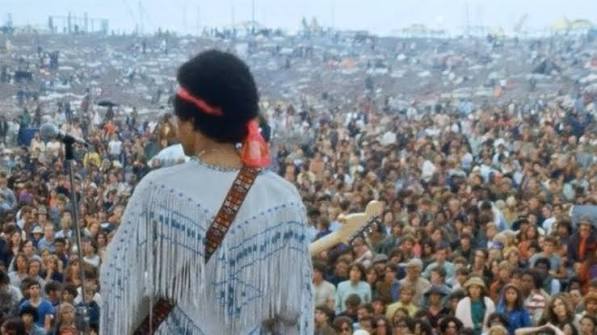
Jimi Hendrix performing at Woodstock, August 1969. The Guitar Plugged editorial photo archive.
From Jimi Hendrix's controlled chaos at Woodstock to modern performances by H.E.R., Gary Clark Jr. and Jack White, these guitarists turned America's national anthem into something deeply personal.
“The Star-Spangled Banner” was never written with the electric guitar in mind.
Its melody stretches across a notoriously difficult vocal range. Its rhythm leaves little room for error. Its place in American culture means that every deviation from tradition is noticed, analyzed and sometimes criticized.
For guitarists, however, those limitations have made the national anthem an irresistible challenge.
The familiar melody offers the perfect canvas for bending strings, sustained notes, harmonics, feedback, slide guitar and controlled distortion. In the right hands, it can become a blues lament, a metal instrumental, a psychedelic sound collage or a soaring stadium-rock performance.
The greatest guitar renditions do more than reproduce the melody. They reveal something about the player performing it. Jimi Hendrix heard conflict and chaos inside the song. José Feliciano found warmth and vulnerability. Stevie Ray Vaughan dragged it through Texas blues. Steve Vai reshaped it with the vocabulary of a virtuoso. H.E.R. brought it into the modern era without sacrificing its emotional weight.
There have been hundreds of guitarists who have performed the anthem at sporting events, concerts, military ceremonies and national celebrations. Some remained faithful to the original melody. Others used it merely as a starting point.
These are The Guitar Plugged's picks for the 10 greatest guitar renditions of “The Star-Spangled Banner.”
Detroit Tigers Opening Day, 2022
A battered Kay archtop and a slide, played with all the rough edges left in.
“Metallica Night,” San Francisco Giants
A harmonized metal instrumental that never tips into parody.
A Heavy-Metal Anthem
Violent vibrato, pinched harmonics and a tone that fills every available inch.
MTV's “Rock N' Jock,” 1990
Whammy dives, legato and theater from the era's defining virtuoso.
NBA Finals, 2018
Sustained, vocal phrasing that draws an arena closer instead of overwhelming it.
NBA All-Star Game, 2019
Voice and guitar in conversation, with fuzz and blues bends answering every line.
Houston Astrodome, 1985
Electric slide, no frets to hide behind, and the ache of Texas blues.
Super Bowl LV, 2021
A disciplined vocal build that ends in a fiery electric statement.
1968 World Series
The acoustic performance that made every stylized anthem after it possible.
Woodstock, 1969
Feedback, tremolo and distortion turned into one of the most important electric-guitar performances ever captured.
10. Jack White — Detroit Tigers Opening Day, 2022
Jack White has always sounded most comfortable when a performance feels slightly unstable.
That made him an inspired choice to perform an instrumental national anthem before the Detroit Tigers' 2022 home opener at Comerica Park. Rather than cleaning up his sound for the occasion, White approached the song with the same rawness that has defined his work since the earliest White Stripes records.
Armed with a battered vintage Kay archtop and a slide, White delivered a version filled with metallic edges, buzzing sustain and sharply bent notes. It was not polished in the conventional stadium-performance sense. It sounded physical, immediate and unmistakably connected to Detroit.
The slide allowed White to move around the melody with a vocal quality, sometimes landing directly on a note and sometimes reaching it through a rough, expressive glide. His band supported him without overpowering the anthem, giving the performance enough rhythmic force to feel substantial while leaving the guitar in the foreground.
White did not try to imitate Hendrix, nor did he transform the anthem into a technical showcase. He filtered it through his own battered-guitar aesthetic.
That authenticity is precisely why the performance worked.
9. Metallica's James Hetfield and Kirk Hammett — “Metallica Night”
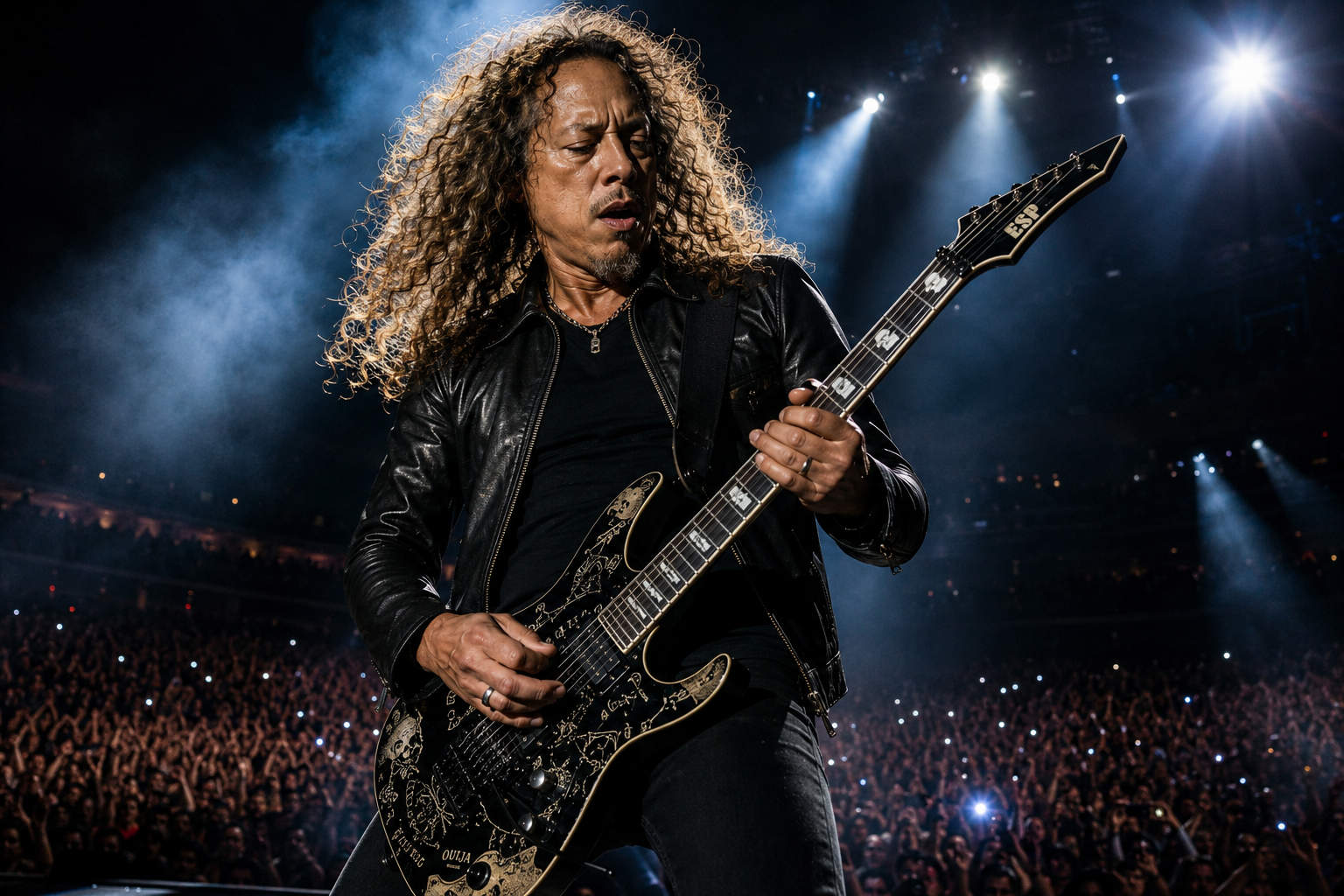
Photo: Kirk Hammett performing live with Metallica — The Guitar Plugged editorial photo archive.
James Hetfield and Kirk Hammett have performed the national anthem on multiple occasions as part of the San Francisco Giants' annual Metallica Night celebrations.
The pairing makes perfect sense. Few guitar teams are more closely associated with power, precision and massive live sound. Yet their anthem performances are generally more restrained than a listener might expect from the band responsible for “Master of Puppets” and “Battery.”
Hetfield typically handles the foundation, supplying broad rhythm chords and harmonized support while Hammett carries the melody. Their contrasting guitar identities remain intact: Hetfield sounds forceful and deliberate, while Hammett adds sustained lead notes, vibrato and flashes of his more expressive style.
The arrangement transforms the anthem into a harmonized metal instrumental without turning it into a Metallica medley. There is distortion, but the melody remains recognizable. There is power, but it never becomes parody.
What makes these performances special is the sight and sound of two musicians known for some of metal's heaviest riffs applying their trademark twin-guitar attack to a melody almost every American has known since childhood.
It is controlled, muscular and unmistakably Metallica.
8. Zakk Wylde — A Heavy-Metal Anthem
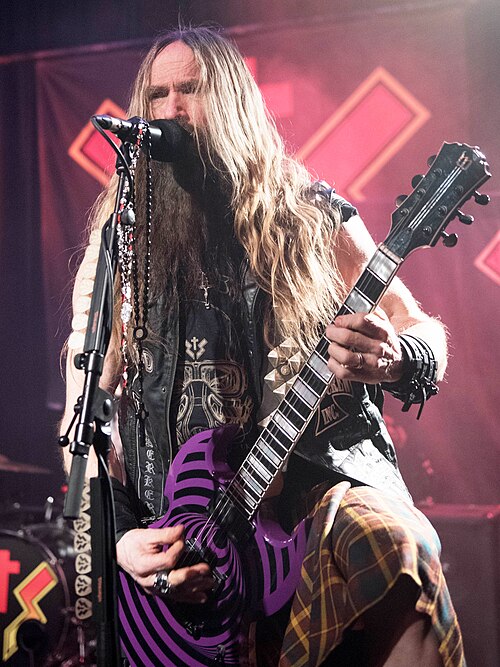
Photo: Zakk Wylde onstage — The Guitar Plugged editorial photo archive.
Few guitarists could make “The Star-Spangled Banner” sound heavier than Zakk Wylde.
Wylde's rendition is built around the characteristics that have defined his playing throughout his career: aggressive vibrato, huge pinched harmonics, wide bends and a guitar tone that seems to occupy every available inch of space.
Where more traditional players emphasize the stately nature of the anthem, Wylde treats the melody as though it were the introduction to an arena-sized Black Label Society song. Notes are allowed to hang in the air before being shaken with his unmistakably violent vibrato. Harmonics leap from the guitar. Even the spaces between phrases feel heavy.
The remarkable part is that Wylde's technique never completely buries the melody. Beneath the distortion and bravado is a player with a strong command of phrasing. He knows when to decorate the tune and when to let its original shape carry the moment.
Plenty of technically gifted guitarists have performed the anthem, but few have stamped their identity onto it as instantly as Wylde.
Within the first several notes, there is no mistaking who is holding the guitar.
7. Steve Vai — MTV's “Rock N' Jock,” 1990
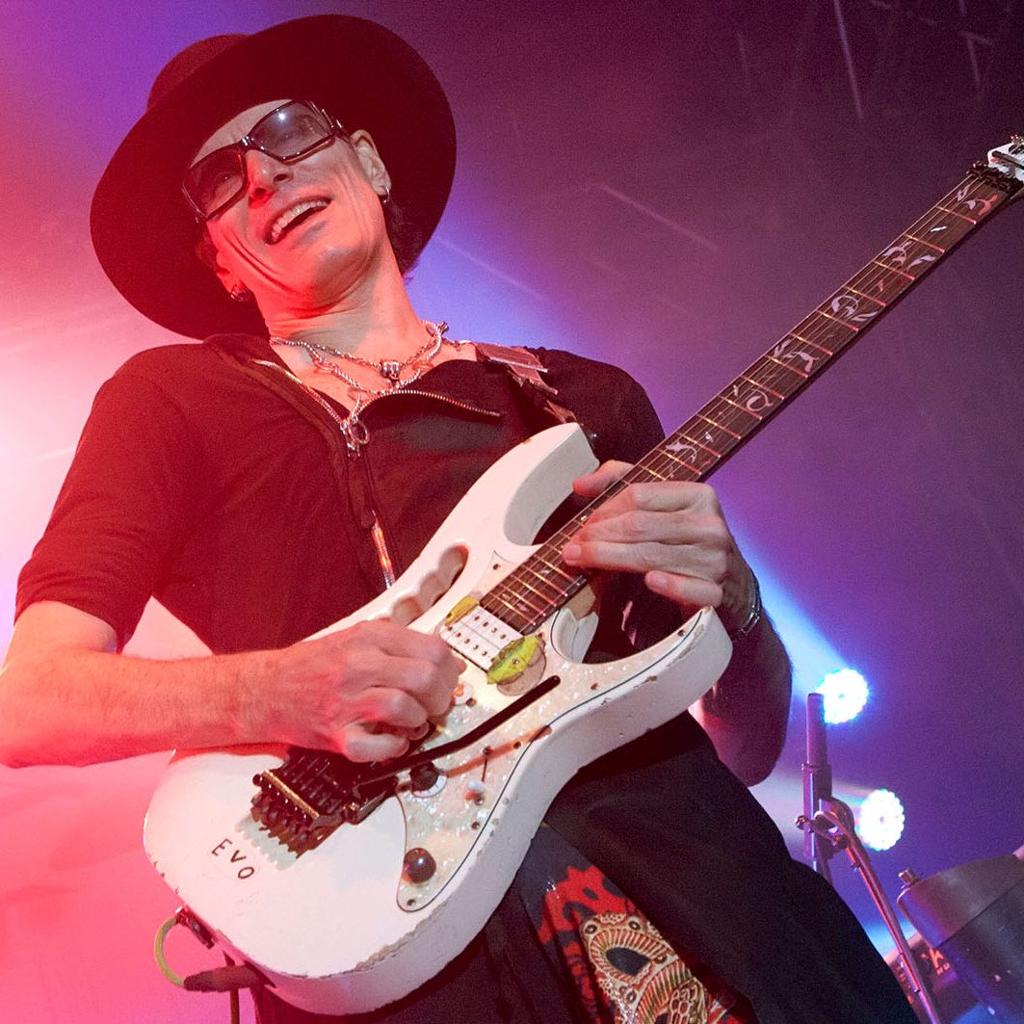
Photo: Steve Vai onstage — The Guitar Plugged editorial photo archive.
Steve Vai's 1990 performance for MTV's “Rock N' Jock” arrived during one of the most exciting periods of his career.
Vai approached the anthem with the imagination of a composer and the vocabulary of a virtuoso. Whammy-bar dives, fluid legato, harmonics and dramatic changes in dynamics all became part of the arrangement.
In less capable hands, that amount of technique could have turned the performance into an empty exhibition. Vai made it feel theatrical instead.
He understood that “The Star-Spangled Banner” already contains drama. His job was not to replace it but to exaggerate it. Notes seem to rise, collapse and reappear. The guitar occasionally sounds almost orchestral, with Vai using pitch manipulation and sustain to create movement beyond the limitations of a single instrument.
The performance is also a vivid snapshot of electric-guitar culture at the beginning of the 1990s. Technical playing had reached an extraordinary level, and Vai stood at the center of it. Yet he was never merely fast. His greatest strength was — and remains — his ability to make the guitar behave like a character.
Here, the instrument does not simply play the anthem. It delivers a monologue.
6. Carlos Santana and Cindy Blackman Santana — NBA Finals, 2018
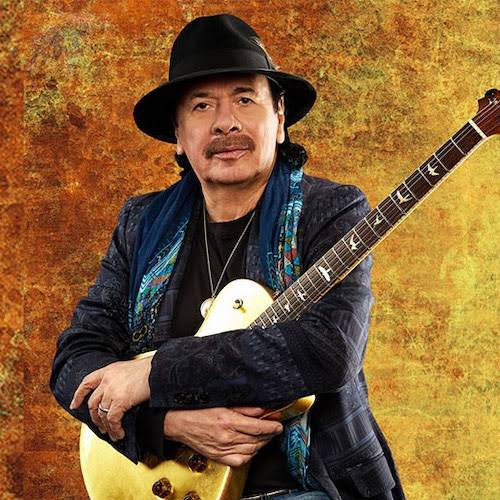
Photo: Carlos Santana onstage — The Guitar Plugged editorial photo archive.
Carlos Santana has one of the most recognizable sounds in guitar history.
His sustained lead tone, vocal phrasing and carefully controlled vibrato can make a single note feel complete. Those qualities were perfectly suited to his performance of the anthem before Game 2 of the 2018 NBA Finals at Oracle Arena.
Accompanied by drummer Cindy Blackman Santana, Carlos avoided unnecessary excess. His interpretation was expressive without becoming overworked, and spiritual without losing the melody.
Santana has always played as though the guitar were an extension of the human voice. During the anthem, he allowed notes to bloom and decay naturally, shaping the melody with the same touch heard throughout his most celebrated recordings.
Blackman Santana's drums added power and ceremony without making the arrangement feel crowded. The two musicians created a genuine performance rather than a guitarist playing over a generic backing track.
Some anthem renditions seek to overwhelm an audience. Santana's strength was his ability to draw the audience closer.
The performance was dignified, personal and instantly identifiable.
X Concepts Strings • Made in USA
Never Run Out of Strings Again.
Join the X Concepts String Club and get fresh USA-made strings delivered every month—plus Premium membership options for the full Guitar Plugged experience.
5. Gary Clark Jr. — NBA All-Star Game, 2019
Gary Clark Jr. stood alone on the court before the 2019 NBA All-Star Game in Charlotte with an electric guitar and an enormous amount of open space to fill.
He filled it with tone.
Clark's rendition began with restraint, giving the melody room to breathe before gradually introducing more distortion and intensity. His voice carried the main lyric while his guitar acted as a second vocalist, responding to phrases with blues bends, fills and bursts of fuzz.
That conversation between voice and guitar distinguished Clark's performance from purely instrumental versions. He was not using the instrument merely for accompaniment. The guitar commented on the words, sometimes reinforcing the melody and sometimes pushing against it.
There were echoes of Hendrix in the distorted textures, but Clark never sounded like an impersonator. His tone was rooted in his own mixture of Texas blues, soul, garage rock and modern fuzz.
“José Feliciano proved that the anthem could be reinterpreted. Hendrix proved that it could become something entirely new.”
Most importantly, the performance felt dangerous without becoming disorganized. Clark allowed rough edges to remain. Notes cracked open. The guitar growled between vocal lines. The anthem was respected, but it was not placed behind glass.
It sounded alive.
4. Stevie Ray Vaughan — Houston Astrodome, 1985
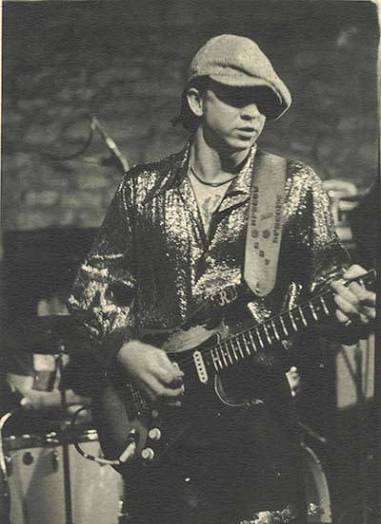
Photo: Stevie Ray Vaughan with his battered Stratocaster — The Guitar Plugged editorial photo archive.
Stevie Ray Vaughan's 1985 rendition of the anthem at the Houston Astrodome was not technically perfect.
That is part of what makes it so compelling.
Playing the melody on electric slide guitar, Vaughan produced a version that felt raw, exposed and unpredictable. Some phrases landed beautifully. Others appeared to fight against the instrument. The reaction inside the stadium was mixed, and the performance has remained divisive among listeners.
But guitar history is not built exclusively from flawless performances.
Vaughan's version matters because it captured a fearless player attempting to pull the anthem into his own musical language in real time. Slide guitar introduces an entirely different level of instability. There are no frets guiding each pitch. Every note must be located and controlled by the player's ear and hand.
Vaughan leaned into that danger.
The result carried the ache of Texas blues. Notes approached the melody from above and below. His thick tone gave the anthem physical weight, while his use of slide made familiar phrases sound wounded and human.
It is easy to judge a performance like this against a perfectly tuned studio recording. That misses the point. Vaughan was standing in a massive stadium, playing one of the most recognizable melodies in American culture with nothing but an electric guitar, a slide and his instincts.
It was imperfect, audacious and completely real.
3. H.E.R. — Super Bowl LV, 2021
H.E.R.'s performance before Super Bowl LV represented a new generation of guitar-driven interpretations.
Beginning with a relatively traditional vocal approach, she allowed the arrangement to build gradually. The early section emphasized her voice, giving the lyrics appropriate space and weight. The guitar remained present but disciplined.
Then came the closing statement.
H.E.R. moved into a fiery electric-guitar passage that turned the final portion of the anthem into a modern rock and R&B showcase. Her tone was polished but still forceful, and her phrasing balanced technical confidence with melodic clarity.
The performance succeeded because she did not treat the guitar solo as a disconnected display. It felt like the emotional conclusion of the arrangement. The voice established the message; the guitar released the tension.
Performing at a Super Bowl guarantees an enormous audience and equally enormous scrutiny. Every note, wardrobe choice and arrangement decision is discussed immediately. H.E.R. appeared completely composed throughout it.
She also delivered something increasingly rare on a stage of that size: a mainstream national-anthem performance in which the electric guitar became one of the defining voices.
It was respectful without being conservative, contemporary without chasing a trend, and technically impressive without losing its emotional center.
2. José Feliciano — 1968 World Series
Before Hendrix played Woodstock, José Feliciano changed the rules.
On October 7, 1968, the 23-year-old guitarist performed the anthem before Game 5 of the World Series at Detroit's Tiger Stadium. Accompanying himself on acoustic guitar, Feliciano slowed the melody, altered its rhythm and delivered it with the relaxed feel of folk, blues and Latin music.
By modern standards, the arrangement may sound intimate and tasteful. In 1968, it was considered radical.
Some listeners were outraged that Feliciano had departed from the established ceremonial format. Radio stations reportedly stopped playing his records, and the performance became a national controversy.
History ultimately reached a different verdict.
Feliciano demonstrated that performing the anthem did not require erasing the musician's identity. A guitarist could honor the song while changing its rhythm, harmony, phrasing and emotional character.
His guitar work was not flashy. That was never the point. The lightly syncopated accompaniment changed the anthem's entire atmosphere, replacing military formality with something personal and reflective.
Feliciano's influence can be heard in nearly every stylized anthem performance that followed. He opened the door that later allowed rock, blues, soul and pop musicians to reinterpret the song for new generations.
Without José Feliciano's courage in 1968, the world might not have been ready for what happened at Woodstock less than a year later.
1. Jimi Hendrix — Woodstock, 1969
Photo: Jimi Hendrix at Woodstock, August 1969 — The Guitar Plugged editorial photo archive.
There was never any real debate about number one.
On the morning of August 18, 1969, Jimi Hendrix stood on the Woodstock stage and transformed “The Star-Spangled Banner” into one of the most important electric-guitar performances ever captured.
By the time Hendrix played, the enormous festival crowd had thinned considerably. The field was covered in mud and debris. What had been advertised as three days of peace and music had stretched into Monday morning.
Hendrix began the anthem as part of a longer medley. At first, the melody emerged clearly from his white Fender Stratocaster. Then the performance began to fracture.
Through feedback, tremolo manipulation, distortion and extraordinary control, Hendrix made the guitar imitate the sounds of aircraft, explosions, alarms and human cries. The familiar melody repeatedly surfaced from the chaos before being swallowed by noise.
It has often been described as a protest against the Vietnam War. Others have heard it as a patriotic statement, a portrait of a country surviving its own violence or simply an example of Hendrix exploring the sonic possibilities of the electric guitar.
Its power comes partly from the fact that it can contain all of those meanings at once.
Hendrix did not deliver a speech before playing. He did not explain the performance afterward from the stage. He allowed the guitar to create the argument.
Technically, the piece remains astonishing. The violent sounds were not random accidents. Hendrix manipulated feedback, pitch and amplifier noise with purpose, moving between recognizable melodic passages and near-abstract sound effects without losing control of the larger performance.
More than half a century later, guitarists still perform the anthem in Hendrix's shadow.
Some borrow his distortion. Others copy the sustained opening phrases or reach for the tremolo bar when the arrangement needs drama. Even players who deliberately avoid sounding like Hendrix are responding to the standard he established.
José Feliciano proved that the anthem could be reinterpreted. Hendrix proved that it could become something entirely new.
It was not simply the greatest guitar rendition of “The Star-Spangled Banner.”
It was one of the moments when the electric guitar demonstrated that it could document history, challenge an audience and speak about a country without using a single word.
More Than a Melody
The greatest national-anthem performances tell us as much about the guitarist as they do about the song.
Jack White found grit in it. Metallica found power. Zakk Wylde found heaviness. Steve Vai discovered theater and possibility. Santana uncovered its spiritual quality. Gary Clark Jr. pulled it into the blues. Stevie Ray Vaughan accepted its danger. H.E.R. gave it a modern voice. José Feliciano changed the tradition.
Jimi Hendrix changed the meaning of what an electric guitar performance could be.
That is why his Woodstock rendition remains untouchable — and why guitarists continue picking up the instrument and attempting to say something new through a melody the entire country already knows.
What is the greatest guitar rendition of “The Star-Spangled Banner”?
Tap your pick. One vote per reader.
Frequently Asked Questions
- Who played the most famous guitar version of the national anthem?
- Jimi Hendrix, at Woodstock on the morning of August 18, 1969. His instrumental reading of “The Star-Spangled Banner” remains the most discussed and most imitated guitar performance of the song.
- Why was José Feliciano's 1968 anthem controversial?
- Feliciano performed it on acoustic guitar before Game 5 of the 1968 World Series at Detroit's Tiger Stadium, slowing the melody and reshaping its rhythm. Departing from the ceremonial format was considered radical at the time and drew a national backlash.
- Did Stevie Ray Vaughan play the anthem on slide guitar?
- Yes. His 1985 performance at the Houston Astrodome was played on electric slide, which is part of why it sounds so exposed and unpredictable.
Experience-driven coverage, not algorithm bait.
- 20+ years of guitar playing experience
- Real-world retail experience at Guitar Center
- Thousands of hours testing guitars, amps, and pedals
- A community of 50,000+ guitar enthusiasts across platforms
- Partnerships with Fender, DistroKid, TrueFire, Card Chords, and Enya
- Editorial standards published openly — see how we test gear
The Modern Guitar Magazine. Delivered to your inbox.
No spam. No gimmicks. Just great guitar content — stories, tones, iconic solos, and honest gear takes. Every week.
Ask GP
3 free questions a dayStill curious? Ask GP about this story.
Your personal classic-rock and guitar guide — ask anything about The 10 Greatest Guitar Renditions.
Discussion (0)
Sign in to join the discussion.
Sign in to commentLoading comments…
Discover another guitar story
Swipe through our latest features, breaking news and iconic solos — one story at a time.
Open Swipe →More Guitar News
Jimi Hendrix at Woodstock: The Performance That Redefined Electric Guitar Forever
On the morning of August 18, 1969, Jimi Hendrix walked onto the Woodstock stage and delivered one of the most influential guitar performances ever witnessed — a set that turned the Stratocaster into a new instrument and the American anthem into a statement heard around the world.
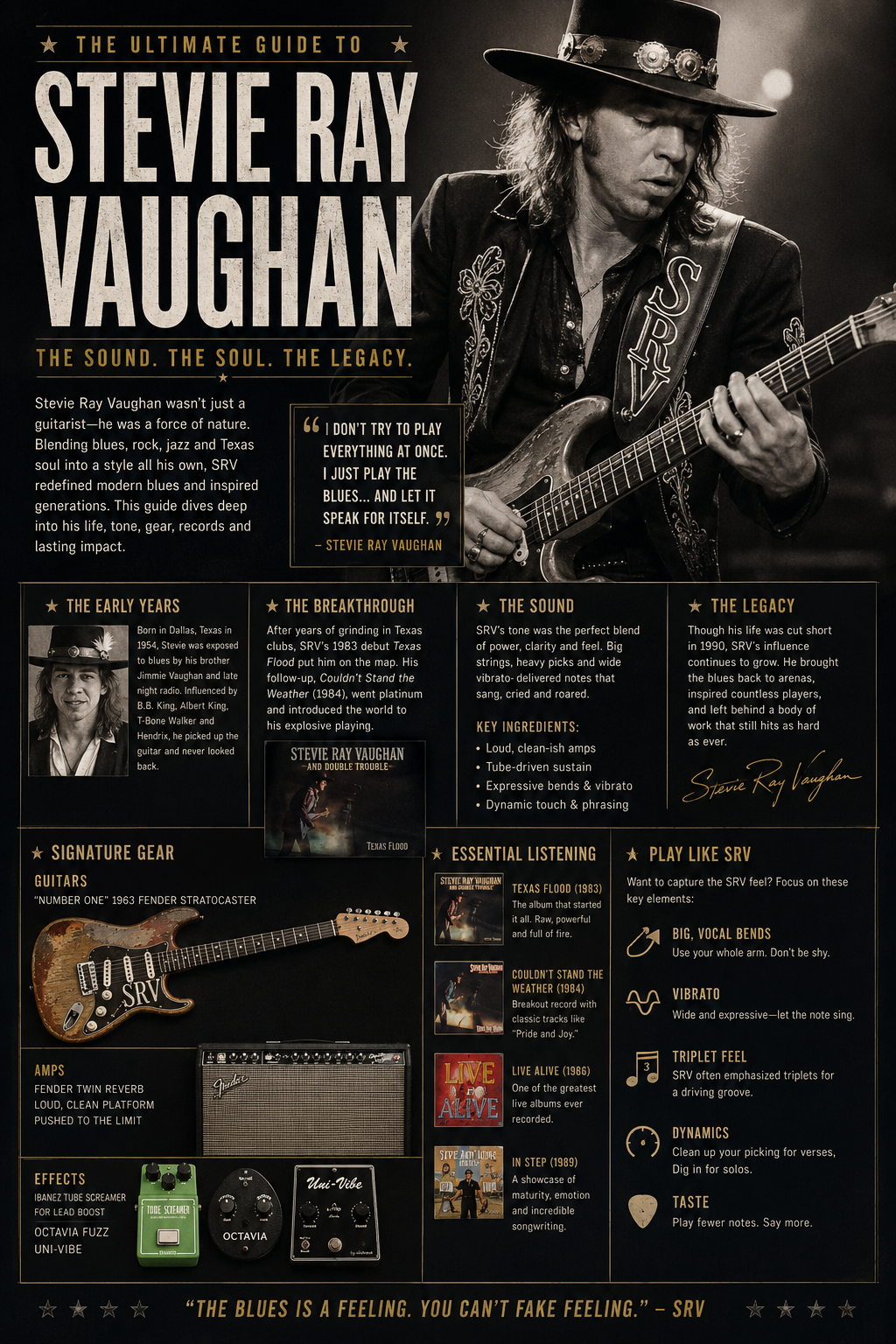
The Ultimate Guide to Stevie Ray Vaughan: The Guitarist Who Brought the Blues Back to Life
Biography, gear, technique, tone secrets, top songs, and beginner tips for chasing the sound of the man who dragged the blues back into the spotlight.
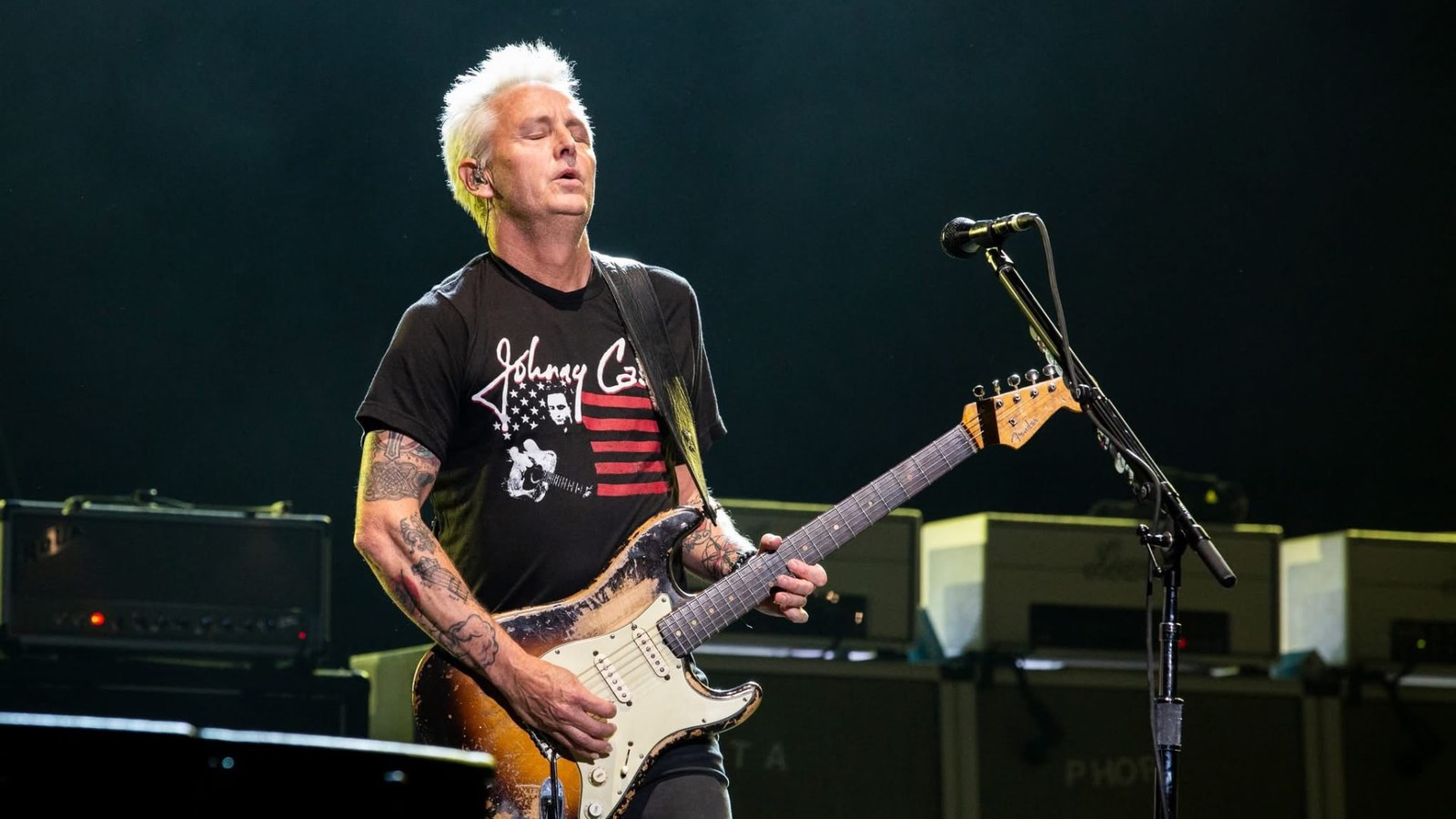
Mike McCready Plugged In, Faced the Flag, and Gave Seattle Its Hendrix Moment
One guitarist, one Strat, one stadium full of people who grew up on Seattle guitar. McCready's anthem at Lumen Field was a straight line back to Hendrix — and it landed.