Tone Decoded: How John Mayer Gets His Legendary Guitar Tone
From Continuum to Dead & Company — decoding the guitars, amps, pedals, and touch behind John Mayer's instantly recognizable tone.
Few modern guitarists have inspired more tone chasing than John Mayer.
Whether he's playing the soulful blues of Continuum, the clean pop tones of Room for Squares, or the improvisational jams of Dead & Company, Mayer's tone has become one of the most recognizable sounds in modern guitar.
The good news? While Mayer's touring rigs can cost tens of thousands of dollars, the core ingredients behind his sound are surprisingly easy to understand.
Let's decode the tone.
The Foundation: A Strat-Style Guitar
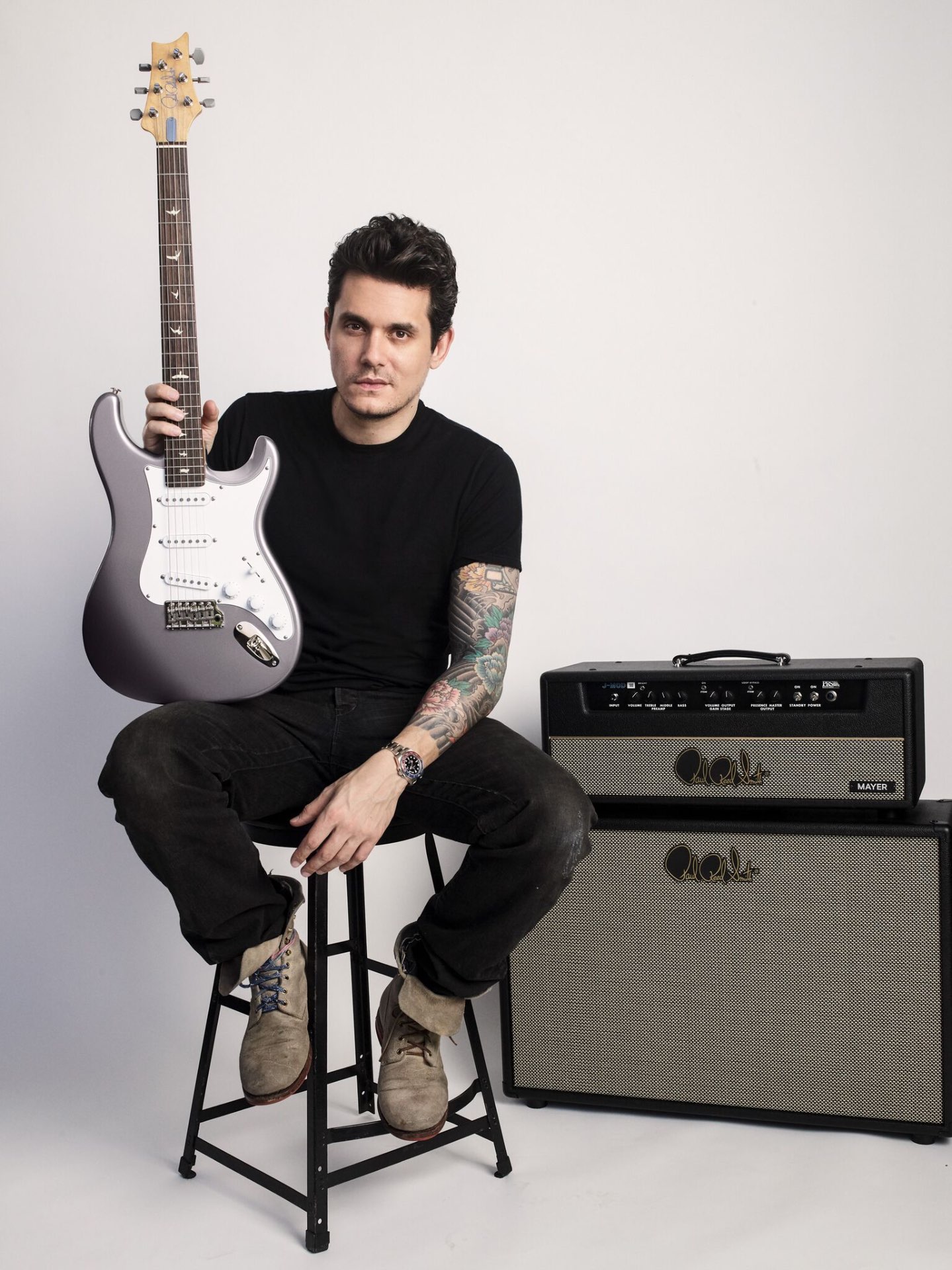
If there's one piece of gear most associated with Mayer, it's a Strat-style guitar.
For years he relied on Fender Stratocasters before eventually partnering with PRS to create the Silver Sky.
• Single-coil pickups
• Clear highs
• Bell-like clean tones
• Strong note separation
• Dynamic response
Mayer frequently uses positions 2 and 4 on a five-way switch, creating the famous "quack" tones heard throughout many of his recordings.
• Squier Classic Vibe Stratocaster
• Fender Player Stratocaster
• PRS SE Silver Sky
The Secret Sauce: Clean Headroom
Unlike many rock guitarists, Mayer's tone starts with an extremely clean amplifier.
Historically he has used the Dumble Steel String Singer, Two-Rock amplifiers, and Fender-style clean amps.
The goal isn't distortion. The goal is huge clean headroom that remains clear even when pushed hard.
• Tight low end
• Sparkling highs
• Rich mids
• Dynamic response
Get John Mayer’s “Gravity” Tone
Tell ToneMD what guitar and gear you own and we’ll show you how to get as close as possible using the equipment you already have — full signal chain, real numbered settings, no guesswork.
Included with The Guitar Plugged Premium
A clean amp allows every nuance of your picking attack to come through.
• Fender Blues Junior
• Fender Hot Rod Deluxe
• Boss Katana 100
• Fender Tone Master Deluxe Reverb
The Overdrive Sound
One of the biggest misconceptions about Mayer's tone is that it's completely clean. It's not.
Most of his iconic tones feature mild overdrive that adds warmth, sustain, and thickness without sounding heavily distorted.
• Klon Centaur
• Ibanez Tube Screamer
• Analogman King of Tone
The gain remains relatively low. Instead of adding distortion, these pedals push the front end of the amplifier harder. The result is a tone that feels bigger while still sounding clean.
• JHS 3 Series Overdrive
• Wampler Tumnus
• Ibanez Tube Screamer Mini
• MXR Timmy
“You can buy every piece of gear in his rig and still not sound like John Mayer. The way he attacks the strings is every bit as important as the equipment.”
Compression Matters
A compressor is one of the hidden ingredients behind Mayer's polished clean sound.
• Smooths out dynamics
• Increases sustain
• Adds perceived thickness
• Improves note clarity
Subtle compression can instantly move your tone closer to the polished studio sounds heard on albums like Continuum.
• Keeley Compressor Plus
• Xotic SP Compressor
• Wampler Ego Compressor
Delay and Reverb
Mayer rarely uses excessive effects. Instead, he adds just enough ambience to create space.
Delay: 300–450ms, low mix, 2–4 repeats
Reverb: Plate or spring, low to moderate mix
The goal is depth without washing out the notes.
The Most Important Ingredient: Touch
This is where many players miss the point. A huge part of Mayer's sound comes from his hands.
• Controlled dynamics
• Smooth vibrato
• Precise bending
• Fingerstyle techniques
• Consistent picking attack
You can buy every piece of gear in his rig and still not sound like John Mayer. The way he attacks the strings is every bit as important as the equipment.
A Budget John Mayer Rig
If you're building a Mayer-inspired setup without spending thousands:
Guitar: PRS SE Silver Sky
Amp: Boss Katana 100
Overdrive: Wampler Tumnus
Compressor: Xotic SP Compressor
Reverb: Built into the amp
This setup can get surprisingly close to the warm, articulate tones heard throughout Mayer's catalog.
Final Thoughts
John Mayer's tone proves that great guitar sound isn't about massive gain or complicated signal chains. It's about clarity, touch, dynamics, and choosing gear that allows your playing to shine.
Start with a Strat-style guitar, pair it with a clean amp, add a touch of overdrive and compression, and focus on your technique.
The rest is in your hands.
What's Your Take?
Have you tried chasing John Mayer's tone? What guitar, amp, or pedal got you closest? Let us know in the comments below.
Shop John Mayer-Inspired Gear
Some links may be affiliate links. We may earn a small commission at no cost to you.
Experience-driven coverage, not algorithm bait.
- 20+ years of guitar playing experience
- Real-world retail experience at Guitar Center
- Thousands of hours testing guitars, amps, and pedals
- A community of 50,000+ guitar enthusiasts across platforms
- Partnerships with Fender, DistroKid, TrueFire, Card Chords, and Enya
- Editorial standards published openly — see how we test gear
The Modern Guitar Magazine. Delivered to your inbox.
No spam. No gimmicks. Just great guitar content — stories, tones, iconic solos, and honest gear takes. Every week.
Discussion (0)
Sign in to join the discussion.
Sign in to commentLoading comments…
Discover another guitar story
Swipe through our latest features, breaking news and iconic solos — one story at a time.
Open Swipe →More in Tone Decoded
The Last 10%: Why You Can Copy a Famous Guitarist’s Entire Rig and Still Miss the Tone
You bought the guitar, the amp, and the pedals — so why doesn’t it sound right? The last 10 percent of guitar tone is the most important part, and it’s almost never about the gear list.
Why John Frusciante's Tone Is Harder to Copy Than You Think
Everyone chases the Strat, the Tube Screamer, the CE-1 chorus. But the real Frusciante sound lives in his hands, his dynamics, and the way he treats pedals like colors — not crutches.
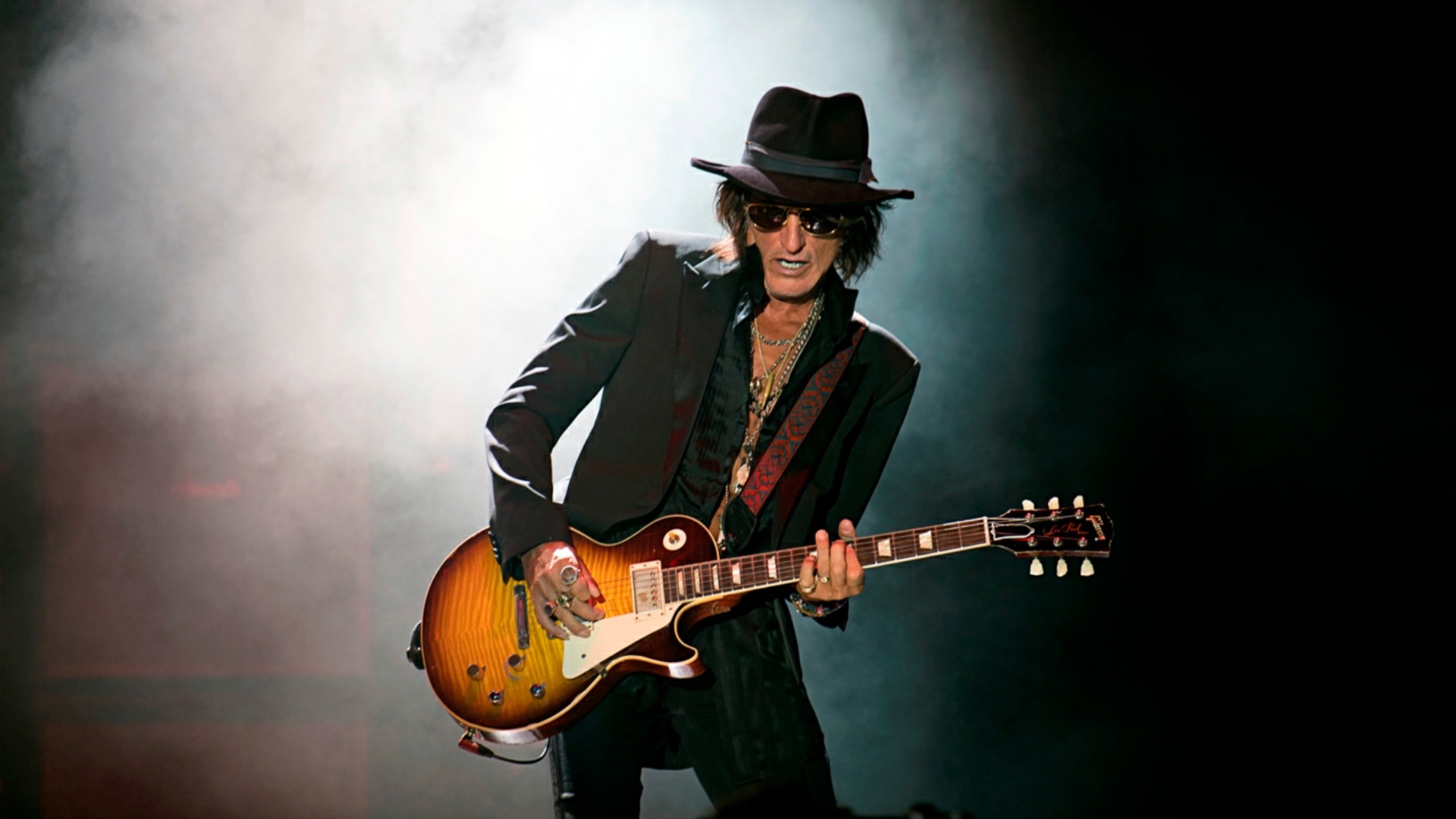
Joe Perry's Guitar Tone Decoded: The Secret Sauce Behind Aerosmith's Legendary Sound
Inside Joe Perry's iconic tone — the vintage Les Pauls, cranked Marshalls, key pedals, and playing techniques that define Aerosmith's sound.