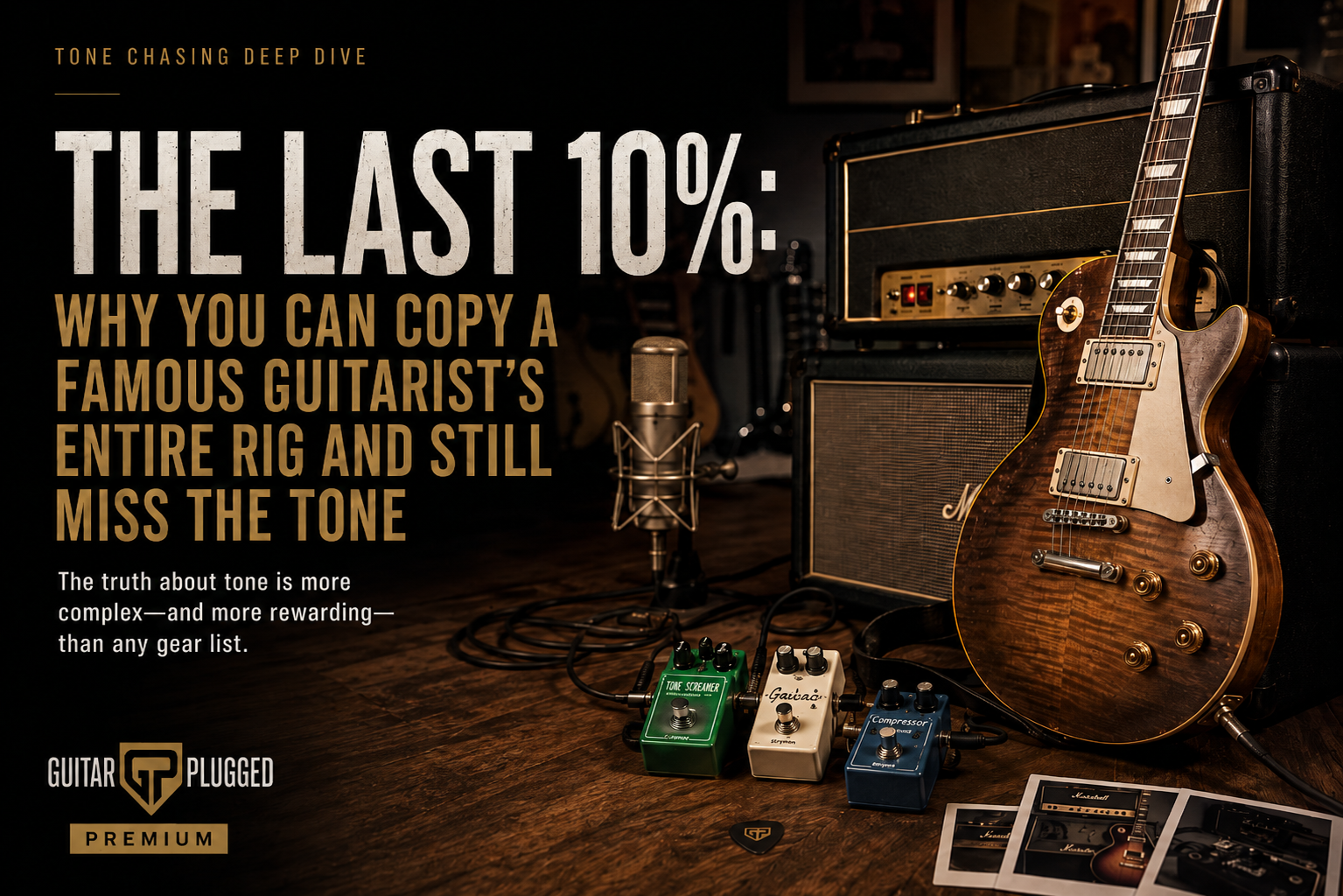
The Last 10%: Why You Can Copy a Famous Guitarist’s Entire Rig and Still Miss the Tone
You bought the guitar, the amp, and the pedals — so why doesn’t it sound right? The last 10 percent of guitar tone is the most important part, and it’s almost never about the gear list.
You bought the guitar. You found the amp. You copied the pedal settings. You watched the rig rundown twice. So why doesn’t it sound right?
There is a particular kind of frustration almost every serious guitarist eventually experiences.
You hear a guitar tone that stops you in your tracks.
Maybe it’s Eddie Van Halen’s first note on Eruption. David Gilmour bending into the solo of Comfortably Numb. Stevie Ray Vaughan ripping into Texas Flood. Brian May turning a guitar into an orchestral instrument. Eric Johnson making a distorted Stratocaster somehow sound polished, violin-like and enormous.
You decide you want that sound.
Then the research begins.
You find out what guitar was used.
You track down the pickups.
You learn what amplifier was in the room.
You discover which pedals were supposedly switched on.
You find photographs of the knobs.
You watch YouTube recreations.
Maybe you even buy the gear.
And then you plug everything in.
It sounds…close.
But not that close.
The gain is right. The EQ seems right. The effects are there.
Yet something is missing.
Welcome to the last 10 percent.
It may be the most important 10 percent in guitar tone.
And it is precisely the part almost nobody talks about.
The Great Guitar-Tone Myth
One of the biggest misconceptions in guitar culture is that tone works like a recipe.
Use the correct guitar.
Add the correct amplifier.
Set the controls to the correct numbers.
Add the correct effects.
Result: famous guitar tone.
That would certainly make things easier.
But guitar tone doesn't work like that.
A recorded guitar sound is not one piece of equipment. It is a chain of interactions.
The player changes the guitar.
The guitar changes the amplifier.
The amplifier changes depending on volume.
The speaker changes depending on how hard it is being driven.
The microphone changes what part of that speaker we hear.
The room changes what reaches the microphone.
The recording console changes it again.
Then compression, EQ, tape, digital processing, mixing and mastering change it again.
And somewhere in the middle of all of that is a human being holding a pick.
When guitarists chase famous tones, they often obsess over the beginning of that chain while ignoring everything that happens afterward.
That is why two people can plug identical guitars into identical amplifiers and produce surprisingly different sounds.
The equipment matters enormously.
It just isn't the entire equation.
PART I: The Hands Problem
Guitarists sometimes roll their eyes when somebody says, “Tone is in the fingers.”
That's understandable.
A player’s fingers cannot magically turn a clean Fender amplifier into a cranked Marshall.
They cannot create delay where none exists.
They cannot transform single-coils into humbuckers.
Equipment obviously matters.
But the opposite extreme is equally wrong.
The player's physical interaction with the instrument dramatically affects the signal before it ever reaches an amplifier.
Consider just the pick attack.
A guitarist can strike a string:
- close to the bridge
- near the neck
- softly
- aggressively
- flat against the string
- at an angle
- with the edge of the pick
- with mostly fingertip
- with a thick pick
- with a flexible pick
Every one of those choices changes the harmonic content entering the amplifier.
And distortion exaggerates those differences.
A high-gain amplifier doesn't simply distort the guitar.
It magnifies the way the guitarist attacked it.
That is part of why Eddie Van Halen still sounded unmistakably like Eddie through dramatically different rigs throughout his career.
It wasn't because equipment didn't matter.
It was because Eddie himself remained one of the most important components in the signal chain.
Vibrato Is Tone
Listen closely to great guitarists and one thing becomes obvious:
Their vibrato isn't decoration.
It is part of their sound.
B.B. King could play one note and announce himself.
David Gilmour can hold a bend for several seconds and make it feel like an entire melody.
Brian May's vibrato often feels vocal.
Yngwie Malmsteen's wide vibrato adds drama to notes that might otherwise feel clinical.
Gary Moore could make a sustained note sound almost physically painful.
If you recreate their amplifier perfectly but vibrate the note differently, the illusion immediately breaks.
This is why amp-modeling demonstrations can sometimes sound astonishingly accurate in one player's hands and strangely wrong in another's.
The preset may be identical.
The input isn't.
PART II: Volume Changes Everything
Here is another reason famous tones are difficult to recreate at home:
Most classic guitar tones were created far louder than most guitarists realize.
A tube amplifier operating at rehearsal-room volume does not behave exactly like the same amplifier operating at bedroom volume.
At high volume, several things begin interacting.
The power section compresses.
Speakers move more air.
The speaker cone behaves differently.
The guitar begins interacting acoustically with the amplifier.
Sustain increases.
Feedback becomes controllable.
Notes bloom differently.
The player reacts to all of it.
That last part is crucial.
A guitarist playing through a loud amplifier physically plays differently because the instrument is responding differently.
Suddenly you don't need to attack a note as hard to make it sustain.
You can lean into feedback.
You can hold a bend and feel the amplifier push energy back into the guitar.
That feedback loop between player, guitar and amplifier is extremely difficult to reproduce silently through headphones.
Modern modelers can replicate the electrical behavior of famous amplifiers with extraordinary accuracy.
What they cannot fully recreate is a 100-watt amplifier physically moving the air around your body.
Want Eddie Van Halen’s Tone?
Tell ToneMD what guitar and gear you own and we’ll show you how to get as close as possible using the equipment you already have — full signal chain, real numbered settings, no guesswork.
Included with The Guitar Plugged Premium
Why Your Plexi Preset Doesn't Sound Like Van Halen
The early Van Halen tone may be the most copied guitar sound in history.
And it is also a perfect example of why simple gear lists can be misleading.
A guitarist might select:
- a Marshall-style amplifier
- a humbucker-equipped guitar
- a phaser
- an Echoplex-style delay
- moderate-to-high gain
That will get you into the neighborhood.
But the neighborhood is not the house.
Eddie's attack was unusually dynamic.
His rhythm playing had swing.
His muting was incredibly controlled.
His harmonics jumped out because of both equipment and technique.
His pick attack often created a percussive snap before the distorted note opened up.
Remove those characteristics and the same amplifier suddenly stops sounding quite so “Van Halen.”
This is why some players spend years chasing a brown-sound amplifier only to discover that improving their right-hand attack gets them closer than buying another pedal.
PART III: The Speaker Is Half the Amplifier
Guitarists talk endlessly about amplifiers.
They talk considerably less about speakers.
That is a mistake.
A guitar speaker dramatically shapes the final sound.
Take the same amplifier and connect it to two different cabinets and it can feel like you changed amplifiers entirely.
Speakers affect:
- bass response
- midrange character
- treble rolloff
- compression
- breakup
- perceived gain
- transient response
Even the age of the speaker can matter.
A brand-new speaker and one that has been played hard for years may respond differently.
Then there is the cabinet.
Open back.
Closed back.
One speaker.
Two speakers.
Four speakers.
Different woods.
Different internal dimensions.
Different speaker combinations.
Suddenly our supposedly simple recipe has dozens of variables.
And we haven't even placed a microphone yet.
PART IV: The Microphone Problem
This is perhaps the biggest reason your amplifier in the room doesn't sound like the famous recording.
You are listening to your amplifier with two ears.
The recording was probably listening through a microphone placed inches—or sometimes centimeters—from a speaker.
Move a microphone slightly and the tone can change dramatically.
Point it toward the center of the speaker and the sound generally becomes brighter and more aggressive.
Move toward the edge and it becomes darker.
Change the distance and the low-end response changes.
Angle the microphone and the high-frequency character changes.
Add a second microphone and now phase relationships enter the equation.
That means a guitarist trying to recreate a famous recorded tone from the amplifier alone may be chasing something that never actually existed in the room exactly as heard on the album.
The album tone is the microphone's interpretation of the amplifier.
What You Hear on a Record Is Not the Amp
This idea deserves repeating.
The guitar tone on your favorite record is almost never simply “the amp.”
It is:
Guitar → pedals → amp → speaker → cabinet → microphone → preamp → console → processing → mix → mastering
That final sound may then be played through your headphones, car stereo, phone speaker or home audio system.
And we still call it “the Marshall tone.”
No wonder guitarists lose their minds chasing it.
PART V: Studio Magic Is Real
Some famous guitar tones are surprisingly processed.
That doesn't make them fake.
It makes them records.
Engineers routinely use tools such as:
“The gear gets you close. The last 10 percent is where you become yourself.”
- compression
- equalization
- double tracking
- tape saturation
- reverb
- delay
- modulation
- stereo widening
- automation
Sometimes multiple amplifiers are blended together.
Sometimes different takes are layered.
Sometimes rhythm guitars are panned hard left and right.
Sometimes certain frequencies are removed so the guitar fits around bass, drums and vocals.
Then guitarists hear the isolated tone and are surprised that it sounds thinner than expected.
That's because a great guitar tone inside a mix doesn't necessarily sound great by itself.
The huge guitar sound you hear on a record may actually depend heavily on the bass guitar underneath it.
PART VI: The Pickup Height Variable Nobody Talks About
You can own the correct pickup and still get the wrong result.
Why?
Pickup height.
Moving a pickup closer to the strings changes output and response.
Move it farther away and the instrument may become clearer and more dynamic.
Even the balance between the bass and treble sides of the pickup matters.
This means two otherwise identical Les Pauls equipped with the same pickup model can drive an amplifier differently.
Then factor in potentiometer tolerances.
Capacitors.
String gauge.
Pick thickness.
Pickup positioning.
Scale length.
Fret material.
And suddenly the phrase “just use a humbucker” feels hilariously incomplete.
PART VII: The Guitar Matters — But Maybe Not the Way You Think
There is a strange argument that regularly appears online:
“Gear doesn't matter.”
Of course gear matters.
Plug a Telecaster into a clean Deluxe Reverb and then plug a Les Paul into a cranked Mesa/Boogie.
Nobody will confuse the two.
The useful question isn't whether gear matters.
The useful question is how much each part matters for the specific tone you're chasing.
For some sounds, the guitar is critical.
For others, the amplifier dominates.
Sometimes the effects chain defines the entire identity.
Consider David Gilmour.
A Stratocaster is important.
But delay timing, compression, overdrive/fuzz structure and amplifier response are equally critical to many famous Gilmour sounds.
Brian May?
The Red Special matters enormously.
But so does the treble booster into Vox AC30s.
Stevie Ray Vaughan?
The Stratocaster matters.
But so do the heavy strings, aggressive attack, amplifier volume and Tube Screamer-style mid push.
Tone recreation is not about finding the single most important piece of gear.
It is about identifying the combination of variables that matter most.
PART VIII: Why Expensive Gear Sometimes Doesn't Fix Anything
This is where tone chasing becomes dangerous to your wallet.
You get 80 percent of the way there.
You assume the missing 20 percent must require better equipment.
So you upgrade the pedal.
Still wrong.
You change the pickup.
Closer.
You buy another amplifier.
Still not quite there.
You change speakers.
You buy an expensive vintage-style pedal.
Eventually you have spent thousands of dollars improving pieces of the signal chain that were never actually causing the problem.
The problem might have been:
- Your gain was too high.
- Your pickup was too close to the strings.
- Your delay mix was too loud.
- You were picking too close to the bridge.
- Your speaker simulation was wrong.
- Or your technique simply wasn't creating the right input signal.
This is where intelligent tone matching becomes much more useful than simply collecting gear.
PART IX: The 80/20 Rule of Guitar Tone
Most famous guitar sounds have a few variables doing most of the work.
If you're trying to approximate Slash, for example, you don't need the exact wood harvested for a 1959 Les Paul replica.
You need to prioritize the characteristics that actually dominate the sound:
- Humbuckers.
- Les Paul-style response.
- Marshall-style amplification.
- Mid-focused distortion.
- Appropriate gain.
- Correct pickup selection.
- Slash-like phrasing and attack.
Once those pieces are right, you are already dramatically closer.
The remaining details improve authenticity.
But they do not contribute equally.
This is the secret to efficient tone recreation.
Stop asking:
“What exact gear did they use?”
Start asking:
“Which parts of their rig actually created the sound I am hearing?”
Those are very different questions.
PART X: Why Modelers Have Changed the Game
This is where modern guitar technology becomes fascinating.
Twenty-five years ago, recreating dozens of famous guitar tones might require an absurd collection of amplifiers, cabinets and pedals.
Today, devices from companies such as Line 6, Fractal Audio, Neural DSP, Kemper, Fender, HeadRush and others can put hundreds of signal-chain combinations into one rig.
The limitation is no longer access.
The limitation is knowing what to build.
A guitarist can have hundreds of amplifier models available and still struggle to recreate one famous tone because the number of possible combinations is enormous.
Which amp?
Which cab?
Which microphone?
Which overdrive?
How much gain?
Where should the mids sit?
What delay time?
What reverb?
Which pickup?
This is precisely why tone recreation is becoming less about owning equipment and more about understanding signal chains.
PART XI: A Better Method for Chasing Any Guitar Tone
Instead of immediately searching for exact settings, try this process.
1. Identify the guitar family.
Single coil? Humbucker? P-90? Active pickup?
This establishes the basic input character.
2. Identify the amplifier family.
Fender-style? Marshall-style? Vox-style? Mesa-style? Dumble-inspired? Modern high gain?
You do not necessarily need the exact model. You need the correct architecture.
3. Determine the gain source.
Is the distortion primarily coming from the amplifier? A boost? A fuzz? An overdrive pedal? Multiple gain stages?
This dramatically changes the feel.
4. Find the dominant frequency character.
Is the tone bright? Dark? Scooped? Mid-forward? Bass-heavy? Thin? Compressed? Open?
Listen to the sound rather than staring at knob positions.
5. Add effects last.
A common mistake is drowning an inaccurate core tone in delay and reverb.
Build the dry tone first. Then add ambience.
6. Match the playing style.
Where are the strings being picked? How hard? How wide is the vibrato? How quickly do bends reach pitch? Are notes heavily muted?
The final few percent may be hiding here.
PART XII: The Uncomfortable Truth
There is a moment every serious tone chaser eventually reaches.
You've adjusted everything.
The amp is correct.
The effects are correct.
The guitar is close.
The EQ is right.
And it still doesn't sound like the player.
At some point you have to stop turning knobs and start practicing.
That isn't a dismissal of gear.
It's actually the opposite.
Great equipment allows the player's personality to become more obvious.
And that is why the greatest guitarists remain recognizable even when their rigs change.
Eddie still sounded like Eddie.
Gilmour still sounds like Gilmour.
Satriani still sounds like Satriani.
Vai still sounds like Vai.
Their gear helps create the sound.
Their hands complete it.
The Guitar Plugged Tone Test
Next time you chase a famous guitar tone, try this experiment.
Get your sound as close as possible.
Then stop adjusting equipment for ten minutes.
Instead:
- Change where you pick.
- Change how hard you attack the string.
- Change your pick angle.
- Adjust your palm muting.
- Copy the player's vibrato.
- Copy the bend speed.
- Copy the note length.
- Copy the pauses between phrases.
Then listen again.
You may discover that the pedal you've been shopping for wasn't the missing ingredient.
You were.
Hear it. Chase it. Build it.
Enter the tone you want, tell ToneMD the gear and pickups you actually own, and get a recipe built for your rig — full signal chain, real numbered settings and step-by-step instructions for your exact amp or modeler.
Open ToneMDFree lookups every month · Unlimited with The Guitar Plugged Premium
Frequently Asked Questions
- Why doesn't my rig sound like the famous recording even with the same gear?
- Recorded guitar tone is a long chain: guitar, pedals, amp, speaker, cabinet, microphone, preamp, console, processing, mix, and mastering. The album tone also includes the player's hands, volume, and room. You rarely hear the amp alone.
- Is 'tone is in the fingers' really true?
- It's partially true. Fingers can't turn a clean Fender into a Marshall, but pick attack, vibrato, muting, and phrasing shape the signal before it reaches the amp — and distortion magnifies those differences.
- Does volume actually change guitar tone?
- Yes. Tube power sections compress, speakers move more air, and the guitar interacts acoustically with the amp at higher volumes. That physical feedback loop changes how you play and how the tone responds.
- Why do speakers and cabinets matter so much?
- Speakers and cabinets shape bass response, midrange, treble rolloff, compression, breakup, and perceived gain. The same amp through two different cabs can sound like two different amps.
- Can a modeler recreate a famous guitar tone?
- Modern modelers can replicate the electrical behavior of amps and effects with impressive accuracy. The remaining challenge is knowing which amp, cab, microphone, gain stage, and playing-style choices actually produce the sound you hear.
Related Reading
Sources & further reading
- 1.The Guitar Plugged editorial analysis and ToneMD methodology
Experience-driven coverage, not algorithm bait.
- 20+ years of guitar playing experience
- Real-world retail experience at Guitar Center
- Thousands of hours testing guitars, amps, and pedals
- A community of 50,000+ guitar enthusiasts across platforms
- Partnerships with Fender, DistroKid, TrueFire, Card Chords, and Enya
- Editorial standards published openly — see how we test gear
The Modern Guitar Magazine. Delivered to your inbox.
No spam. No gimmicks. Just great guitar content — stories, tones, iconic solos, and honest gear takes. Every week.
Discussion (0)
Sign in to join the discussion.
Sign in to commentLoading comments…
Discover another guitar story
Swipe through our latest features, breaking news and iconic solos — one story at a time.
Open Swipe →More in Tone Decoded
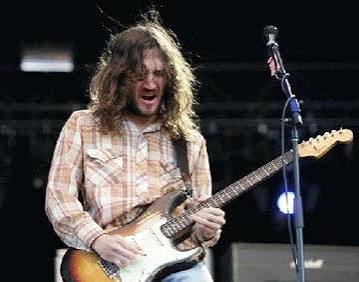
Why John Frusciante's Tone Is Harder to Copy Than You Think
Everyone chases the Strat, the Tube Screamer, the CE-1 chorus. But the real Frusciante sound lives in his hands, his dynamics, and the way he treats pedals like colors — not crutches.
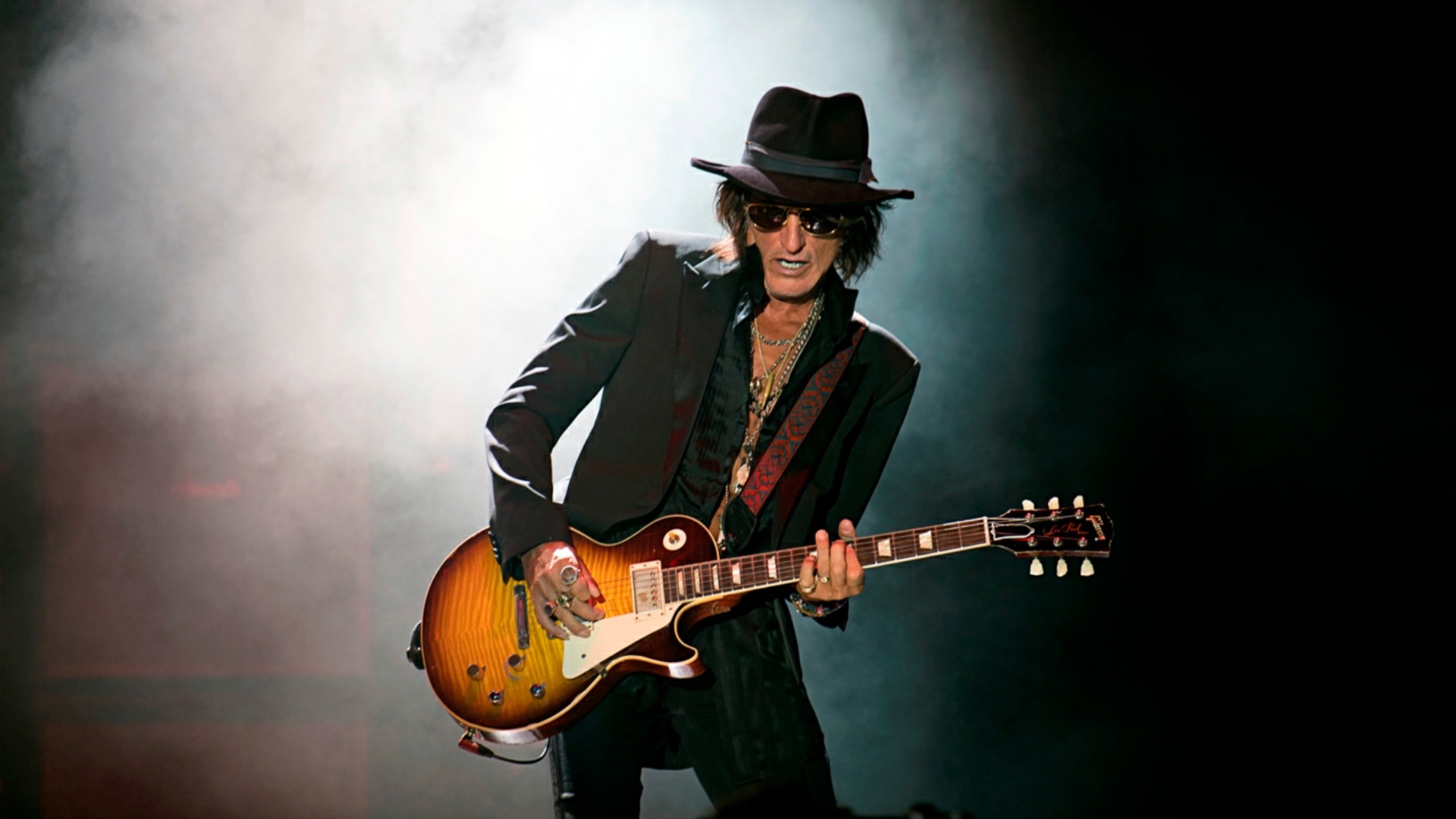
Joe Perry's Guitar Tone Decoded: The Secret Sauce Behind Aerosmith's Legendary Sound
Inside Joe Perry's iconic tone — the vintage Les Pauls, cranked Marshalls, key pedals, and playing techniques that define Aerosmith's sound.
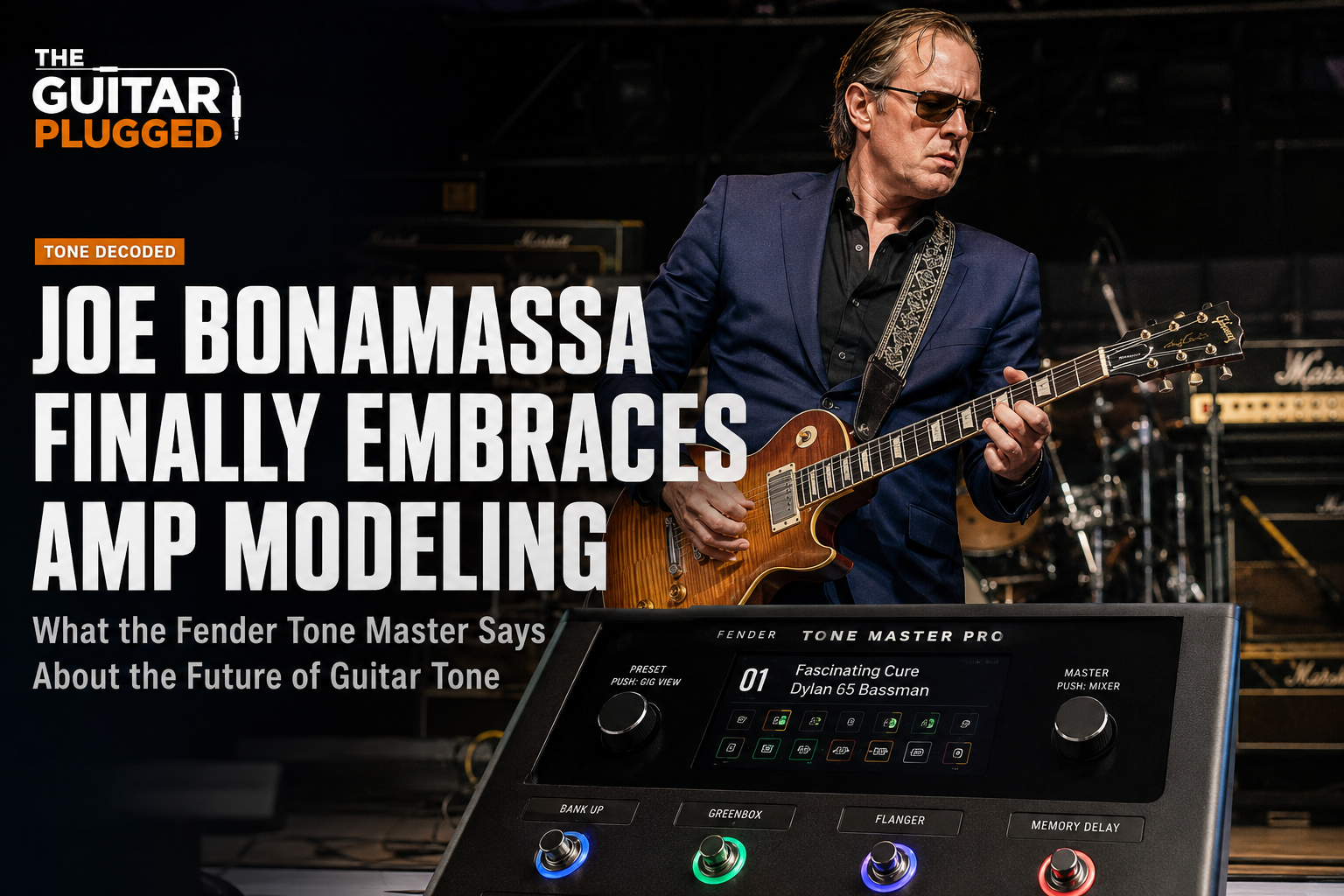
Tone Decoded: Joe Bonamassa Finally Embraces Amp Modeling — What the Fender Tone Master Says About the Future of Guitar Tone
One of guitar's biggest tube amp advocates is using Fender's Tone Master Pro. Here's what it means for the future of guitar tone.