Zakk Wylde: The Last Great Guitar Hero Standing
From New Jersey kid to Ozzy's guitarist, Black Label Society frontman, and Pantera torchbearer — how Zakk Wylde became one of modern rock's last true guitar heroes.
Some guitar players become famous because of a few great solos. Others become icons because of the bands they played in. Then there are the rare few who build an entire universe around themselves.
Zakk Wylde belongs in that last category.
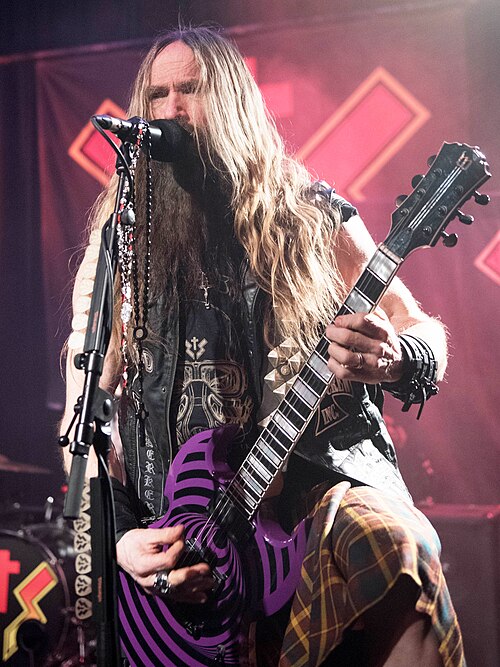
The long blond hair. The Viking beard. The endless supply of bullseye guitars. The pinch harmonics that could cut through concrete. Nobody in modern rock looks, sounds, or plays quite like Zakk Wylde.
And that's exactly why he's become one of the most important guitarists of the last four decades.
What to Remember
- ▸Wylde joined Ozzy at 20 and immediately established one of the most recognizable voices in modern metal.
- ▸His signature combines pinch harmonics, aggressive pentatonic phrasing, and one of the most violent vibratos in rock.
- ▸Black Label Society built him a second career and one of heavy music's most loyal fanbases.
- ▸His work with Pantera honored Dimebag Darrell without ever trying to replace him.
- ▸The bullseye Les Paul is now as iconic as Slash's Appetite Les Paul or EVH's Frankenstrat.
The Kid From New Jersey
Long before he was playing arenas with Ozzy Osbourne, Zakk Wylde was Jeffrey Phillip Wielandt, a guitar-obsessed kid from New Jersey who spent countless hours learning everything he could from players like Eddie Van Halen, Randy Rhoads, Tony Iommi, and Al Di Meola.
Like so many players of his generation, Wylde became obsessed with technique. But unlike many of his peers, he paired that technique with massive feel and undeniable songwriting instincts.
That combination would change his life forever.
Getting the Call From Ozzy
In 1987, Ozzy Osbourne needed a new guitarist. Those are gigantic shoes to fill.
Randy Rhoads had become a legend, and Jake E. Lee had carved out his own incredible era with Ozzy. Whoever came next was walking into an impossible situation.
Then a 20-year-old kid from New Jersey walked into the audition.
The rest is heavy metal history.
Zakk's debut on the album No Rest for the Wicked introduced the world to a completely different kind of shred player. He could play blindingly fast runs, but he could also make a single bend feel enormous.
Get Zakk Wylde’s “No More Tears” Tone
Tell ToneMD what guitar and gear you own and we’ll show you how to get as close as possible using the equipment you already have — full signal chain, real numbered settings, no guesswork.
Included with The Guitar Plugged Premium
Songs like "Miracle Man" and "Crazy Babies" immediately established his voice. You knew it was Zakk within seconds.
The Sound of Zakk Wylde
Every legendary guitarist has a signature. For Wylde, it's a combination of three things.
1. Pinch Harmonics Everywhere
Nobody weaponized pinch harmonics quite like Zakk Wylde. He doesn't simply use them as an effect. They're part of his vocabulary. One note can scream, squeal, and sound almost vocal in a way that's instantly recognizable.
2. Pentatonics With Attitude
Zakk's lead playing is rooted in blues and pentatonic scales, but he attacks every note with an aggression that feels larger than life. It's less about complexity and more about conviction.
3. Vibrato for Days
If you've ever tried to play a Zakk Wylde solo, you've probably discovered the hardest part isn't the speed. It's the vibrato. The man practically shakes the neck off the guitar.
“Nobody weaponized pinch harmonics quite like Zakk Wylde.”
Beyond Ozzy: Building Black Label Society
Most guitarists would have been content being "Ozzy's guitarist." Not Zakk.
In 1998 he launched Black Label Society and built one of heavy music's most loyal fanbases. Black Label Society became more than a band. It became a brotherhood.
The music was heavier, darker, and often surprisingly emotional. Albums like Sonic Brew, The Blessed Hellride, and Mafia proved that Wylde was much more than a hired gun. He was a complete artist.
• No Rest for the Wicked — Ozzy Osbourne (1988) — Wylde's arrival
• No More Tears — Ozzy Osbourne (1991) — his best-known Ozzy-era work
• Sonic Brew — Black Label Society (1999) — the BLS blueprint
• The Blessed Hellride — Black Label Society (2003) — the crossover moment
• Mafia — Black Label Society (2005) — Wylde as a complete songwriter
• Book of Shadows II — Zakk Wylde (2016) — the acoustic/vocal side most players miss
Carrying the Legacy of Pantera
When surviving members of Pantera decided to celebrate the music of the legendary band, there was only one guitarist many fans wanted to see. Zakk Wylde.
Replacing a player as beloved as Dimebag Darrell is impossible. Wylde never tried to replace him. Instead, he honored the music while bringing his own personality to the stage, earning the respect of fans around the world.
The Gear That Built a Legend
If you close your eyes and picture Zakk Wylde, chances are you're seeing one guitar: the Bullseye Les Paul. It's become one of the most recognizable instruments in rock history — every bit as iconic as Slash's Appetite Les Paul or Eddie Van Halen's Frankenstrat.
But the guitar is only part of the equation.
The Zakk Wylde Rig
[TONE_RIG]
Why Zakk Wylde Still Matters
The modern guitar world often feels divided. On one side are players chasing technical perfection. On the other are players searching for feel.
Zakk Wylde somehow delivers both. He can shred with the best of them, but every note sounds like it comes from the heart.
More importantly, he reminds us that great guitar playing is supposed to have personality. In an era where so many players can sound interchangeable, Zakk Wylde remains unmistakably himself.
And maybe that's his greatest accomplishment. Because decades after first stepping on stage with Ozzy, there is still only one Zakk Wylde.
Related Articles
Build the Zakk Wylde Rig
Some links may be affiliate links. We may earn a small commission at no cost to you.
Experience-driven coverage, not algorithm bait.
- 20+ years of guitar playing experience
- Real-world retail experience at Guitar Center
- Thousands of hours testing guitars, amps, and pedals
- A community of 50,000+ guitar enthusiasts across platforms
- Partnerships with Fender, DistroKid, TrueFire, Card Chords, and Enya
- Editorial standards published openly — see how we test gear
Join thousands of guitar players
Get our best stories, deep-dive gear breakdowns, and legendary player profiles delivered straight to your inbox.
Ask GP
3 free questionsQuestions about Zakk Wylde?
Get a straight answer from The Guitar Plugged's knowledge engine.
Discussion (0)
Sign in to join the discussion.
Sign in to commentLoading comments…
Discover another guitar story
Swipe through our latest features, breaking news and iconic solos — one story at a time.
Open Swipe →More in Guitar Talk
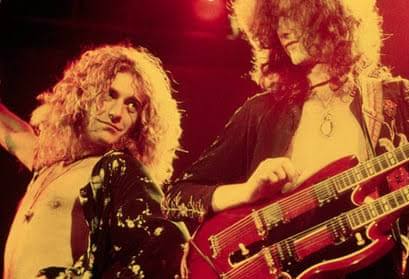
Robert Plant at 78: Why His Chemistry With Jimmy Page Was Led Zeppelin's Real Secret Weapon
Robert Plant turns 78 today. The conventional story says Page played guitar and Plant sang. The truth is stranger and more useful: they behaved like two lead instruments arguing, answering and leaving each other room.
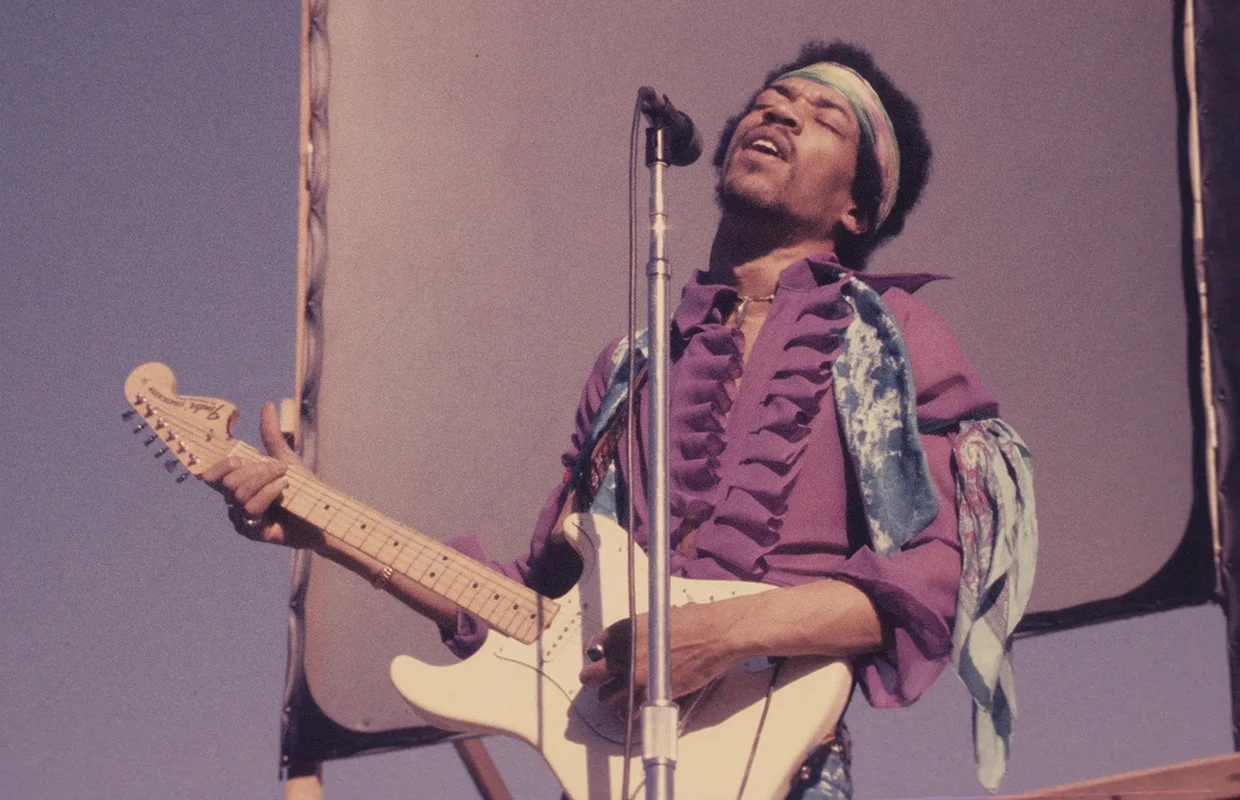
History of the Riff: Jimi Hendrix's "Foxey Lady" — The Sound That Made the Electric Guitar Dangerous
Feedback before the riff, four Marshall cabinets, a microphone eight feet away and a Stratocaster flipped upside down — the full story of the riff that made the electric guitar sound dangerous.
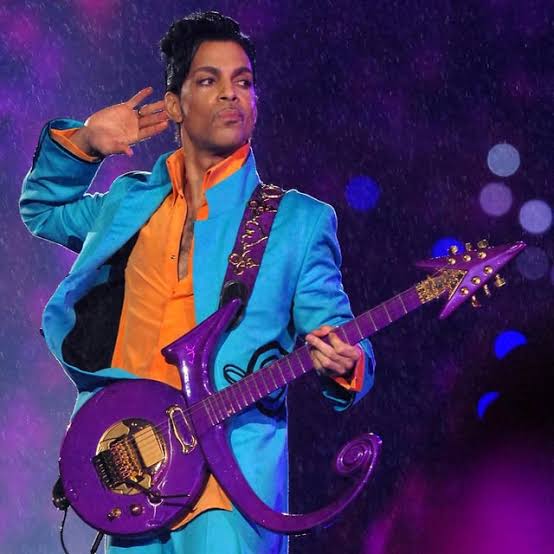
History of the Riff: How Prince Turned "Purple Rain" Into Guitar Immortality
A song born onstage, a guitar part that barely needs distortion, and a solo built on emotion instead of excess — the full story of "Purple Rain" and its immortal guitar moment.