

The Ultimate Guide to David Gilmour: The Guitarist Who Made Every Note Matter
Discover the ultimate guide to David Gilmour — his iconic tone, the Black Strat, his gear, the Comfortably Numb solo, his Pink Floyd years, and the techniques that made him one of the greatest guitarists in history.
▶ LISTEN WHILE READING
There are faster guitarists.
There are more technical guitarists.
There are guitarists with bigger pedalboards, more complicated rigs, and solos with twice as many notes.
But there may never be another guitarist who could make a single bent note make millions of people stop and feel something the way David Gilmour can.
For over five decades, David Gilmour has defined melodic lead guitar, atmospheric tone, and emotional storytelling through six strings. His playing with Pink Floyd helped create some of the most iconic recordings in music history, and his influence stretches from bedroom players to legends like John Petrucci, Joe Satriani, and Steve Vai.
This isn't just the story of David Gilmour.
It's the story of proving that emotion will always outplay speed.
Early Life
David Gilmour was born on March 6, 1946, in Cambridge, England.
Long before arenas and platinum records, he was simply another teenager fascinated by the guitar and American blues music. Growing up alongside childhood friend Syd Barrett, neither could have imagined they would become central figures in one of the most influential bands ever assembled.
The blues players of America, combined with the melodic style of British guitarists like Hank Marvin, would permanently shape Gilmour's musical vocabulary.
You can still hear it in every note he plays.
Joining Pink Floyd
By 1967, Syd Barrett's health had rapidly deteriorated.
David Gilmour was brought into Pink Floyd initially to support Barrett during performances, but within months Barrett had departed and Gilmour became the band's lead guitarist and one of its defining creative voices.
From there, Pink Floyd would become one of the biggest bands in music history. Albums including The Dark Side of the Moon, Wish You Were Here, Animals, The Wall, and The Division Bell would become cultural landmarks that continue influencing musicians decades later.
Why David Gilmour Is Different
Most guitarists impress you. David Gilmour moves you.
His greatest weapon isn't speed. It's restraint.
Get David Gilmour’s “Comfortably Numb” Tone
Tell ToneMD what guitar and gear you own and we’ll show you how to get as close as possible using the equipment you already have — full signal chain, real numbered settings, no guesswork.
Included with The Guitar Plugged Premium
He often leaves silence between phrases, allowing every bend, every vibrato, and every sustained note to breathe. Instead of sounding like someone trying to prove something, he sounds like someone telling a story.
That's why someone can hum his solos decades later.
The Famous Gilmour Tone
Ask ten guitarists what David Gilmour's tone sounds like and you'll hear words like singing, vocal, smooth, glassy, massive, emotional, and three-dimensional.
His sound isn't based on distortion. It's based on sustain.
The combination of loud clean amplification, carefully stacked gain, delay, compression, and incredible touch produces one of the most recognizable guitar tones ever recorded. More importantly — his fingers are a huge part of that sound.
His Legendary Black Strat
No guitar is more closely associated with Gilmour than his famous Black Strat. Originally purchased in the early 1970s, it evolved constantly over decades with changing pickups, necks, electronics, and modifications.
The guitar became the voice behind Time, Money, Shine On You Crazy Diamond, Comfortably Numb, and Run Like Hell.
Rather than preserving it as a museum piece, Gilmour treated it like a working musician's tool. Its constant evolution mirrored his own.

X Concepts Strings • Made in USA
Never Run Out of Strings Again.
Join the X Concepts String Club and get fresh USA-made strings delivered every month—plus Premium membership options for the full Guitar Plugged experience.
Signature Playing Techniques
1. Wide Vibrato
Nobody makes vibrato sing quite like Gilmour. His controlled, vocal-style movement gives notes incredible emotion.
“There may never be another guitarist who could make a single bent note make millions of people stop and feel something the way David Gilmour can.”
2. Perfect String Bending
His bends don't simply hit pitch. They often overshoot slightly before settling naturally into tune, creating remarkable expression.
3. Space
Many players fear silence. Gilmour embraces it. The gaps between notes often become just as important as the notes themselves.
4. Dynamic Picking
He doesn't attack every note equally. Some barely whisper. Others explode. That contrast creates life.
5. Melodic Construction
Many solos sound improvised. Gilmour's often feel composed like songs within songs.
Comfortably Numb: The Greatest Guitar Solo Ever?
It's impossible to discuss David Gilmour without discussing Comfortably Numb. The second solo has regularly appeared near the top of "greatest guitar solo" lists for decades.
Why? Because every phrase builds naturally into the next. The opening feels restrained. The middle section grows in intensity. The ending becomes pure emotional release.
There are technically harder solos. There may never be a more perfect one.
Other Essential Solos
Time — Arguably one of the greatest examples of phrasing in rock history. Every bend feels deliberate. Every pause matters.
Shine On You Crazy Diamond — Less a solo, more a conversation. The opening four notes alone became one of rock's most recognizable musical signatures.
Money — Blues phrasing meets progressive rock sophistication. Simple ideas elevated by feel.
Another Brick in the Wall Part II — One of the finest examples of saying everything with relatively few notes. Pure melodic genius.
High Hopes — Proof that Gilmour never lost his ability to create unforgettable emotional moments. The closing solo remains among his finest recorded performances.
His Gear Philosophy
Ironically, David Gilmour's biggest lesson isn't buying expensive gear. It's understanding that gear serves expression.
Throughout his career he has used Fender Stratocasters, Hiwatt amplifiers, Big Muff fuzz pedals, delay units, compression, chorus, Uni-Vibe style effects, and carefully layered signal chains.
Yet hand his exact rig to another player — and it still won't sound like David Gilmour.
What Guitarists Can Learn From Him
Perhaps his greatest lesson is this: stop trying to impress people. Start trying to move them.
Play fewer notes. Mean every one of them. Develop vibrato. Master bending. Learn phrasing. Leave space. Play melodies people can sing.
Because that's what audiences actually remember.
David Gilmour's Legacy
Entire generations of players have chased speed. Very few have matched David Gilmour's ability to communicate emotion.
His influence can be heard in progressive rock, blues, modern metal, ambient music, and film scores alike.
He proved that technical brilliance isn't measured by notes per second. It's measured by what happens when someone hears one note — and instantly knows exactly who's playing it.
That's a level of greatness very few musicians ever reach.
- Electro-Harmonix Big Muff Pi Fuzz Pedal$99·Check on Amazon →
- MXR Carbon Copy Analog Delay Pedal$169·Check on Amazon →
- Boss CS-3 Compression Sustainer Pedal$109·Check on Amazon →
Some links are affiliate links — we may earn a small commission at no cost to you.
Experience-driven coverage, not algorithm bait.
- 20+ years of guitar playing experience
- Real-world retail experience at Guitar Center
- Thousands of hours testing guitars, amps, and pedals
- A community of 50,000+ guitar enthusiasts across platforms
- Partnerships with Fender, DistroKid, TrueFire, Card Chords, and Enya
- Editorial standards published openly — see how we test gear
The Modern Guitar Magazine. Delivered to your inbox.
No spam. No gimmicks. Just great guitar content — stories, tones, iconic solos, and honest gear takes. Every week.
Ask GP
3 free questions a dayStill curious? Ask GP about this story.
Your personal classic-rock and guitar guide — ask anything about The Ultimate Guide to David.
Discussion (0)
Sign in to join the discussion.
Sign in to commentLoading comments…
Discover another guitar story
Swipe through our latest features, breaking news and iconic solos — one story at a time.
Open Swipe →More in Guitar Talk

Happy Birthday, Joe Perry: The Riff Machine Who Gave Aerosmith Its Swagger
Joe Perry turns 76 today. From the swampy grind of “Sweet Emotion” to the reunion that saved a band, this is the career of the guitarist who taught American hard rock how to strut.
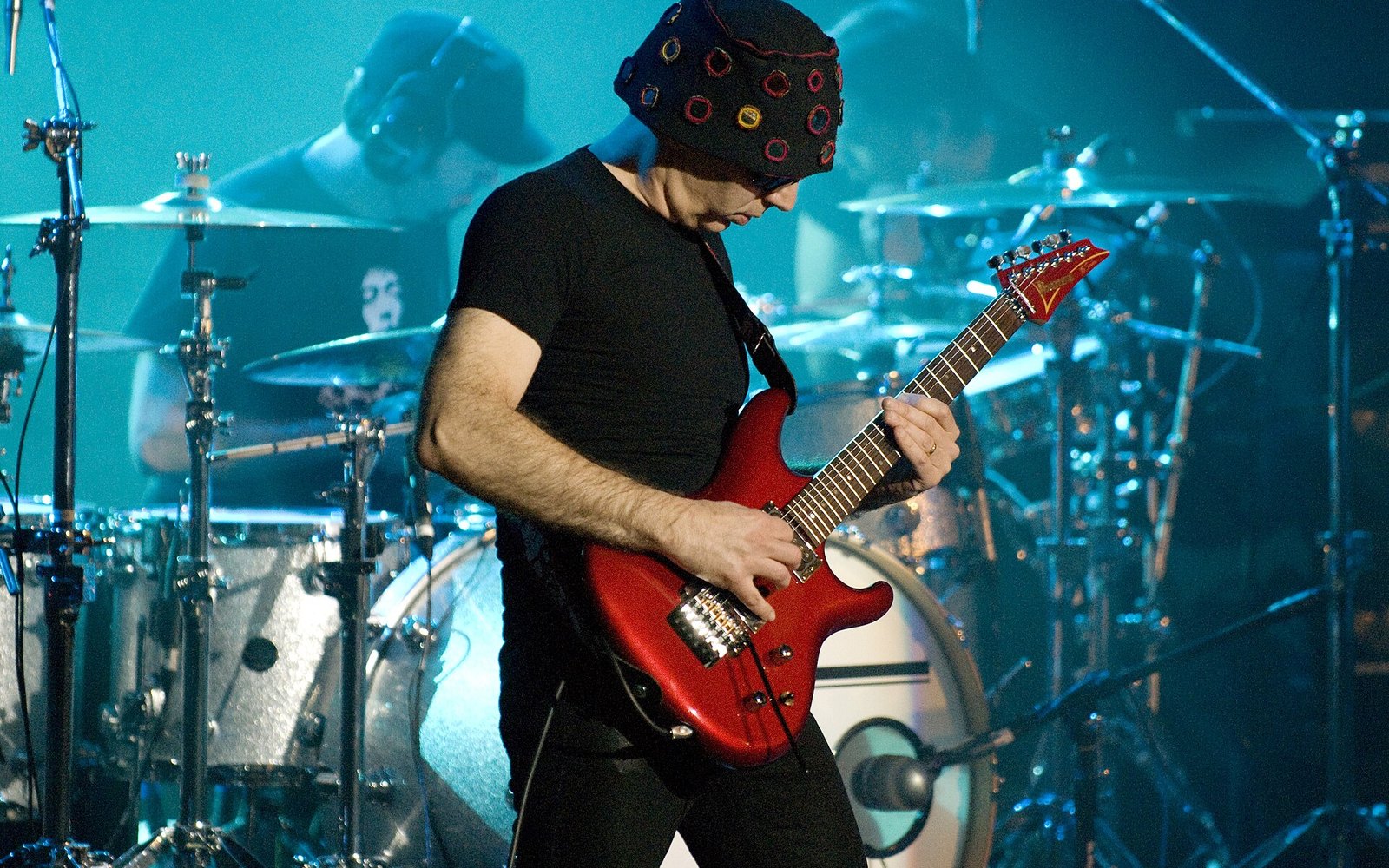
History of the Riff: How Joe Satriani Made “Flying in a Blue Dream” Feel Weightless
An acoustic guitar in an unusual tuning, a stray broadcast and a melody that seems to hang in the air: inside the construction of Satriani’s 1989 masterpiece.
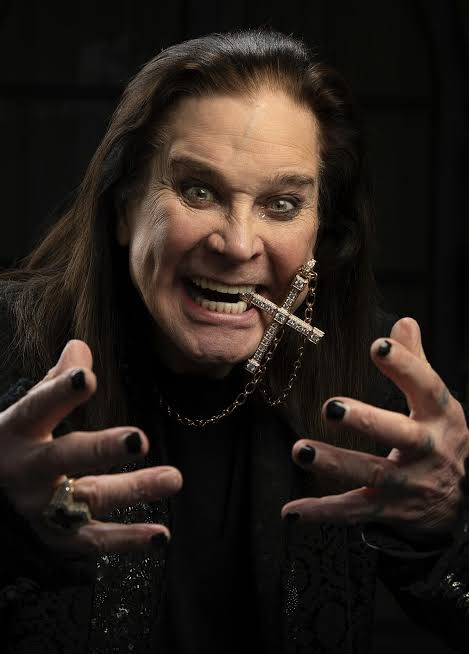
Tony Iommi Opens Up About His Final Conversation With Ozzy Osbourne: “I Still Can't Get It in My Head”
The Black Sabbath guitarist says Ozzy was exhausted after the band's emotional farewell — but determined to give fans one final show.