
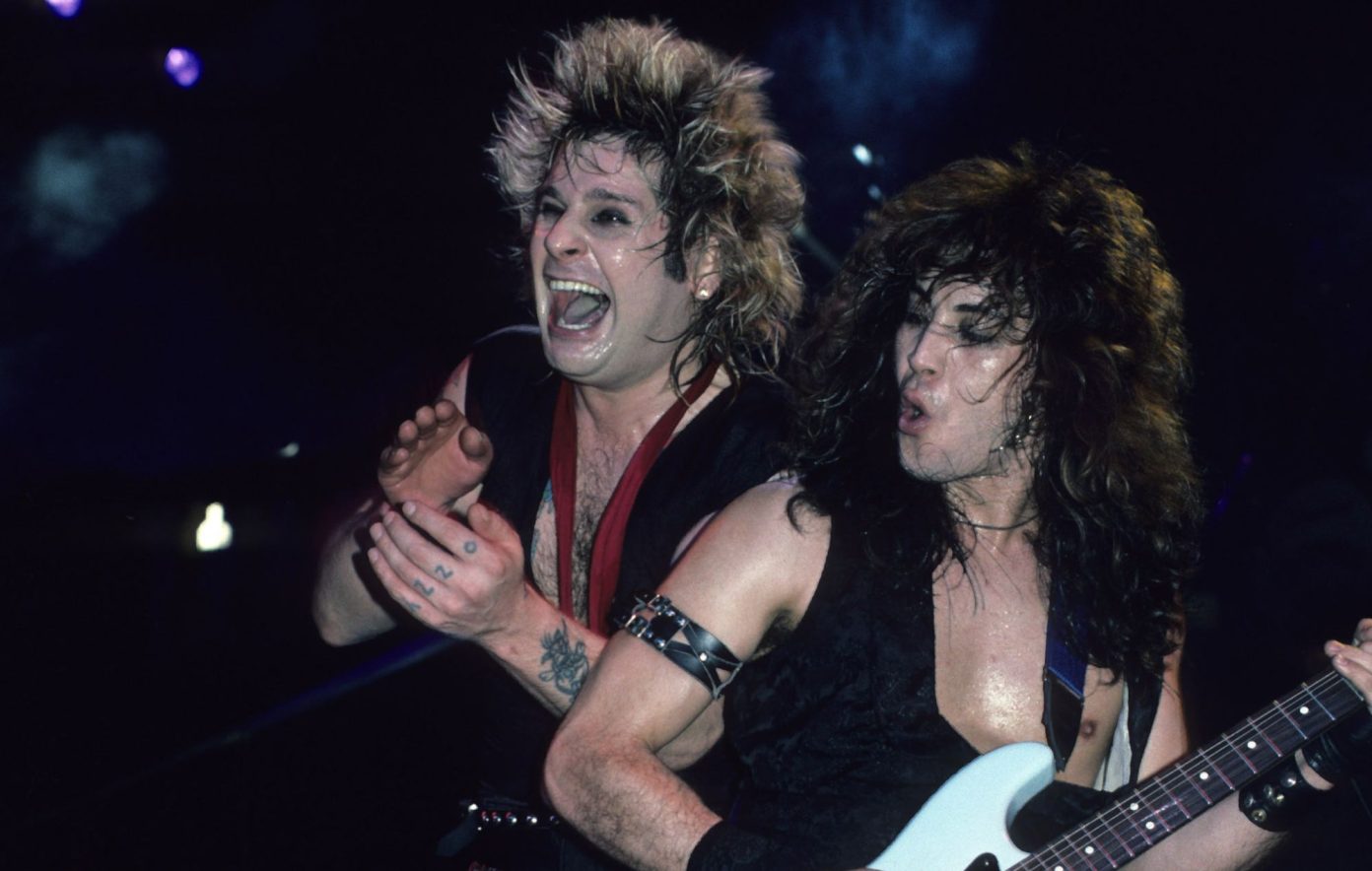
Jake E. Lee: The Guitar Hero Who Had the Impossible Job of Replacing Randy Rhoads
Jake E. Lee faced one of rock's toughest jobs—replacing Randy Rhoads. Here's how he forged his own legacy with Ozzy Osbourne through unforgettable riffs, iconic solos, and two classic albums.
What to Remember
- ▸Jake E. Lee replaced Randy Rhoads in Ozzy Osbourne's band after Rhoads' tragic 1982 death.
- ▸His style fused aggressive blues phrasing, wide intervallic bends, and lightning-fast alternate picking.
- ▸Bark at the Moon (1983) and The Ultimate Sin (1986) remain two of Ozzy's most underrated records.
- ▸After being dismissed in 1987, Jake formed Badlands with vocalist Ray Gillen.
- ▸Decades later he returned with Red Dragon Cartel, proving he never lost the 80s fire.
When Ozzy Osbourne needed a new guitarist after the tragic death of Randy Rhoads, most players would've run the other direction.
Jake E. Lee accepted the challenge.
Stepping into one of rock's most scrutinized positions was never going to be easy. Fans wanted another Randy. Ozzy needed someone capable of carrying the band forward. Instead of trying to imitate his predecessor, Jake forged an identity that remains one of the most underrated in heavy metal history.
Filling the Biggest Shoes in Metal
After Randy Rhoads' passing in 1982, Ozzy briefly worked with Brad Gillis before beginning a lengthy search for a permanent guitarist.
Jake E. Lee eventually landed the job after impressing Ozzy with his precision, confidence, and unmistakable style. While many expected another neoclassical shredder, Jake brought something entirely different.
His playing blended:
- Aggressive blues phrasing
- Wide intervallic bends
- Lightning-fast alternate picking
- Funk-inspired rhythm playing
- Incredible right-hand precision
He wasn't Randy Rhoads. He wasn't Eddie Van Halen. He sounded like Jake.
He wasn't simply the guitarist who replaced Randy. He was the guitarist who proved there was more than one way to define Ozzy Osbourne's sound.
Bark at the Moon
Released in 1983, Bark at the Moon introduced Jake to the world.
The title track immediately became one of Ozzy's defining songs. Its opening riff remains one of heavy metal's greatest guitar intros—a combination of speed, melody, and precision that instantly announced Jake's arrival.
While songwriting credits have long been debated, there's little disagreement about Jake's performance throughout the record. His solos combined technical brilliance with memorable melodies, avoiding empty speed in favor of phrasing that served each song.
Get Jake E. Lee’s “Bark at the Moon” Tone
Tell ToneMD what guitar and gear you own and we’ll show you how to get as close as possible using the equipment you already have — full signal chain, real numbered settings, no guesswork.
Included with The Guitar Plugged Premium
Standout tracks include:
- Bark at the Moon
- Rock 'n' Roll Rebel
- Centre of Eternity
- Waiting for Darkness
The Ultimate Sin
By 1986, Jake had grown even more confident. The Ultimate Sin showcased a guitarist completely comfortable in the role.
Songs like "Shot in the Dark" became massive MTV hits, while deeper cuts revealed a player capable of balancing heavy riffs with tasteful melodic leads.
Many fans consider this album Jake's finest work with Ozzy. His tone became thicker, his phrasing more refined, and his songwriting instincts continued to mature.
Why Jake Stood Out
Unlike many shredders of the 1980s, Jake rarely relied on flashy gimmicks. His solos felt composed. Every bend had purpose. Every fast run resolved into something memorable.
His picking hand was exceptionally clean, allowing complex passages to sound effortless even at blistering tempos.
His aggressive vibrato also became one of his trademarks—giving sustained notes a vocal quality that made them instantly recognizable.
“He wasn't Randy Rhoads. He wasn't Eddie Van Halen. He sounded like Jake.”
Every bend had purpose. Every fast run resolved into something memorable.
Why His Time Ended
Despite helping create two successful albums and several classic songs, Jake's relationship with Ozzy eventually deteriorated. In 1987, he was dismissed from the band.
Jake has spoken openly over the years about disagreements surrounding songwriting credits, publishing, and business decisions during his tenure.
Regardless of the circumstances, his departure surprised many fans and marked the end of one of Ozzy's most underrated eras.
Life After Ozzy
Jake refused to become "Ozzy's former guitarist." Instead, he formed Badlands, a blues-heavy hard rock band featuring vocalist Ray Gillen.
Although Badlands never reached mainstream superstardom, many guitar fans consider their albums among Jake's finest work thanks to their raw feel, blues influence, and exceptional musicianship.
Years later, Jake returned with Red Dragon Cartel, proving he had lost none of the fire that made him famous in the 1980s.
Jake E. Lee's Legacy
Replacing Randy Rhoads may have seemed impossible. Jake E. Lee never tried. Instead, he built a legacy on originality.
His riffs remain instantly recognizable. His solos are packed with personality rather than excess. And while Eddie Van Halen, Randy Rhoads, and Zakk Wylde often dominate conversations about Ozzy's greatest guitarists, Jake deserves to be mentioned alongside them.
He wasn't simply the guitarist who replaced Randy. He was the guitarist who proved there was more than one way to define Ozzy Osbourne's sound.
Final Thoughts
Jake E. Lee's years with Ozzy represent one of heavy metal's most overlooked chapters. Tasked with following a legend, he resisted imitation and instead delivered two albums full of unforgettable riffs, expressive solos, and a guitar voice that remains unmistakable more than four decades later.
Sometimes the greatest achievement isn't replacing a legend. It's refusing to become one.
Gear to Get Jake's Tone
Want to chase that Bark at the Moon snarl? Start here:
- Charvel Pro-Mod So-Cal Style 1 (Reverb) — the modern descendant of Jake's iconic Charvel.
- Marshall JCM800 2203 Head (Reverb) — the core of his 80s Ozzy-era roar.
- MXR M101 Phase 90 (Amazon) — used for swirling cleans and lead color.
- Boss DD-3T Digital Delay (Amazon) — tight, musical delay for solos.
- Dunlop Cry Baby Wah (Amazon) — essential for Jake's expressive lead phrasing.
Related Articles
Frequently Asked Questions
Frequently Asked Questions
- Why did Jake E. Lee leave Ozzy?
- Jake was dismissed from Ozzy Osbourne's band in 1987 following disputes over songwriting credits, publishing, and other business decisions made during his tenure on Bark at the Moon and The Ultimate Sin.
- What albums did Jake E. Lee record with Ozzy?
- Jake recorded two studio albums with Ozzy Osbourne: Bark at the Moon (1983) and The Ultimate Sin (1986). Both are considered classics of 1980s heavy metal.
- Did Jake E. Lee write Bark at the Moon?
- Jake's songwriting contributions to Bark at the Moon have been widely debated for decades. He has stated publicly that he wrote significant portions of the music, though credits on the album were assigned solely to Ozzy Osbourne.
- What band did Jake form after Ozzy?
- After leaving Ozzy, Jake formed Badlands with vocalist Ray Gillen — a blues-heavy hard rock band whose albums are still revered by guitar fans. He later returned with Red Dragon Cartel.
Experience-driven coverage, not algorithm bait.
- 20+ years of guitar playing experience
- Real-world retail experience at Guitar Center
- Thousands of hours testing guitars, amps, and pedals
- A community of 50,000+ guitar enthusiasts across platforms
- Partnerships with Fender, DistroKid, TrueFire, Card Chords, and Enya
- Editorial standards published openly — see how we test gear
The Modern Guitar Magazine. Delivered to your inbox.
No spam. No gimmicks. Just great guitar content — stories, tones, iconic solos, and honest gear takes. Every week.
Discussion (0)
Sign in to join the discussion.
Sign in to commentLoading comments…
Discover another guitar story
Swipe through our latest features, breaking news and iconic solos — one story at a time.
Open Swipe →More in Guitar Talk
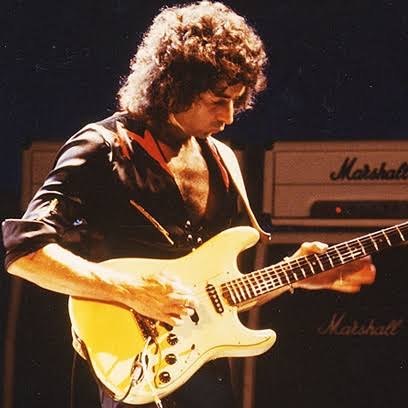
Ritchie Blackmore Plans to Rejoin Deep Purple Onstage Tonight — 33 Years After Walking Away
Thirty-three years after his final departure, Ritchie Blackmore says he plans to step onto a Deep Purple stage again — for one song, one night, and perhaps one final glimpse of a guitar chemistry that helped invent hard rock.

Mark Knopfler at 77: Why Playing the Right Notes Still Won't Make You Sound Like Him
Mark Knopfler turns 77 today, and his playing remains one of the hardest things in rock to imitate. Not because the notes are difficult — because almost none of what makes it sound like him is written down.
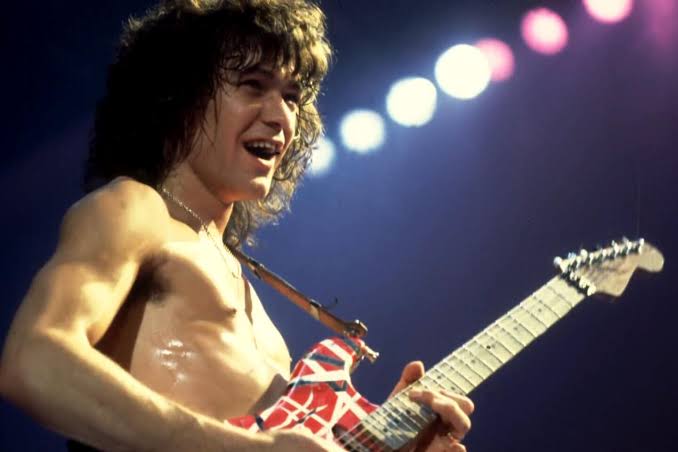
Eddie Van Halen: The Man Who Took the Electric Guitar Apart — and Rebuilt What It Could Be
From an immigrant kid learning piano by ear in Pasadena to the homemade guitar that changed an industry, the impossible sound of "Eruption," 5150, the Brown Sound and a legacy that still defines electric guitar: this is the complete story of Edward Van Halen.