

History of the Riff: Why Whole Lotta Love Changed Rock Forever
More than 50 years after it first blasted out of speakers, the opening riff to Led Zeppelin's Whole Lotta Love remains one of the most recognizable pieces of guitar music ever recorded. Here's why it changed rock forever.
▶ LISTEN WHILE READING
When people talk about the greatest guitar riffs of all time, the conversation usually doesn't last very long before someone brings up Whole Lotta Love. More than 50 years after it first blasted out of speakers, the opening riff remains one of the most recognizable pieces of guitar music ever recorded.
It's simple.
It's aggressive.
It's unforgettable.
And perhaps most importantly, it changed the sound of rock music forever.
A Riff Born From Pure Confidence
Released in 1969 on Led Zeppelin II, Whole Lotta Love arrived at a time when rock music was becoming louder, heavier, and more experimental. While countless songs before it featured memorable guitar parts, this riff felt different. It wasn't just an introduction—it was the identity of the song.
The moment Jimmy Page hits those opening notes, you know exactly what's coming.
There are no unnecessary flourishes or technical gymnastics. Instead, the riff relies on massive attitude, carefully placed spaces, and an almost swaggering sense of timing that makes every note feel huge.
Jimmy Page's Secret Weapon: Simplicity
One of the greatest lessons this riff teaches is that complexity doesn't equal greatness.
Many aspiring guitarists spend years chasing speed and technical ability, but Whole Lotta Love proves that feel can be far more powerful than note count.
The riff breathes.
The pauses matter just as much as the notes themselves.
That combination of space and power creates tension that practically demands listeners turn the volume up.
Get Jimmy Page’s “Whole Lotta Love” Tone
Tell ToneMD what guitar and gear you own and we’ll show you how to get as close as possible using the equipment you already have — full signal chain, real numbered settings, no guesswork.
Included with The Guitar Plugged Premium
It's a masterclass in restraint.
The Sound That Defined an Era
Part of the riff's magic comes from Page's unmistakable tone.
His thick, overdriven sound pushed tube amplifiers into natural saturation without becoming muddy, creating a raw and aggressive character that inspired generations of rock and metal players.
The recording itself feels alive—slightly dangerous, slightly unpredictable, and completely authentic.
Long before digital modeling and endless plugin options, great tone came from loud amps, great players, and fearless performances.
You can hear every ounce of confidence in those opening bars.
X Concepts Strings • Made in USA
Never Run Out of Strings Again.
Join the X Concepts String Club and get fresh USA-made strings delivered every month—plus Premium membership options for the full Guitar Plugged experience.
Why It Still Works Today
Technology has changed.
“A truly great riff doesn't need hundreds of notes. It just needs to make people move.”
Recording techniques have evolved.
Entire genres have come and gone.
Yet Whole Lotta Love still sounds fresh because the riff is built on timeless musical principles:
A memorable rhythmic hook.
Strong repetition.
Dynamic contrast.
Attitude over complexity.
An instantly recognizable sonic identity.
That's the formula behind many of history's greatest riffs, from AC/DC to Black Sabbath to modern hard rock.
The Ripple Effect Across Rock History
It's difficult to overstate the influence this riff had on future generations.
Its DNA can be heard throughout hard rock and heavy metal, inspiring countless guitarists to think bigger, play louder, and trust simple ideas executed perfectly.
Players like Tony Iommi, Angus Young, Slash, and generations beyond all carried forward the philosophy that a truly great riff doesn't need hundreds of notes.
It just needs to make people move.
The Legacy
There are faster riffs.
There are more technically demanding riffs.
There are certainly more complicated riffs.
But few have ever possessed the sheer authority of Whole Lotta Love.
More than half a century later, those opening notes still stop conversations, fill arenas, and inspire new guitar players to pick up an instrument for the very first time.
That's the mark of a legendary riff.
And that's exactly why Whole Lotta Love deserves its place in the history of rock music—not just as a great song, but as one of the defining guitar statements ever recorded.
History of the Riff is an ongoing Guitar Talk series from TheGuitarPlugged exploring the stories behind the riffs that shaped modern music.
- Epiphone Les Paul Standard '60s Electric Guitar$699·Check on Amazon →
- Marshall DSL40CR 40-Watt Tube Combo Amp$899·Check on Amazon →
- MXR M104 Distortion+ Pedal$79·Check on Amazon →
Some links are affiliate links — we may earn a small commission at no cost to you.
Experience-driven coverage, not algorithm bait.
- 20+ years of guitar playing experience
- Real-world retail experience at Guitar Center
- Thousands of hours testing guitars, amps, and pedals
- A community of 50,000+ guitar enthusiasts across platforms
- Partnerships with Fender, DistroKid, TrueFire, Card Chords, and Enya
- Editorial standards published openly — see how we test gear
The Modern Guitar Magazine. Delivered to your inbox.
No spam. No gimmicks. Just great guitar content — stories, tones, iconic solos, and honest gear takes. Every week.
Ask GP
3 free questions a dayStill curious? Ask GP about this story.
Your personal classic-rock and guitar guide — ask anything about Why Whole Lotta Love Changed.
Discussion (0)
Sign in to join the discussion.
Sign in to commentLoading comments…
Discover another guitar story
Swipe through our latest features, breaking news and iconic solos — one story at a time.
Open Swipe →More in Guitar Talk
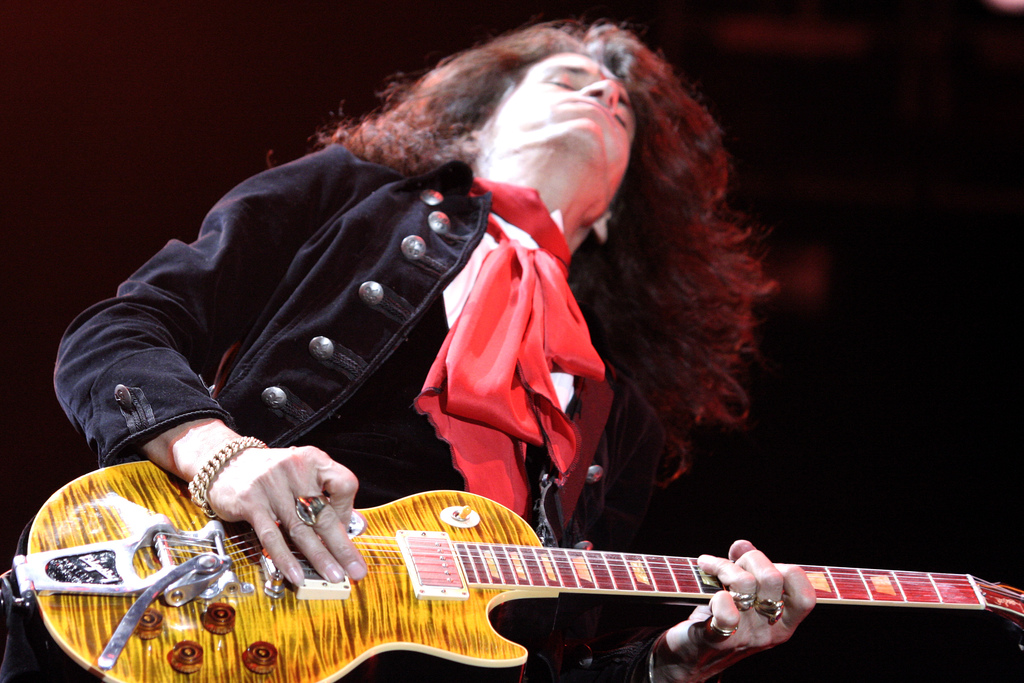
Happy Birthday, Joe Perry: The Riff Machine Who Gave Aerosmith Its Swagger
Joe Perry turns 76 today. From the swampy grind of “Sweet Emotion” to the reunion that saved a band, this is the career of the guitarist who taught American hard rock how to strut.
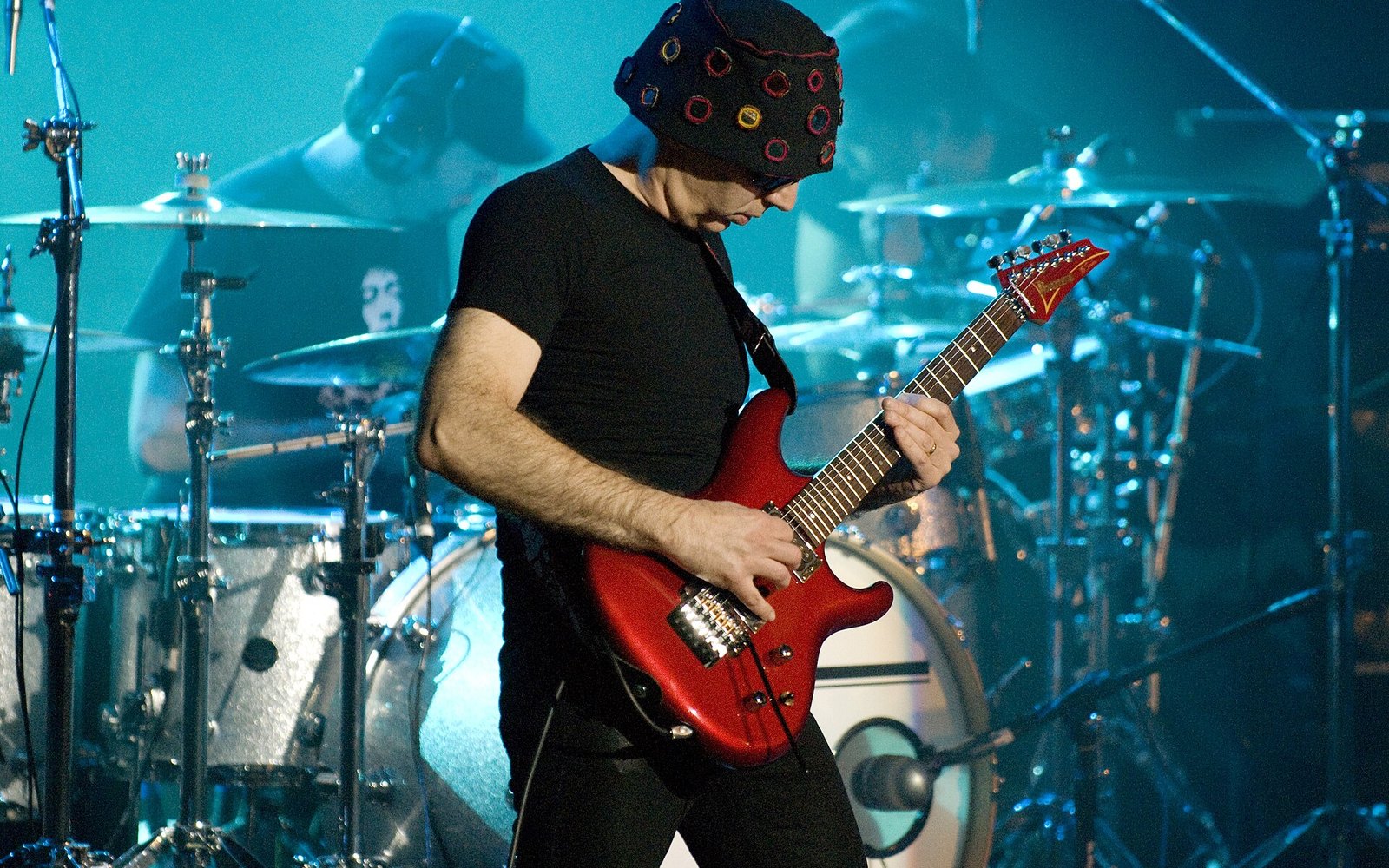
History of the Riff: How Joe Satriani Made “Flying in a Blue Dream” Feel Weightless
An acoustic guitar in an unusual tuning, a stray broadcast and a melody that seems to hang in the air: inside the construction of Satriani’s 1989 masterpiece.
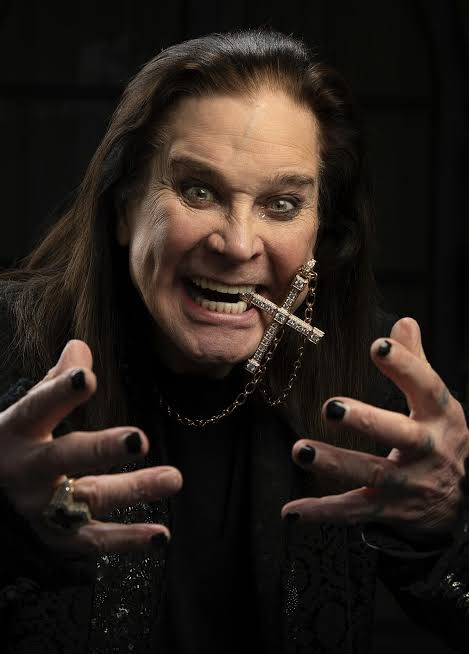
Tony Iommi Opens Up About His Final Conversation With Ozzy Osbourne: “I Still Can't Get It in My Head”
The Black Sabbath guitarist says Ozzy was exhausted after the band's emotional farewell — but determined to give fans one final show.