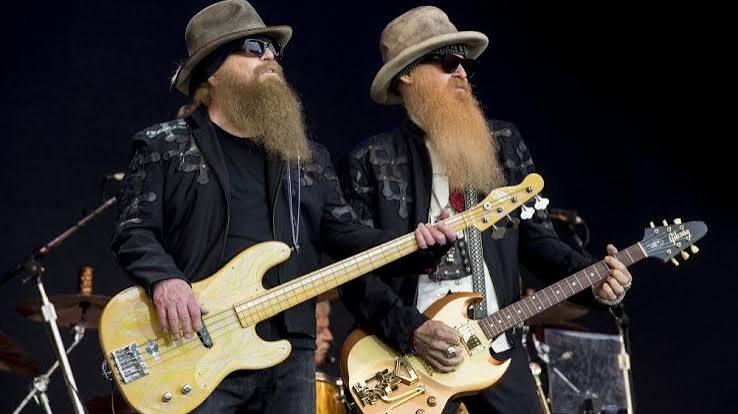
Tone Decoded: Billy Gibbons’ “La Grange” — The Texas Tone That Sounds Dirtier Than It Really Is
No fuzz pedal. No stack of distortion boxes. Just a 1955 Strat, a 1969 Marshall Super Lead, and Billy Gibbons’ hands. Here is how the dirtiest-sounding riff in Texas blues-rock actually works.
ZZ Top’s “La Grange” is one of those riffs that sounds like it was written in the dirt behind a barn. It is dirty, swaggering, and deceptively simple. But the guitar tone on that track is not what most people think it is.
The secret behind Billy Gibbons’ tone on “La Grange” is that it is not a fuzz pedal. It is not a stack of distortion boxes. It is a Marshall Super Lead being pushed hard, and a guitarist who knows exactly how hard to push it.
In this breakdown, we are going to look at the exact rig, the technique, and the surprising settings that made this one of the most recognizable guitar tones in classic rock history.
What to Remember
- ▸Billy Gibbons recorded “La Grange” in 1973 with a 1955 Fender Stratocaster plugged straight into a 1969 Marshall Super Lead.
- ▸The “fuzz” sound is actually Marshall preamp and power-amp distortion stacking, not a fuzz pedal.
- ▸Use moderate gain, forward mids and restrained bass; single-coil dynamics do the rest.
- ▸Gibbons’ pick attack acts as a gain control — dig in for snarl, back off for cleanup.
- ▸You can get close with a Strat-style guitar, a Plexi-style amp, and a clean signal path.
The Gear That Built the Sound
The story starts with a guitar that would become a ZZ Top signature.
Billy Gibbons recorded “La Grange” in 1973 with a 1955 Fender Stratocaster. It was one of the earliest recordings of the Pearly Gates Strat, the instrument that would travel with him for decades. The guitar was loaded with original pickups, and the wiring was simple. Three single coils, five-way switch, volume, tone controls. Nothing exotic.
He plugged that Strat directly into a 1969 Marshall Super Lead 100-watt head running into a 4x12 cabinet loaded with Celestion G12M Greenback speakers. That is the entire signal chain. No pedals. No effects. No studio magic.
It was just an old Strat, a loud Marshall, and a pair of ears that knew how to make the two work together.
Why the Tone Sounds “Fuzzy” Without a Fuzz Pedal
Most listeners hear “La Grange” and assume there is a fuzz pedal somewhere in the chain. There is not. The “fuzz” is actually preamp and power-amp distortion stacking on top of each other.
When you turn a non-master-volume Marshall Super Lead up loud enough, the preamp stage begins to overdrive. Push it harder, and the power tubes start to sag and compress. By the time the volume is sitting in the sweet spot, the two forms of distortion are sitting right on top of each other. That creates a thick, woolly, saturated tone that sounds like fuzz but behaves more like a living, breathing amplifier.
That is the sound of “La Grange.”
The second factor is the Stratocaster itself. Single-coil pickups are brighter and more dynamic than humbuckers. They have less natural compression. That means the guitar cleans up when you play softer and snarls when you dig in. Gibbons used that dynamic range like a gain control. Softer verses get cleaner. Harder choruses get nastier. The dynamics are built into the hands, not the pedalboard.
Why the Tone Sounds Dirty But Still Cuts
Get Billy Gibbons’ “La Grange” Tone
Tell ToneMD what guitar and gear you own and we’ll show you how to get as close as possible using the equipment you already have — full signal chain, real numbered settings, no guesswork.
Included with The Guitar Plugged Premium
One of the things that separates “La Grange” from a generic high-gain sound is that it still cuts through the mix.
The Strat’s single coils provide top-end bite and string definition. The Marshall’s midrange pushes the attack forward. The 4x12 Greenback cabinet adds a loose low-mid bloom that fills space without sounding too tight or modern. Together, they create a tone that sits in the perfect pocket: big enough to sound dangerous, focused enough to hear every note.
The bass is not exaggerated. If you add too much low end, the tone turns to mud. The real low end on “La Grange” comes from Dusty Hill’s bass and Frank Beard’s drums. Gibbons’ guitar sits above that, in the low-mid and midrange territory, where it can push and bark without getting buried.
How to Get This Tone at Home
You do not need a 1955 Strat and a full-stack Marshall to get close to this sound. The underlying recipe is much more portable than the specific gear.
The key is to stop thinking about “gain” and start thinking about “edge.”
Start with a Stratocaster-style guitar with vintage-style single-coil pickups. You want clarity, not horsepower. Set the bridge pickup selected, or bridge and middle for a slightly rounder attack. Keep the tone control fairly high. You want the top end to breathe.
For the amp, choose a non-master-volume or low-gain British-style amp that can be driven hard. A Marshall Super Lead, JTM45, or any boutique Plexi-style clone will get you in the ballpark. If you only have a master-volume amp, set the master high and the preamp gain low. The distortion should come from volume and power-tube saturation, not from a high-gain channel.
The gain knob should be moderate. Not all the way up. The “La Grange” tone is not about creating as much distortion as possible. It is about creating an amp sound that sits right on the edge between control and collapse, then letting the guitarist's hands decide which side it lands on.
“The secret behind Gibbons’ tone is not creating as much distortion as possible. It is creating an amp sound that sits right on the edge between control and collapse, then letting the guitarist's hands decide which side it lands on.”
Set the bass around 4 or 5. Set the mids at 6 or 7. Keep the treble around 6. Presence around 5 or 6. You want a forward, punchy midrange without the top end becoming harsh. If your amp has a resonance or depth control, keep it conservative. Too much low end flattens the punch.
Use a touch of reverb if you must, but Gibbons recorded the track essentially dry. Ambience can be nice in a home room, but the record itself is mostly about the direct sound of the amp. The room sound you hear is the studio room and the microphones, not a splashy reverb effect.
The Technique Behind the Swagger
The tone would be nothing without the way Gibbons attacks the strings.
He uses a hybrid picking style. The pick handles the bass notes and the attack. The fingers pluck certain strings and add ghost notes and muted riffs. That mixed attack is part of why the riff sounds so loose and conversational.
He also uses a lot of string muting and palm muting. The verses of “La Grange” are built around a chugging, muted figure that leaves space between notes. The spaces are as important as the notes. If you fill every gap, the riff loses its slink.
The bends and vibrato are relaxed, not dramatic. Gibbons does not wrench the strings. He lets the amp do the work. Small pitch movements, stable rhythm, and a behind-the-beat feel give the solo its swagger.
A word on pick attack. If you dig in hard, the amp should snarl. If you back off, the amp should clean up. That is how you know the gain staging is right. If the tone sounds the same no matter how hard you pick, the gain is too high.
What to Buy If You Want the Real Sound
If you are serious about getting this tone, you are looking for a few specific things:
A Stratocaster-style guitar with vintage-style single-coil pickups. You do not need to spend $50,000 on a 1955 Strat. Modern Fender Vintera, Player, or American Professional II Stratocasters can get you close. Look for alnico pickups with a clear, woody tone rather than hot or overwound pickups.
A non-master-volume Marshall-style amp or a high-quality clone. The new Marshall Studio Classic or Origin series, a Friedman BE-Mini, or a high-wattage boutique Plexi clone can get you close at a more reasonable volume. Be aware that non-master-volume amps need volume to open up. If you live in an apartment, this is where an attenuator becomes useful.
A good instrument cable. It sounds ridiculous, but a high-quality cable with decent capacitance can actually affect the high-end response of a single-coil guitar. It is worth using something better than the cable that came free with your first practice amp.
The Final Word: Less is More
The biggest lesson from “La Grange” is restraint.
Gibbons did not chase the biggest, nastiest sound he could find. He chose a great guitar, a great amp, and a clean signal path. Then he pushed the amp until it misbehaved just enough to be interesting, and controlled the rest with his hands.
There is no secret pedal. There is no hidden effect. There is only a player who understood that a slightly unruly amp plus a dynamic guitar plus a confident attack equals a tone that sounds larger than life.
If you want to sound like Billy Gibbons on “La Grange,” stop adding things. Start with a clean chain. Turn the amp up. Use your pick attack like a volume knob. Leave space. And let the Marshall do what a Marshall does best.
That is the real Texas tone.
Frequently Asked Questions
- Did Billy Gibbons use a fuzz pedal on “La Grange”?
- No. The fuzz-like sound comes from a 1969 Marshall Super Lead being pushed hard into power-amp distortion, not from a fuzz pedal.
- Can I get the La Grange tone with a humbucker guitar?
- Single-coil pickups are closer to the recorded sound, but a low-output humbucker through a bright, mid-forward amp with moderate gain can get you in the same ballpark.
- What amp setting is most important for the La Grange tone?
- Forward mids and moderate gain. Keep the bass controlled, the treble around 6, and let the amp sit just at the edge of breakup so your picking dynamics control the dirt.
A note on this tone breakdown: The settings and gear recommendations here are an informed interpretation based on widely reported studio history, live footage, and interviews. Every amp and guitar responds differently. Use your ears, adjust for your room, and remember that the player is always more important than the rig.
- Marshall Origin 20C Combo$649.99·Check on Amazon →
- Ernie Ball Instrument Cable 10 ft$18.99·Check on Amazon →
Some links are affiliate links — we may earn a small commission at no cost to you.
Gear for the La Grange Tone
Some links may be affiliate links. We may earn a small commission at no cost to you.
Experience-driven coverage, not algorithm bait.
- 20+ years of guitar playing experience
- Real-world retail experience at Guitar Center
- Thousands of hours testing guitars, amps, and pedals
- A community of 50,000+ guitar enthusiasts across platforms
- Partnerships with Fender, DistroKid, TrueFire, Card Chords, and Enya
- Editorial standards published openly — see how we test gear
The Modern Guitar Magazine. Delivered to your inbox.
No spam. No gimmicks. Just great guitar content — stories, tones, iconic solos, and honest gear takes. Every week.
Ask GP
3 free questionsQuestions about Billy Gibbons’ “La Grange”?
Get a straight answer from The Guitar Plugged's knowledge engine.
Discussion (0)
Sign in to join the discussion.
Sign in to commentLoading comments…
Discover another guitar story
Swipe through our latest features, breaking news and iconic solos — one story at a time.
Open Swipe →More in Tone Decoded
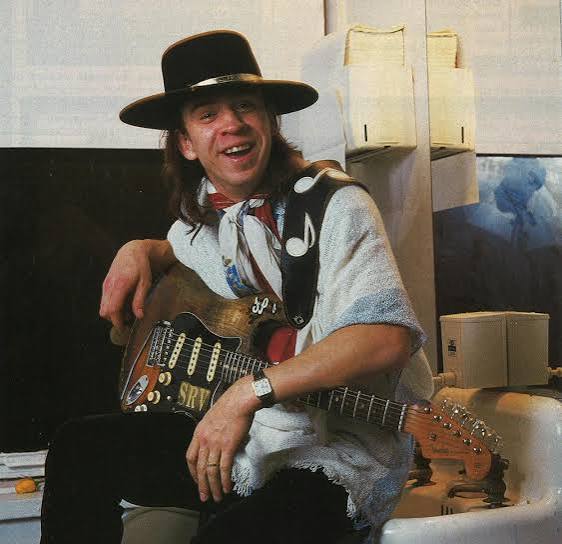
The Infamous Stevie Ray Vaughan Soundcheck
No crowd. No spectacle. Just Stevie Ray Vaughan checking levels at the Syria Mosque in 1986 — and sounding absolutely monstrous. What the footage reveals about tone, touch and the myth of the rig.
The Last 10%: Why You Can Copy a Famous Guitarist’s Entire Rig and Still Miss the Tone
You bought the guitar, the amp, and the pedals — so why doesn’t it sound right? The last 10 percent of guitar tone is the most important part, and it’s almost never about the gear list.
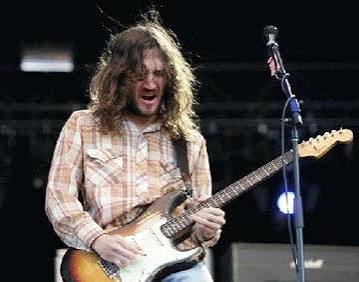
Why John Frusciante's Tone Is Harder to Copy Than You Think
Everyone chases the Strat, the Tube Screamer, the CE-1 chorus. But the real Frusciante sound lives in his hands, his dynamics, and the way he treats pedals like colors — not crutches.