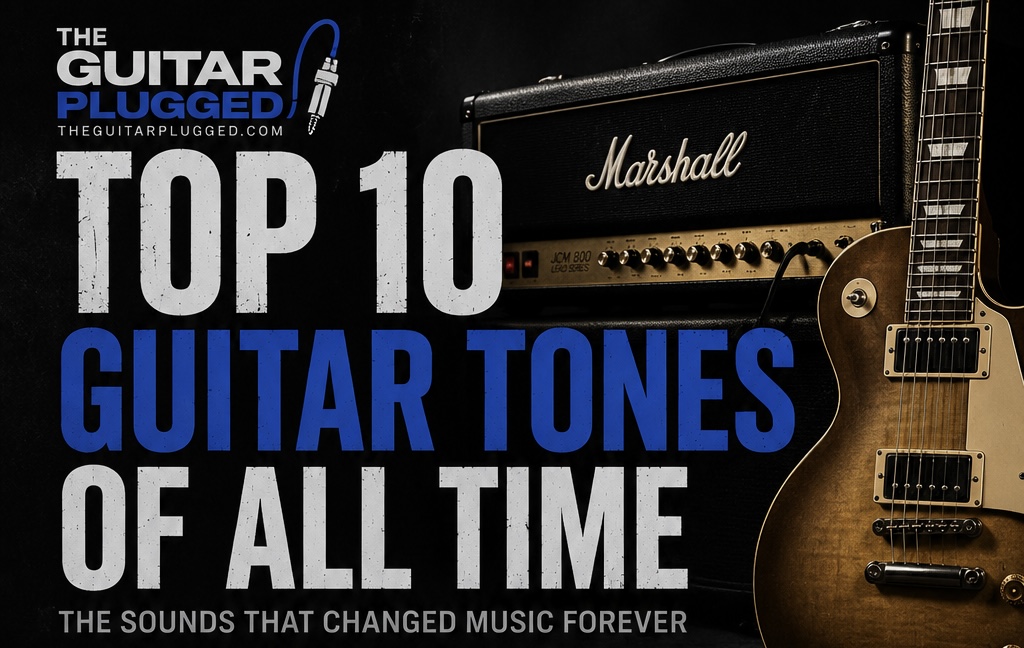
Top 10 Guitar Tones of All Time: The Sounds That Changed Music Forever
From Brian May's orchestra-in-one-guitar to Eddie Van Halen's Brown Sound, these are the ten greatest guitar tones ever captured on tape — and the rigs that made them legendary.
Some guitar tones are good. Some are great. And then there are the tones that change music forever.
They're the sounds that stop you in your tracks — the sounds that make you turn up the stereo, pick up your guitar, and spend the next twenty years trying to figure out how they did it.
A truly legendary guitar tone is more than gear. It's atmosphere. It's emotion. It's identity. You don't need to hear the whole song. One note is enough.
These are the ten greatest guitar tones ever captured on tape — counted down from #10 to #1.
10. Brian May — "Bohemian Rhapsody"
The Orchestra in One Guitar. When Brian May's guitar enters during the final section of "Bohemian Rhapsody," it doesn't sound like a rock guitar. It sounds like an entire orchestra.
Built around his homemade Red Special and a treble booster slamming a wall of Vox AC30s, May created one of the most distinctive sounds in music history. Rich in harmonics and endlessly sustaining, his guitar tone could sing, scream, and soar.
Every harmony line feels carefully painted, each note stacking into a massive sonic landscape. Nobody before him sounded like this. Nobody since has truly replicated it.
Guitar: Brian May Red Special (homemade)
Amplifier: Wall of Vox AC30 combos
Effects: Dallas Rangemaster-style treble booster
Playing Technique: Sixpence coin for a pick, heavy multi-tracked harmonies, neck-pickup melodic phrasing
▶ Hear the tone: Watch "Bohemian Rhapsody" on YouTube · Check Vox AC30 on Amazon · View Used Red Special on Reverb
9. Mark Knopfler — "Sultans of Swing"
The Clean Tone That Could Cut Steel. No distortion. No giant pedalboard. No high-gain wizardry. Just fingers and feeling.
Mark Knopfler's tone on "Sultans of Swing" remains one of the greatest examples of how touch can define sound. His fingerstyle attack produced a tone that was warm and articulate, yet sharp enough to cut through the mix like a knife.
Close your eyes while listening and you can practically see the dimly lit pub where the song takes place. Every note tells a story. Every phrase feels conversational. This is proof that clean guitar can be just as exciting as a wall of distortion.
Guitar: 1961 Fender Stratocaster (neck + middle position)
Amplifier: Fender Vibrolux / Twin combo
Effects: Light compression, subtle reverb
Playing Technique: Fingerstyle attack — no pick, thumb and fingers shape every note
Want to dig deeper? Read our Mark Knopfler tone guide and our "Sultans of Swing" history of the riff.
▶ Hear the tone: Watch "Sultans of Swing" on YouTube · Check Fender Stratocaster on Amazon · View Used Strats on Reverb
8. Randy Rhoads — "Mr. Crowley"
The Sound of Classical Metal. The opening solo of "Mr. Crowley" still sounds magical. Randy Rhoads fused classical phrasing with a fiery Marshall tone that was aggressive yet incredibly refined.
His sound had sustain for days and enough bite to slice through Ozzy Osbourne's thunderous band. Every note seems deliberate. Every phrase feels dramatic. The guitar sings, cries, and then explodes into pure fire. It's one of the defining lead tones in heavy metal history.
Guitar: Gibson Les Paul Custom (cream)
Amplifier: Marshall 1959 Super Lead, cranked
Effects: MXR Distortion+, MXR Stereo Chorus, MXR 10-band EQ
Playing Technique: Classical-influenced phrasing, alternate picking, dramatic vibrato
▶ Hear the tone: Watch "Mr. Crowley" on YouTube · Check MXR Distortion+ on Amazon · View Used Marshall Heads on Reverb
7. Stevie Ray Vaughan — "Texas Flood"
The Sound of a Stratocaster on Fire. The opening bend of "Texas Flood" doesn't just enter the room — it takes over the room.
Want This Tone?
Tell ToneMD what guitar and gear you own and we’ll show you how to get as close as possible using the equipment you already have — full signal chain, real numbered settings, no guesswork.
Included with The Guitar Plugged Premium
Stevie Ray Vaughan somehow managed to make a Fender Stratocaster sound enormous. His tone was clean enough to preserve every ounce of dynamics yet dirty enough to become ferocious the moment he dug into the strings.
When Stevie bends a note, it feels human. You can hear the struggle. The joy. The heartbreak. Few players have ever made six strings sound this alive.
Guitar: "Number One" 1962/63 Fender Stratocaster
Amplifier: Fender Vibroverb + Super Reverb, both cranked
Effects: Ibanez Tube Screamer (TS-808/TS9), Vox wah
Playing Technique: Heavy gauge strings (.013s), ferocious right-hand attack, aggressive bends
More on his rig in our Stevie Ray Vaughan tone guide.
▶ Hear the tone: Watch "Texas Flood" on YouTube · Check Ibanez Tube Screamer on Amazon · View Used SRV Gear on Reverb
6. Jimmy Page — "Whole Lotta Love"
The Sound That Built Hard Rock. The opening riff of "Whole Lotta Love" changed everything. Jimmy Page's guitar sounded dangerous. Raw. Unpredictable.
The amp sounds like it's barely holding together as the riff pounds through the speakers. You can almost feel the heat coming from the tubes.
This was the blueprint for hard rock guitar and one of the first truly gigantic guitar tones ever recorded. Without this sound, rock history looks very different.
Guitar: Gibson Les Paul Standard ("Number One" burst)
Amplifier: Marshall Super Lead 100, with a Supro for studio overdubs
Effects: Sola Sound Tone Bender fuzz, theremin, reverse-tape experiments
Playing Technique: Studio layering, mic placement experiments, swagger over precision
Read the full "Whole Lotta Love" history of the riff for the studio story.
▶ Hear the tone: Watch "Whole Lotta Love" on YouTube · Check Gibson Les Paul on Amazon · View Used Les Pauls on Reverb
5. David Gilmour — "Comfortably Numb"
The Sound of Pure Emotion. Some guitar solos are impressive. This one is unforgettable.
David Gilmour's tone on "Comfortably Numb" is less about distortion and more about atmosphere. The sustain feels endless, while the delay creates a sense of space so massive that the guitar seems to float above the band.
“A truly legendary guitar tone is more than gear. It's atmosphere. It's emotion. It's identity. You don't need to hear the whole song. One note is enough.”
Listening to the final solo feels like standing under the night sky while fireworks explode overhead. Few guitar players have ever said so much with so few notes. This isn't just a tone. It's emotion in sonic form.
Guitar: Black Strat (1969 Fender Stratocaster)
Amplifier: Hiwatt DR-103 heads into WEM 4x12 cabinets
Effects: Big Muff Pi, Electric Mistress flanger, MXR Dyna Comp, analog delay (Binson/MXR)
Playing Technique: Long sustained notes, expressive bends, vocal-like phrasing
For the full breakdown, see our David Gilmour tone guide.
▶ Hear the tone: Watch "Comfortably Numb" on YouTube · Check Big Muff Pi on Amazon · View Used Hiwatts on Reverb
4. Tony Iommi — "Children of the Grave"
The Tone That Invented Heavy Metal. The opening riff of "Children of the Grave" feels like thunder. Dark. Massive. Ominous.
Tony Iommi's tone changed music forever. After a factory accident damaged his fingertips, Iommi tuned down and switched to lighter strings. The result was an accident that became a revolution.
The heavier, darker sound of Black Sabbath became the blueprint for virtually every heavy genre that followed: doom, stoner rock, traditional metal, modern metal — they all begin here. This wasn't simply a great tone. It was the birth of an entire movement.
Guitar: Gibson SG Special ("Monkey")
Amplifier: Laney Supergroup 100W heads
Effects: Dallas Rangemaster treble booster (later: Tycobrahe wah)
Playing Technique: Down-tuning (C# / D), light .008 strings, thumb-and-fingers vibrato
▶ Hear the tone: Watch "Children of the Grave" on YouTube · Check Gibson SG on Amazon · View Used Laney Heads on Reverb
3. Joe Satriani — "Surfing with the Alien"
The Sound of Another World. The opening notes of "Surfing with the Alien" don't sound earthly. They sound futuristic. Like a guitar from another planet.
Joe Satriani's lead tone is smooth and liquid yet somehow incredibly aggressive. Every note jumps from the speakers with perfect clarity. The sustain seems endless. The harmonics scream. The legato lines flow like water.
For an entire generation of guitar players, this wasn't simply a great tone. It was a revelation. It proved that an instrumental guitar could tell stories without a single lyric.
Guitar: Kramer Pacer (during recording) — later Ibanez JS Series
Amplifier: Marshall JCM800 half-stack, with Roland JC-120 for cleans
Effects: Chandler Tube Driver, Boss DS-1, Eventide H949 harmonizer, analog delay
Playing Technique: Fluid legato, two-handed tapping, pinch harmonics, melodic phrasing
Get the full story in our "Surfing with the Alien" history of the riff.
▶ Hear the tone: Watch "Surfing with the Alien" on YouTube · Check Boss DS-1 on Amazon · View Used Ibanez JS on Reverb
2. Jimi Hendrix — "Little Wing"
The Sound of Heaven Opening Up. Some tones cannot be explained. Only experienced. The guitar on "Little Wing" feels almost supernatural. Every chord shimmers. Every note floats.
The combination of a Stratocaster, Marshall stacks, and Hendrix's incredible touch created a sound that remains one of the most beautiful in the history of the instrument.
Listening to this song feels like sunlight breaking through storm clouds. It is delicate. Powerful. Timeless. And utterly magical.
Guitar: Fender Stratocaster (flipped for left-handed play)
Amplifier: Marshall Super Lead 100W full stacks
Effects: Univibe, Fuzz Face, Vox wah, Octavia
Playing Technique: Thumb-over chord voicings, hammer-on embellishments, feel-driven phrasing
▶ Hear the tone: Watch "Little Wing" on YouTube · Check Dunlop Fuzz Face on Amazon · View Used Hendrix Gear on Reverb
1. Eddie Van Halen — "Panama" and "Unchained"
The Brown Sound. There are legendary guitar tones. And then there is the Brown Sound.
The opening chords of "Unchained" hit like a wrecking ball — thick, chewy, aggressive, and somehow still warm and inviting. Play "Panama" through a loud amp and you can practically feel the speakers moving air against your chest.
The harmonics leap from the strings. The palm-muted notes punch like a kick drum. The sustain seems endless. Thousands of players have spent decades chasing this sound. Nobody has truly captured it. Because the secret ingredient wasn't the guitar, or the amp, or the effects. The secret ingredient was Eddie Van Halen.
The Brown Sound somehow manages to be huge without becoming muddy, saturated without losing clarity, and aggressive while still feeling joyful. No other guitar tone has inspired more players, sold more gear, or launched more lifelong obsessions.
This is the greatest guitar tone ever recorded.
Guitar: Frankenstrat (homemade — Boogie body, Strat neck, PAF in the bridge)
Amplifier: 1968 Marshall Super Lead 100, run through a Variac at ~89V
Effects: MXR Phase 90, MXR Flanger, Echoplex EP-3 (used as a preamp boost as much as for delay)
Playing Technique: Two-handed tapping, dive bombs, the legendary vibrato that nobody can copy
Want the full deep dive? Read our Eddie Van Halen ultimate guide.
▶ Hear the tone: Watch "Panama" on YouTube · Watch "Unchained" on YouTube · Check MXR Phase 90 on Amazon · View Used EVH Gear on Reverb
Final Thoughts
Great guitar tones don't simply fill speakers. They fill memories.
You remember where you were when you first heard them. You remember how they made you feel. And sometimes, if you're lucky, they inspire you to pick up a guitar and begin chasing your own sound.
Because every great guitarist starts in the same place: hearing one note… and never being quite the same again.
What to Remember
- ▸Legendary tone is more than gear — it's identity, attack, and intention.
- ▸Brian May, Knopfler, and Hendrix prove that touch shapes tone as much as any amp.
- ▸Iommi's accident-born downtuning literally invented heavy metal.
- ▸Eddie Van Halen's Brown Sound remains the most-chased and least-copied tone in rock history.
- ▸You can buy the same guitar, amp, and pedals — but the sound only comes alive in your hands.
Frequently Asked Questions
- What is the greatest guitar tone of all time?
- We rank Eddie Van Halen's Brown Sound — heard on "Panama" and "Unchained" — as the greatest guitar tone ever recorded. It's thick, articulate, saturated, and joyful all at once, and decades of players have tried (and failed) to fully replicate it.
- What gear did Eddie Van Halen use for the Brown Sound?
- A homemade Frankenstrat (Boogie body, Strat neck, single PAF humbucker in the bridge) into a 1968 Marshall Super Lead 100 run through a Variac at about 89V, with an MXR Phase 90, MXR Flanger, and an Echoplex EP-3 used as both a preamp boost and a slap delay.
- Why does Mark Knopfler's clean tone sound so unique?
- Knopfler plays fingerstyle — no pick. His thumb-and-fingers attack on a Strat's neck/middle pickup combo, into a clean Fender combo with light compression, produces a tone that's warm, percussive, and hyper-articulate.
- Can I get David Gilmour's "Comfortably Numb" tone at home?
- You can get close with a Stratocaster, a Big Muff (or Big Muff-style fuzz), a compressor, an analog-voiced delay, and a clean amp pushed loud enough to bloom. The hard part isn't the gear — it's Gilmour's slow, vocal-like phrasing and patience between notes.
- What amplifier did Tony Iommi use to invent heavy metal tone?
- Laney Supergroup 100W heads — typically pushed by a treble booster — paired with a Gibson SG tuned down to C# or D and strung with light .008 strings to make bending easier after his finger injury.
Chase the Legendary Tones
Some links may be affiliate links. We may earn a small commission at no cost to you.
Experience-driven coverage, not algorithm bait.
- 20+ years of guitar playing experience
- Real-world retail experience at Guitar Center
- Thousands of hours testing guitars, amps, and pedals
- A community of 50,000+ guitar enthusiasts across platforms
- Partnerships with Fender, DistroKid, TrueFire, Card Chords, and Enya
- Editorial standards published openly — see how we test gear
Love legendary guitar tones?
Subscribe to The Guitar Plugged for more deep dives into iconic sounds, gear histories, and the stories behind the greatest guitar players ever to plug into an amp.
Discussion (0)
Sign in to join the discussion.
Sign in to commentLoading comments…
Discover another guitar story
Swipe through our latest features, breaking news and iconic solos — one story at a time.
Open Swipe →More in Tone Decoded
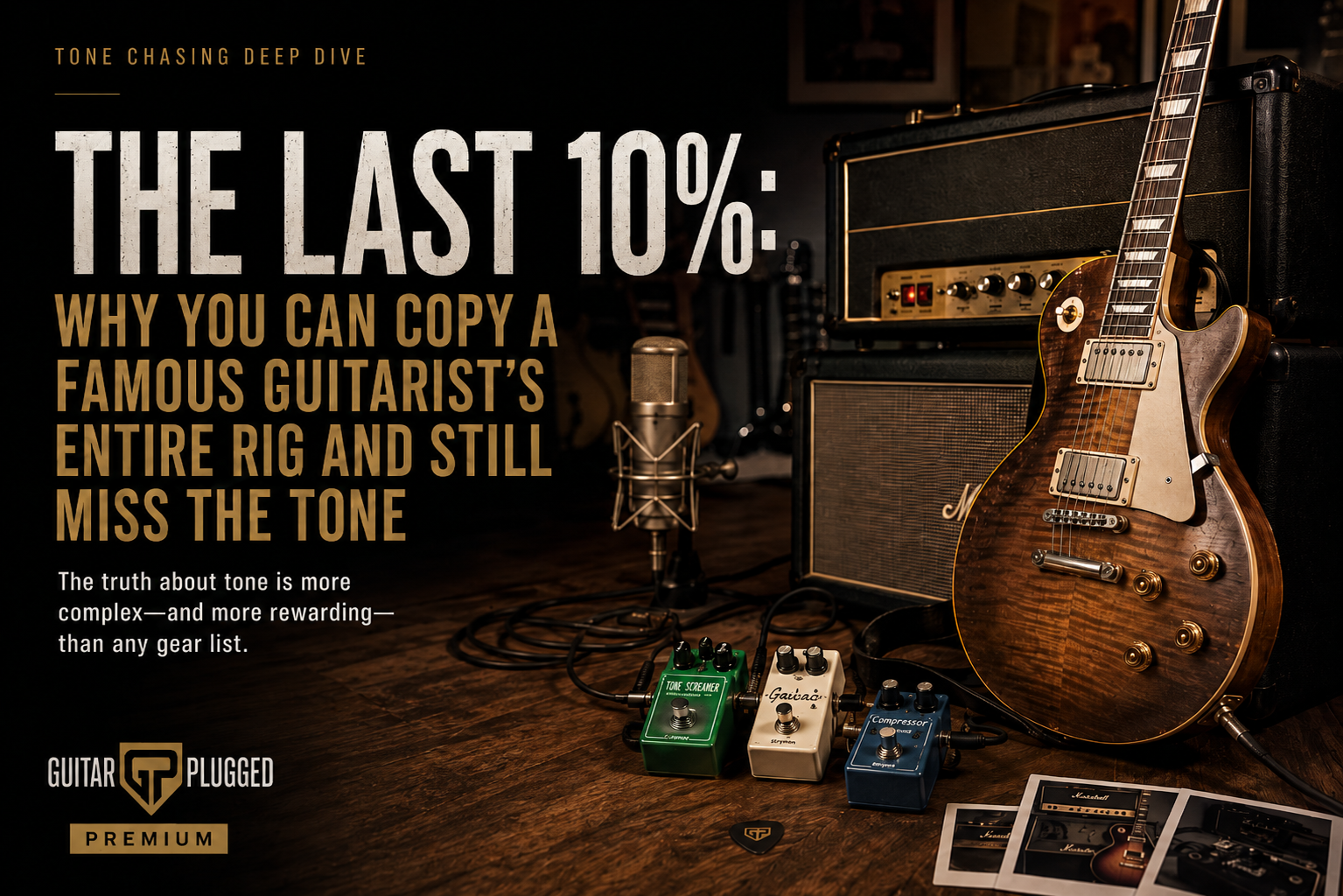
The Last 10%: Why You Can Copy a Famous Guitarist’s Entire Rig and Still Miss the Tone
You bought the guitar, the amp, and the pedals — so why doesn’t it sound right? The last 10 percent of guitar tone is the most important part, and it’s almost never about the gear list.
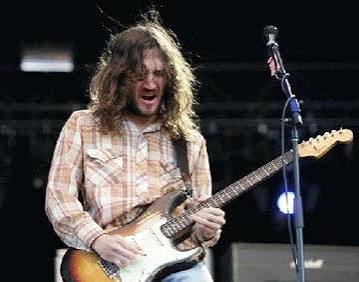
Why John Frusciante's Tone Is Harder to Copy Than You Think
Everyone chases the Strat, the Tube Screamer, the CE-1 chorus. But the real Frusciante sound lives in his hands, his dynamics, and the way he treats pedals like colors — not crutches.
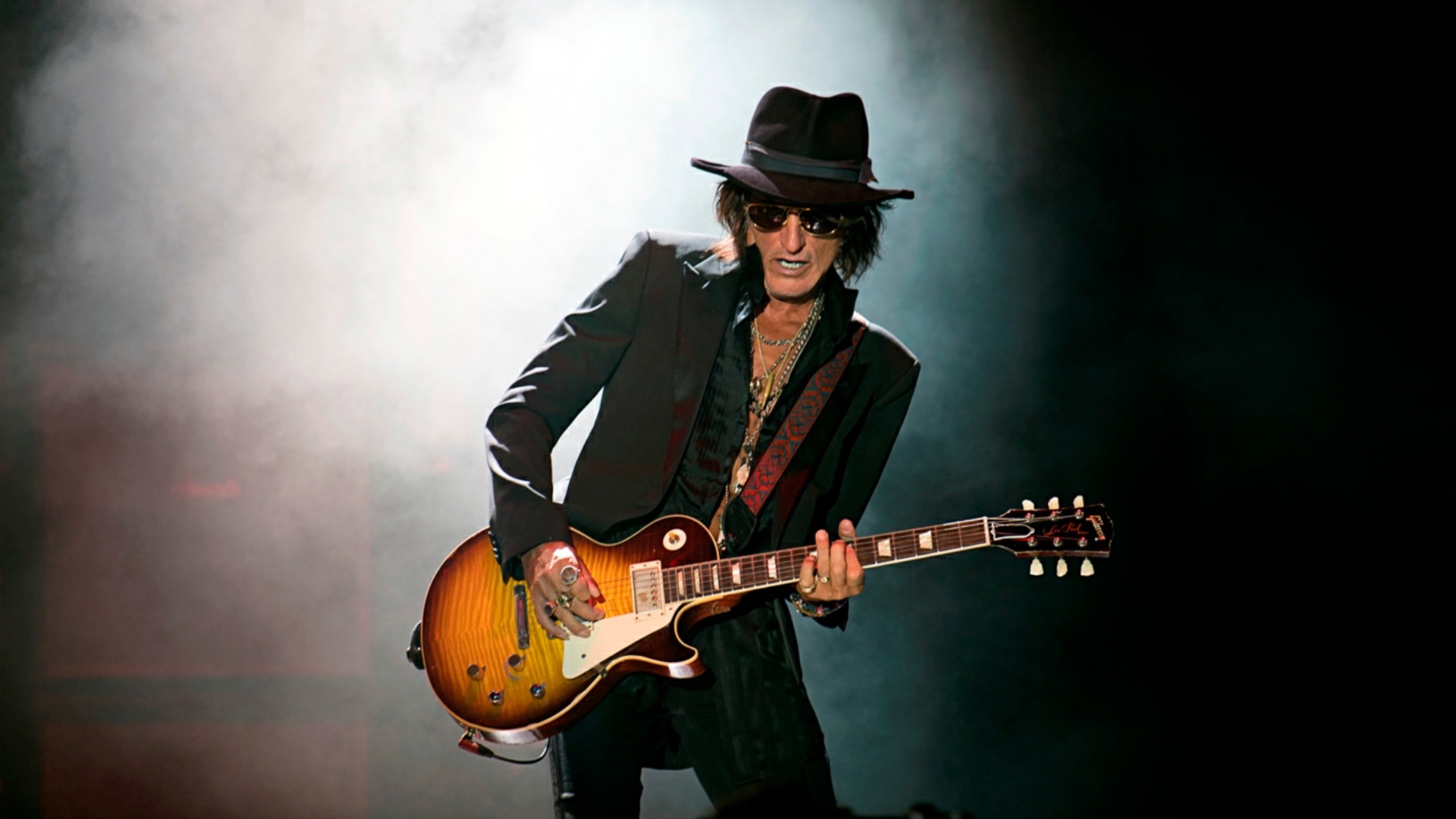
Joe Perry's Guitar Tone Decoded: The Secret Sauce Behind Aerosmith's Legendary Sound
Inside Joe Perry's iconic tone — the vintage Les Pauls, cranked Marshalls, key pedals, and playing techniques that define Aerosmith's sound.