

Tone Decoded: How John Petrucci Built One of the Greatest Modern Metal Tones Ever
Crushing heaviness, crystal-clear articulation, and violin-like sustain — without muddy chaos. We break down the amps, effects, and signature gear behind John Petrucci's surgical Dream Theater tone.
When guitar players talk about "perfect" modern progressive metal tone, John Petrucci is almost always part of the conversation.
His sound with Dream Theater combines crushing heaviness, crystal-clear articulation, and violin-like sustain — all without turning into muddy chaos.
That balance is incredibly difficult to achieve.
The Core of the Petrucci Sound
Petrucci's tone is built around tight low end, smooth high gain, massive sustain, precise picking clarity, and studio-level effects control.
Even during insanely fast alternate picking runs, every note remains defined. That's what separates his tone from typical metal distortion.
The Amps Behind the Tone
Over the years, Petrucci has used several legendary amp setups including the Mesa/Boogie Mark IIC+, the JP-2C signature, Dual and Triple Rectifiers, and the Mark V.
The Mark series became a huge part of his signature sound because they deliver aggressive mids and tight attack without losing clarity. Unlike scooped metal tones, Petrucci keeps a healthy amount of mids in the mix — which is exactly why his rhythm parts cut through dense prog arrangements.
The Effects That Make It Sound Huge
Get John Petrucci’s “Under a Glass Moon” Tone
Tell ToneMD what guitar and gear you own and we’ll show you how to get as close as possible using the equipment you already have — full signal chain, real numbered settings, no guesswork.
Included with The Guitar Plugged Premium
Petrucci's effects are incredibly important to his overall sound. His setup often includes delay, chorus, reverb, compression, wah, and a noise gate.
He frequently uses subtle stereo delays to make lead tones feel wider and more cinematic without overpowering the notes. One of the biggest secrets to his tone is restraint — the effects enhance the sound instead of drowning it.
The IIC+ Obsession
It's worth pausing on the Mark IIC+, because the whole Petrucci sound descends from it. The IIC+ is a famously mid-forward, tightly focused amp with a cascading gain structure that saturates without smearing the note envelope — the opposite design philosophy to the scooped, bass-heavy rectifier tones that dominated '90s metal. Petrucci built so much of his recorded rhythm sound on that voicing that Mesa eventually produced the JP-2C, a signature head derived from it with the noise gating and channel switching a modern touring rig needs.

X Concepts Strings • Made in USA
Never Run Out of Strings Again.
Join the X Concepts String Club and get fresh USA-made strings delivered every month—plus Premium membership options for the full Guitar Plugged experience.
The takeaway for anyone chasing this tone is counterintuitive: you want fewer lows and more mids than feels comfortable in the room. A rhythm tone that sounds slightly thin on its own is usually the one that survives keyboards, bass, and double-kick underneath it.
Technique Is Half the Tone
“Even during insanely fast alternate picking runs, every note remains defined — that's what separates his tone from typical metal distortion.”
No amp gets you Petrucci's clarity if the picking hand isn't organized. His alternate picking is heavily anchored in strict wrist motion with the pick attacking at a consistent angle, which is why fast lines stay even in volume across strings. The other half is muting — the left hand damping everything not currently sounding, the right palm parked at the bridge on the low strings.
That's also why his clean and legato passages read so clearly. Dream Theater arrangements move constantly between crushing rhythm, arpeggiated cleans, and unison lines with keyboards, and none of it works if the guitar bleeds. Petrucci's instructional work has always emphasized this: efficiency of motion first, speed as a byproduct.
His Signature Gear
Petrucci's signature Ernie Ball Music Man guitars are designed for precision and comfort. Most feature high-output humbuckers, fast neck profiles, floating tremolos, and excellent upper fret access.
Combined with his extremely controlled picking technique, the guitars help create that surgical accuracy fans know him for.
The DiMarzio partnership matters here too. His signature pickup sets — the Crunch Lab and LiquiFire pairing, later the Illuminator and Rainmaker designs — were voiced specifically to keep low strings tight under high gain while giving the neck position a smooth, singing lead voice. That split personality, aggressive bridge and vocal neck, is a core part of the sound and one of the easiest elements to replicate on a non-signature guitar.
Budget Rig to Get Close
You can get surprisingly close to the Petrucci vibe without spending thousands: a Sterling by Music Man JP model, a Mesa-style amp simulator or plugin, a delay pedal with clean digital repeats, a noise gate, and moderate compression.
Focus on tight muting and clean picking more than extreme gain settings. Too much distortion actually hurts this style of tone.
Practical settings to start from: gain at around two-thirds, mids well above noon, bass conservative, presence dialed so pick attack is audible but not fizzy. Add a short slapback or a quarter-note delay at low mix for leads, keep reverb subtle, and gate just enough to kill hiss between phrases without clipping note tails.
Beyond Dream Theater
His solo records and the Liquid Tension Experiment reunions show the same tonal fingerprint applied in looser contexts — more improvisation, more room in the arrangements, and a lot more clean and mid-gain playing than the band's studio albums allow. They're arguably the better listening for guitarists studying his phrasing rather than his rhythm chops.
Why Petrucci's Tone Still Dominates Modern Prog
John Petrucci helped define what modern progressive metal guitar should sound like: heavy but intelligent, technical but musical.
Even today, countless prog players are still chasing that balance — usually by buying the gear first and discovering, several months later, that the clarity was never in the amp.
- Mesa/Boogie Mark V:35 Tube Head$2,199·Check on Amazon →
- Sterling by Music Man JP60 (Budget Pick)$649·Check on Amazon →
- TC Electronic Flashback 2 Delay$169·Check on Amazon →
Some links are affiliate links — we may earn a small commission at no cost to you.
Experience-driven coverage, not algorithm bait.
- 20+ years of guitar playing experience
- Real-world retail experience at Guitar Center
- Thousands of hours testing guitars, amps, and pedals
- A community of 50,000+ guitar enthusiasts across platforms
- Partnerships with Fender, DistroKid, TrueFire, Card Chords, and Enya
- Editorial standards published openly — see how we test gear
The Modern Guitar Magazine. Delivered to your inbox.
No spam. No gimmicks. Just great guitar content — stories, tones, iconic solos, and honest gear takes. Every week.
Ask GP
3 free questions a dayStill curious? Ask GP about this story.
Your personal classic-rock and guitar guide — ask anything about How John Petrucci Built One.
Discussion (0)
Sign in to join the discussion.
Sign in to commentLoading comments…
Discover another guitar story
Swipe through our latest features, breaking news and iconic solos — one story at a time.
Open Swipe →More in Tone Decoded

Dimebag Darrell Didn't Just Make Metal Heavier—He Made It Swing
Inside the fearless Texas guitar language, brutal-but-musical tone, and melodic instinct that made Dimebag Darrell impossible to imitate — and impossible to replace.
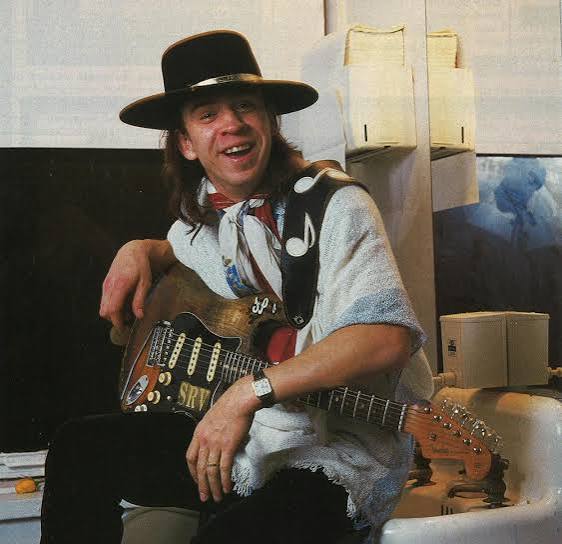
The Infamous Stevie Ray Vaughan Soundcheck
No crowd. No spectacle. Just Stevie Ray Vaughan checking levels at the Syria Mosque in 1986 — and sounding absolutely monstrous. What the footage reveals about tone, touch and the myth of the rig.

The Last 10%: Why You Can Copy a Famous Guitarist’s Entire Rig and Still Miss the Tone
You bought the guitar, the amp, and the pedals — so why doesn’t it sound right? The last 10 percent of guitar tone is the most important part, and it’s almost never about the gear list.